REVIEW · GOREME
Biblical Mysteries of Cappadocia Tour
Book on Viator →Operated by Cappadocia Integrity Travel · Bookable on Viator
One of Cappadocia’s most human stories is underground. This 5–6 hour route strings together early Christian churches, Roman layers, and Ottoman-era village life, so you’re not just looking at rocks—you’re seeing how people lived. I really liked the stop-by-stop pacing and the way guide Iram made the past feel clear, not like a jumble of facts. I also love that so much of the day is practical: air-conditioned transport, bottled water, and multiple sites where admission is free or included.
If you’re expecting one single big museum highlight, this may feel a bit “collecting moments” instead. Also, the tour works best with good weather, since several stops involve walking around caves and valleys.
In This Review
- Key moments that make this tour work
- A 5–6 Hour Loop From Göreme: What the Day Feels Like
- Price and Value at $192.66: What You’re Getting for the Money
- Mustafapaşa (Synasos): A Village With Ottoman-Era Two-Way Stories
- Keşlik Monastery: Cave Churches, 2,000 Years of Use, and Wall Paintings
- Sobesos Ancient City: Roman Mosaics From a Site Discovered in 2002
- Soğanlı Valley: 10th-Century Cave Churches, Frescoes, and Pigeon Houses
- Lunch Break in Soğanlı: Plan for a Real Pause, Not Just a Stop
- Ortahisar Craft Stops: Carpet Weaving and Leather Work With a Modern Twist
- Tips for Getting the Most Out of Each Stop
- Who This Tour Fits Best (and Who Might Skip It)
- Should You Book This One?
- FAQ
- What does the tour include?
- Is hotel pickup included?
- How long is the tour?
- What language is the tour in?
- Are entrance fees included?
- Is lunch included?
- Is the tour private?
- What’s the physical requirement?
- What if the tour is canceled due to weather or low demand?
- How far in advance should I book?
Key moments that make this tour work
- Mustafapaşa (Synasos) village feel with Ottoman-era architecture and an old Greek Church visit
- Keşlik Monastery cave complex with St. Michael and St. Stephen churches plus wall paintings
- Sobesos Ancient City mosaics from a Roman site discovered in 2002
- Soğanlı Valley cave churches and frescoes plus Roman-era tombs and pigeon houses
- Ortahisar crafts in real workshops—carpet weaving and leather with a short fashion show
A 5–6 Hour Loop From Göreme: What the Day Feels Like
This is set up as a focused half-day outing, usually around 5 to 6 hours. You’ll be picked up from your hotel about 10 minutes before the start time, then you ride in an air-conditioned vehicle between stops. That matters in Cappadocia, because the driving adds time, and the heat can sneak up on you.
The route is built around several cultural layers in one sweep: a village with Greek-heritage architecture, then cave monasteries, then Roman mosaics, then a valley full of rock-cut churches. It’s a clever way to understand Cappadocia as a place where different eras reused the same spaces—churches after graves, villages beside monuments, and faith tied to stone.
You should also expect a moderate walking level. The good news is that each stop is relatively short, so you’re not trapped in one long queue or one endless ruin.
If you're still narrowing it down, here are other tours in Goreme we've reviewed.


Price and Value at $192.66: What You’re Getting for the Money
At about $192.66 per person, the value comes from what’s included and how much time you actually spend at sites. Your tour includes an air-conditioned vehicle, the licensed professional guide fee, bottled water, and the guide’s services. You also get a mobile ticket, which keeps things simple.
Entrance fees are handled in a mixed way: some stops list admission as free, while others include admission in the tour. In plain terms, you’re not paying at every single stop, and two of the bigger site visits come with admission included. You still need to budget for lunch since it’s not included, and the tour notes that not all entrance fees are covered.
If you like guided context—what you’re seeing and why it mattered—you’re likely to feel this price makes sense. If you’re the type who just wants to wander alone with a guidebook, the value drops, because the real payoff here is interpretation.
Mustafapaşa (Synasos): A Village With Ottoman-Era Two-Way Stories
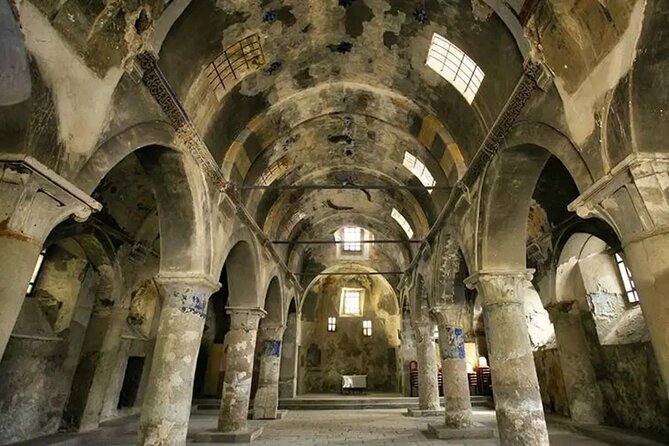
The first stop is Mustafapaşa, also known historically as Synasos. This isn’t just a scenic village stop. It’s framed as a place from the Ottoman period before the Turkish War of Independence, when Turks and Greeks lived side by side in the region. That context changes how you look at the architecture.
You’ll spend about 50 minutes exploring the village atmosphere and its distinctive buildings. The highlight is a visit to an old Greek Church, which gives you a concrete way to connect the stonework around you with the people who used it. This is one of those visits where the guide’s storytelling helps you see patterns—how communities left their mark in design and religious space.
Admission here is listed as free, so you’re not juggling extra costs right at the beginning. Practical tip: wear comfortable shoes. Even if the walk doesn’t feel extreme, village cobblestones and uneven surfaces add up after a few stops.
Keşlik Monastery: Cave Churches, 2,000 Years of Use, and Wall Paintings
Next you’ll head to Keşlik Monastery outside Ürgüp. This is a cave monastery complex with two named churches: St. Michael and St. Stephen, plus cave rooms. The sheer idea that the site functioned as a monastic space in the caves makes this stop feel like Cappadocia’s stone is doing the talking.
You’ll get about 45 minutes here, moving through the monastery area and taking in the wall paintings. The site is described as having been used across 2,000 years, and it also served as a gravesite in pre-Christian Roman times. That Roman-to-Christian layering is the point. You’re seeing how one place kept getting repurposed as people changed.
Admission is listed as free, which is a nice bonus because the site itself is major. Consider this one of the stops where your best photos will be mid-visit, when your eyes adjust to the cave lighting. And yes, it can feel cooler inside the caves, which is a pleasant break from the outside sun.
Sobesos Ancient City: Roman Mosaics From a Site Discovered in 2002
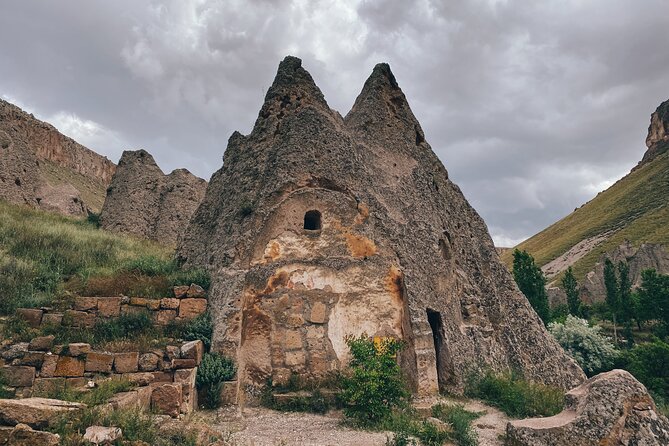
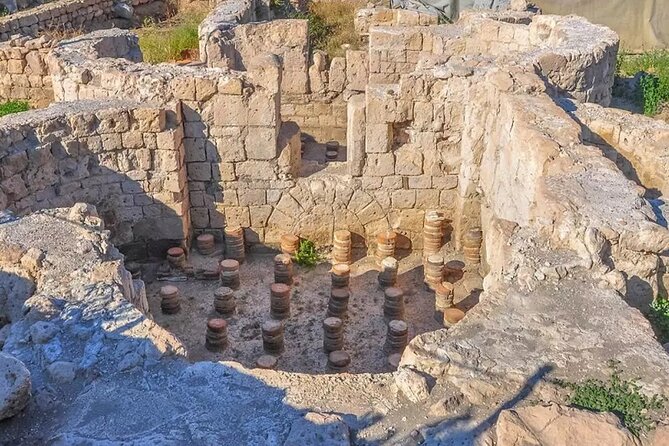
After that, you’ll visit Sobesos Ancient City, located at Sahinefendi Village in Cappadocia. This is the kind of stop that resets your expectations. Instead of a broad ruin field, you’re going for specific Roman remains—especially mosaics.
Sobesos was discovered by treasure hunters in 2002, and it’s described as the only unique Roman ancient city in Cappadocia where you can discover amazing mosaics. You’ll have about 40 minutes to observe the site and the mosaic work, with information provided on the region.
Admission for this stop is listed as included, so it’s another place where the tour’s value feels tangible. Practical note: mosaics can be tricky to see clearly depending on light and viewing angles. Pay attention to what your guide points out. Mosaics are like puzzles—small details matter, and the interpretation is half the fun.
Soğanlı Valley: 10th-Century Cave Churches, Frescoes, and Pigeon Houses
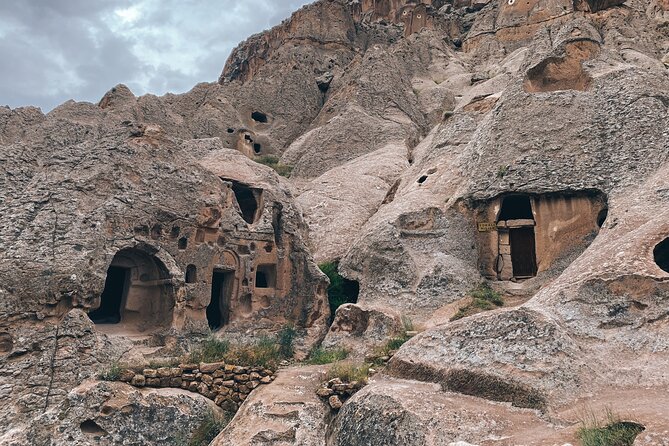
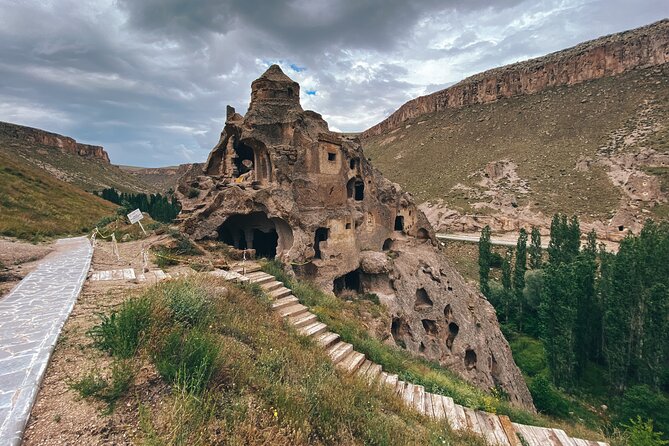
If one stop defines the “mysteries” mood of this tour, it’s Soğanlı Valley. You’ll have 1 hour 15 minutes here to explore the churches and monastery spaces carved into the rock.
Soğanlı is described as a valley about 40 kilometers southeast of Nevşehir, filled with monasteries and churches from the 10th century. The valley is also called an ancient rock-cut village with over 20 churches, and the cliffs include Roman-era tombs and hundreds of pigeon houses.
That pigeon-house detail matters more than it sounds. It signals that these valleys weren’t only religious spaces—they were lived-in, farmed, and maintained. When you see pigeon houses tied to cave communities, you start to understand how people used the same stone over and over.
You’ll discover different cave churches and observe frescoes during this visit. Admission is listed as included here too. The frescoes are often easier to appreciate when you know what to look for—so let the guide do the first interpretation, then re-look on your own.
Lunch Break in Soğanlı: Plan for a Real Pause, Not Just a Stop
You’ll also get a 1-hour lunch break in Soğanlı Valley. Lunch itself is not included, so you’ll either grab food on your own or use whatever options are available during that break.
This break is useful because it turns a long day of cave interiors into a more balanced outing. If you tend to get lightheaded in enclosed spaces, this open-time outside helps you reset. Bring water if you want extra beyond what’s included, especially in warm months.
Ortahisar Craft Stops: Carpet Weaving and Leather Work With a Modern Twist
The day ends with a cultural pair in Ortahisar: carpet weaving and leather craftsmanship. Each stop is about 40 minutes total, and the tour frames them as living traditions tied to Cappadocia’s everyday economy.
First, you’ll visit a carpet weaving cooperative where you can watch traditional hand-weaving. The practice is described as rooted along routes associated with the ancient Silk Road, and the cooperative highlights that women continue hand-weaving using techniques passed down through generations. For me, the value here isn’t just seeing a finished carpet—it’s hearing how craft skills stay alive through routine work and training.
Then you’ll visit a leather processing workshop. You’ll explore the leather factory and even enjoy a short fashion show featuring locally produced leather goods. It’s a “now” moment after centuries of stone history. You walk away seeing how Cappadocia turns raw materials and heritage into current products.
Admission for these craft stops is listed as free, which also helps keep the day from turning into constant ticket payments.
Tips for Getting the Most Out of Each Stop
A tour like this moves fast enough that you’ll get more out of it if you prepare a little. Here are the habits that tend to pay off:
- Bring comfortable shoes. Cobblestones, uneven ground, and cave stairs are the real challenge, not the duration.
- Expect changing light. Cave churches and frescoes won’t look the same outside, so give your eyes a moment before judging what you see.
- Ask one question early. The first stop is the best time to learn how your guide is connecting the sites to the broader story, then you’ll see that logic in later stops.
- Keep your camera ready but don’t rush. Frescoes and mosaics often reward patience more than speed.
Also, the tour is offered in English, which helps if you want clear explanations instead of translating on your own in your head.
Who This Tour Fits Best (and Who Might Skip It)
This tour is a strong fit if you like a guided route that mixes faith sites, Roman-era remains, and real village culture—all without needing a full day. It also works well if you want a single day to cover multiple Cappadocia themes: early Christianity, Ottoman-era coexistence narratives, and the crafts that still shape local life.
I think it’s especially good for couples, small groups, and curious first-timers who want structure. The tour notes it’s a private tour/activity, with only your group participating, which usually means your guide can set a smoother pace and handle questions without a huge crowd squeeze.
If you’re already deep into Cappadocia research and want maximum free time at one site for detailed self-exploration, you might prefer a more flexible format. This route is tight by design.
Should You Book This One?
My take: book it if you want a guided storyline across Cappadocia’s Christian cave sites and Roman artistry, plus a hands-on look at today’s carpet and leather workshops. The price looks fair when you consider the licensed guide, transport, bottled water, the mobile ticket convenience, and the fact that multiple key visits have free or included admission.
I’d hesitate if you’re traveling with someone who hates walking on uneven surfaces or needs long stretches of downtime. Also, since the tour requires good weather, keep an eye on forecasts so you’re not disappointed if it gets rescheduled.
If you do book, lean on the guide—especially Iram’s patient, friendly approach—to turn stone and frescoes into a story you can actually repeat later.
FAQ
What does the tour include?
The tour includes an air-conditioned vehicle, the licensed professional guide fee, bottled water, and the guide fee.
Is hotel pickup included?
Yes. Pickup is offered from your hotel about 10 minutes before the tour starts.
How long is the tour?
It runs about 5 to 6 hours.
What language is the tour in?
The tour is offered in English.
Are entrance fees included?
Some sites list admission as free, and some list admission as included. Lunch and any entrance fees not marked as included are not covered.
Is lunch included?
No. Lunch is not included, though there is a lunch break during the tour.
Is the tour private?
Yes. It’s described as a private tour/activity, with only your group participating.
What’s the physical requirement?
You should have a moderate physical fitness level.
What if the tour is canceled due to weather or low demand?
The experience requires good weather. If it’s canceled for poor weather, you’ll be offered a different date or a full refund. If the minimum number of travelers isn’t met, you’ll also be offered a different date or a full refund.
How far in advance should I book?
On average, it’s booked about 8 days in advance. Confirmation is received at the time of booking.