REVIEW · GOREME
Cappadocia Cooking Class
Book on Viator →Operated by AND Travel Consulting · Bookable on Viator
Cooking in Cappadocia feels like visiting friends. I love the free hotel pickup and drop-off, and I love that you cook a real multi-course Turkish meal with local help instead of watching from the sidelines. The possible drawback is that the hands-on level can vary by host, so ask what part you’ll do yourself if that matters to you.
You can choose a morning lunch class or an afternoon dinner class, and either way you’re paired with an English-speaking local interpreter plus a host family who shares stories as you cook. The cooking setup is intimate and small (max 6 travelers), which makes it easier to chat—just note you may see some ingredients prepared ahead, depending on the household and menu flow.
In This Review
- Key Highlights That Matter for Your Day
- Free Pickup and the Lunch vs Dinner Choice (10 AM or 4 PM)
- Urgup Market Time: Why the Shopping Stop Is More Than a Warm-Up
- Arriving at the Host House: What a Local Home Adds
- The Cooking Flow: From Prep to Serving a Full Multi-Course Meal
- Your Sample Menu: What You’ll Eat and Learn
- Starters (You’ll see multiple)
- Mains (Hearty and classic)
- Dessert (Cappadocia style)
- Drinks and What’s Included vs Not
- Diet Needs and Allergy-Friendly Moments (Ask Early)
- English Interpretation and the Host-Story Advantage
- Group Size (Max 6) Is the Secret Ingredient
- Price and Value: Is $176.61 Fair for This 4-Hour Meal?
- Practical Tips Before You Go (So Your Class Feels Smooth)
- Should You Book This Cappadocia Cooking Class?
- FAQ
- Where does pickup happen?
- What time are the lunch and dinner classes?
- How long is the experience?
- Is the class offered in English?
- What’s included in the price?
- What’s not included?
- Are there any age rules for alcohol?
- What if I have dietary restrictions?
Key Highlights That Matter for Your Day
- Free pickup and drop-off from multiple Cappadocia towns, including Goreme, Avanos, Uchisar, Ortahisar, and Urgup
- Small group size (max 6), so conversations with the host are actually part of the meal
- Two class options: 10:00 AM lunch or a 4:00 PM dinner schedule
- Market stop in Urgup before you cook, so the ingredients feel connected to the region
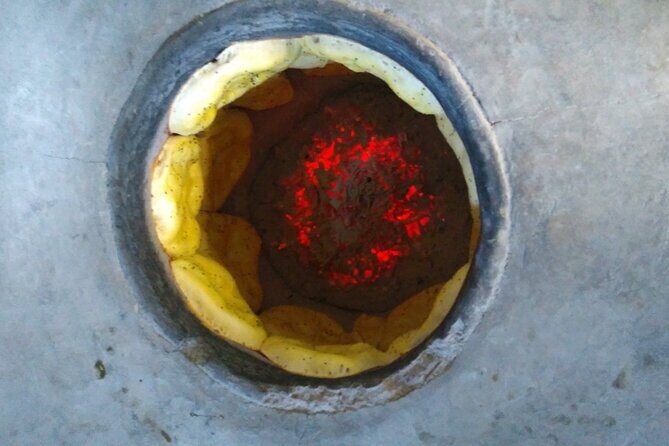
- Hands-on cooking moments, including learning bread steps like using a tandoor oven
- Multi-course menu featuring salads, stews, grape leaves, Turkish ravioli, and grape-molasses dessert
Free Pickup and the Lunch vs Dinner Choice (10 AM or 4 PM)
This cooking class is built around one simple goal: get you into Cappadocia food life without wasting your time on logistics. If you’re staying in Goreme, Avanos, Uchisar, Ortahisar, Cavusin, Mustafapasa, Ayvali, Nevsehir, or Urgup, you can expect pickup and drop-off from your hotel area as part of the experience.
You’ll also get to pick your rhythm. The lunch class runs around 10:00 AM, and the dinner class starts around 4:00 PM. That matters because Cappadocia’s best moments often come from timing—late afternoon and early evening are when the pace of town feels different. Either option still lands you back at your hotel after the meal you helped make.
One more detail that sets expectations: this is a small group experience with a maximum of 6 travelers. That small size is one reason people rate it so highly. With fewer people, you’re more likely to get real back-and-forth with your guide and host, not just a scripted explanation.
Other Cooking & Culinary Experiences reviews in Cappadocia & central Turkey
Urgup Market Time: Why the Shopping Stop Is More Than a Warm-Up
Right before the cooking starts, the day includes shopping in Urgup town. This is one of those parts that sounds optional until you do it and realize it changes the whole class.
Here’s why it’s valuable: Turkish cooking isn’t just a list of dishes. It’s also the ingredient choices behind those dishes—greens, herbs, vegetables, and pantry items like the components of desserts. When you shop together, you start recognizing what you’re eating later instead of treating the meal like a mystery course parade.
You’ll also see why this experience feels local. You’re moving through smaller shop spaces tied to everyday eating, not just souvenir stops. And if you care about learning the “why” behind flavor, the market time sets you up for that kind of conversation.
Arriving at the Host House: What a Local Home Adds
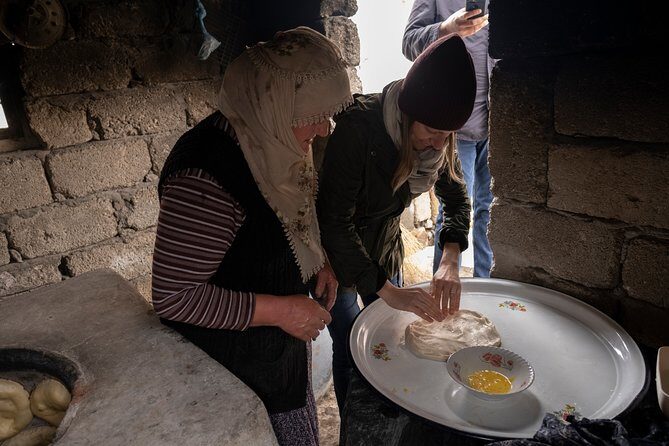
After the market stop, you head to the host house to start cooking with a local cook. This is where the experience takes on its real personality—because you’re not in a classroom kitchen.
Many classes are hosted in private homes, which changes the tone. The host typically welcomes you, explains dishes as you go, and includes you in the kitchen flow. In a few groups, the cooking moment includes playful participation—like getting hands on with bread steps in a tandoor oven, or helping with prep work that makes dinner feel like a shared family project rather than a packaged activity.
It’s also where conversation happens. Several guide and host moments emphasize chatting about modern Turkish life, plus local views on topics like the area’s culture, economy, and everyday living. If you like learning through dialogue instead of only instruction, this format fits.
If you’re traveling with kids, the home setting can be a win. One family experience mentioned that the host involved children, which helped everyone try the food because they helped make it.
The Cooking Flow: From Prep to Serving a Full Multi-Course Meal
The tour runs about 4 hours in total, with a lunch or dinner schedule. You’ll shop, cook, then eat what you prepared, then you’re returned to your hotel.
The cooking itself generally follows a pattern:
- You shop for key ingredients in Urgup.
- You meet the local cook at the host house.
- You prepare dishes together across three courses (lunch or dinner).
- You eat the meal as part of the experience.
- You head back.
Now, here’s the honest consideration. One review-style note you should take seriously: not every group cooks completely independently. In some households, ingredients may be prepped in advance, and the host may cook large pots while you assist with chopping and stirring. That doesn’t make it any less enjoyable, but it does affect how “hands-on” the experience feels.
If you want maximum participation, you can still manage your expectations: focus on doing what’s offered—prep tasks, stirring, assembling grape leaves, and learning how dishes come together.
Your Sample Menu: What You’ll Eat and Learn
The sample menu rotates between lunch and dinner, but it’s designed around a clear mix of salads, cooked mains, and dessert. Here’s the menu structure you can expect to see:
Other cooking classes in Goreme
Starters (You’ll see multiple)
- Seasonal salad
- Purslane salad
- Minced seasonal vegetables salad
- Stuffed grape wine leaves (another starter-style course)
Purslane is the kind of ingredient that makes a Turkish class feel grounded in local eating rather than generic “international salad.” And stuffed grape leaves are one of those dishes that sound familiar until you learn the actual texture and balance that comes from the filling and the way it’s served.
Mains (Hearty and classic)
- Stewed vegetables
- Meat stew with vegetables
- Turkish ravioli
This is where you learn the rhythm of Turkish comfort food: stews that lean into vegetables, plus stuffed dough dishes like Turkish ravioli. Even if your time is limited, the class design is built so you can connect technique to taste.
Dessert (Cappadocia style)
- A Cappadocian dessert made with flour, grape molasses, and butter or sunflower oil
Grape molasses is the star here, and it’s a big reason the dessert feels distinctly regional. You don’t just eat something sweet—you learn what makes it taste like Cappadocia.
Drinks and What’s Included vs Not
Food is only part of the deal. The class also includes drinks that keep you comfortable during cooking.
Included:
- Water
- Black tea or coffee
- Snacks and beverages are part of the experience
Not included:
- Alcoholic beverages
- Soda/Pop
Even though alcohol can appear in the experience (some groups mention wine), it’s not included in the listed inclusions. Also, there’s an important rule: the minimum drinking age is 21.
If you’re planning a dinner-focused evening and you want wine, budget for it separately. If you’re traveling with a group that includes people who don’t drink, that’s easy to manage since water, tea, and coffee are covered.
Diet Needs and Allergy-Friendly Moments (Ask Early)
One of the best practical lessons from the way this class is run: flexibility can be real when you communicate your needs.
In one experience, the chef accommodated gluten-free requirements and even found gluten-free flour for dessert. That means if your dietary situation needs adjustments, you should plan to tell the provider or your guide as early as possible.
Don’t wait until you arrive in the kitchen. Bring your needs up before the class so the host can plan what can be swapped while keeping the meal coherent.
English Interpretation and the Host-Story Advantage
The experience is offered in English, supported by a local interpreter. In practice, this matters because cooking classes can turn into silence if you don’t share context.
Here’s what makes the interpretation feel useful: you’re not only learning what to do with your hands. You’re also hearing why the dish exists, how it fits local life, and what ingredients are valued in daily eating.
Guides connected with these classes have been cited by name (like Kadir), and hosts sometimes speak English well too (for example, experiences mentioned hosts like Ozgul, Nihat, and others). Even when the host’s English level varies, the interpreter keeps the conversation moving so you still get the culture piece with your meal.
Group Size (Max 6) Is the Secret Ingredient
A big part of the appeal is simple: this is not a crowded show. With up to 6 travelers, you can participate, ask questions, and actually build rapport with the host family.
That small group size also improves pacing. You’re not fighting for attention when the dish needs your help, and it’s easier to keep track of steps across the full three-course meal.
In at least one case, the group dynamic turned into a more private-feeling session, which made the whole day feel even more personal. Even if you don’t get a private format, the cap of 6 is still what makes the experience feel human.
Price and Value: Is $176.61 Fair for This 4-Hour Meal?
At $176.61 per person for about 4 hours, the price isn’t cheap. But for the format, it can be fair—especially because several costs are wrapped in.
You’re paying for:
- Hotel pickup and drop-off
- A market stop in Urgup
- A host-based cooking session (often in a private home)
- Three courses of lunch or dinner
- Water, tea/coffee, plus snacks and beverages
- An English interpreter
- Small group size
That’s a lot of included value for a single half-day. The biggest place you might feel the cost is if you expected a fully independent cooking school style where you personally cook every step. This class is more “kitchen collaboration with a local household” than a strict culinary workshop.
If you want the local-home experience and you’re okay with assisting and learning as you go, the price is easier to justify. If you’re purely motivated by technique-heavy instruction with full chef-style repetition, you may want to compare formats before booking.
Practical Tips Before You Go (So Your Class Feels Smooth)
This experience is straightforward, but a few things will help you get the most out of it:
- Pick lunch (10:00 AM) or dinner (4:00 PM) based on your energy and schedule. Don’t try to cram it into a packed day.
- If you care about dietary restrictions, tell the provider ahead of time. You’ve got real evidence from past accommodations like gluten-free dessert flour.
- If you want alcohol, remember alcoholic drinks are not included. Plan for it, especially on dinner classes.
- If you’re traveling with children, keep in mind children must be accompanied by an adult.
Also, one more minor real-world note: like any small operation, it can occasionally depend on the day’s driving/pickup accuracy. One experience mentioned a driver navigation hiccup. Usually it won’t be an issue, but it’s smart to confirm pickup details the day before.
Should You Book This Cappadocia Cooking Class?
Book it if you want a home-based, small-group Turkish cooking experience where you eat what you make, learn through conversation, and get into the local rhythms of Cappadocia food.
Skip it (or at least compare alternatives) if you want a strictly structured cooking class where every participant does every step alone, with zero pre-prep. The experience is still fun and tasty, but the level of individual cooking can vary by household and how the host runs the kitchen.
For most people, the decision comes down to this: if you want your meal to come with context—market ingredients, host stories, and a menu that feels genuinely Turkish—this class is a strong choice. Between the free pickup, the three-course meal, and the small group size, it’s one of those experiences where the value is in the details, not just the dishes.
FAQ
Where does pickup happen?
Pickup is available from all Cappadocia hotels located in Goreme, Avanos, Uchisar, Ortahisar, Cavusin, Mustafapasa, Ayvali, Nevsehir, and Urgup.
What time are the lunch and dinner classes?
The lunch class is picked up at around 10:00 AM, and the dinner class is picked up at around 4:00 PM.
How long is the experience?
It runs for about 4 hours.
Is the class offered in English?
Yes. The experience is offered in English, and a local interpreter is included.
What’s included in the price?
The price includes hotel pickup and drop-off, a 3-course lunch or dinner, water, black tea or coffee, snacks and beverages, and a local interpreter.
What’s not included?
Alcoholic beverages and soda/pop are not included.
Are there any age rules for alcohol?
The minimum drinking age is 21.
What if I have dietary restrictions?
The tour includes a local interpreter and is hosted by local cooks, and at least one experience included gluten-free accommodation. You should communicate dietary needs ahead of time so the host can plan.