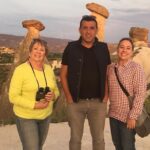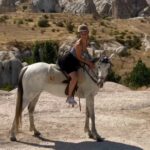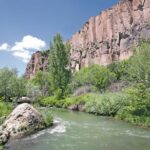
Fairy chimneys start with a simple valley walk. This Red Tour packs UNESCO-level sights into a relaxed day with a max 14-person group and courtesy hotel pickup. I like that it’s efficient without feeling rushed, but there’s one catch: you’ll be on your feet on uneven paths and viewpoints, so comfy shoes matter.
What really makes the day work is the mix of “wow” scenery and practical stops. You’ll go beyond the postcard views with Devrent Valley’s surreal shapes, Pashabağı’s famous three-headed rock pinnacles, and the Göreme Open Air Museum’s cave churches with layered Byzantine-era frescoes. I also appreciate the value side: the price includes entrance fees, lunch at a local restaurant (drinks not included), and a professional English-speaking guide—so you can budget without hunting down extra tickets.
One more thing to note: because lunch includes food but not beverages, you may want to bring a bit of extra cash/card for water, tea, or soda. Otherwise, this is the kind of tour day that helps you see a lot of Cappadocia without you having to plan every turn.
In This Review
- Key highlights to watch for on the Red Tour
- Why this Red Tour feels efficient (without feeling like a race)
- First stop: Devrent Valley, the Imagination Valley walk
- Pashabağı (Monks Valley): three-headed fairy-tale pinnacles
- Avanos and the Red River: pottery, kick wheels, and lunch
- Göreme Open Air Museum: cave churches and frescoes that reward patience
- Esentepe viewpoint: getting your bearings over Göreme Valley
- Uchisar Castle finish: the highest point moment
- Guides and group energy: the difference between a trip and a great day
- Value for the money: what your $84.29 really covers
- Who should book the Red Tour?
- Quick tips to make your day smoother
- Should you book the Cappadocia Red Tour?
- FAQ
- What time does the Cappadocia Red Tour start?
- Where is the tour meeting point?
- How long is the tour?
- How big is the group?
- Is lunch included, and are drinks included?
- Are entrance fees included?
- What languages is the tour offered in?
- Is air-conditioned transportation provided?
- What is the cancellation deadline for a full refund?
Key highlights to watch for on the Red Tour
- Max 14 travelers keeps the vibe calmer and questions easier to ask.
- Hotel pickup and drop-off saves you time in a region where parking can be a headache.
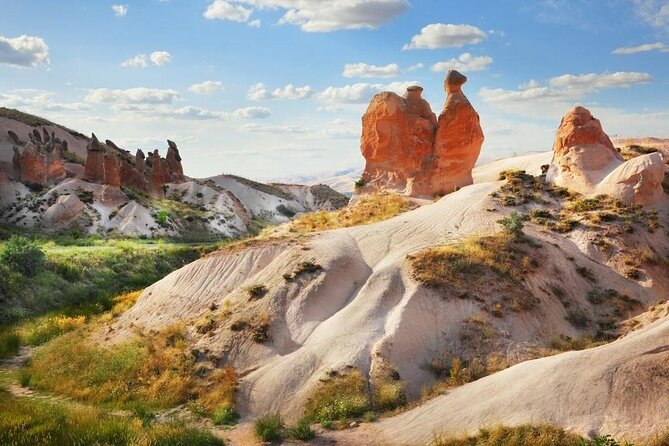
- Devrent Valley + Pashabağı focus on the area’s most surreal rock shapes and their meaning.
- Avanos pottery stop lets you watch traditional kick-wheel work in a real workshop setting.
- Göreme Open Air Museum is the big ticket UNESCO stop, with cave churches and frescoes.
- Esentepe viewpoint + Uchisar Castle finish the day with wide, high-elevation views.
Why this Red Tour feels efficient (without feeling like a race)
A lot of Cappadocia days fall into one of two traps: either you rent a car and stress the whole time, or you join a huge group and end up sprinting from photo spot to photo spot. This tour hits a nicer middle ground. With a small group size capped at 14, you’re not fighting for position at viewpoints, and your guide can actually answer questions instead of doing a quick monologue and moving on.
Time-wise, the tour runs about 7 hours starting at 9:30am. That’s long enough to cover multiple major stops, but it still gives you the option of doing something else the same day—like a relaxed dinner in Göreme or grabbing a sunset walk near your hotel. The courtesy pickup and drop-off are a big part of that. You just show up, hop in the air-conditioned vehicle, and let someone else do the navigation.
The other “efficiency win” is what’s included. Entrance fees, taxes, a professional English-speaking guide, and lunch are all built in. When a day like this includes those costs upfront, it usually ends up feeling cheaper than it looks on paper—because you’re not scrambling to add tickets and admission later.
If you're still narrowing it down, here are other tours in Goreme we've reviewed.
First stop: Devrent Valley, the Imagination Valley walk
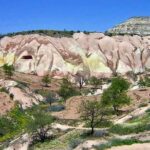
Devrent Valley is one of those places where your brain tries to turn rock formations into familiar shapes. Locals and tour guides often call it Imagination Valley, and you’ll see why: the terrain looks sculpted by an artist who enjoys surprises. It’s not just pretty—it’s the kind of early stop that gets you “reading” Cappadocia before you even reach the cave churches.
You’ll spend about an hour here, and admission is included. That time window is usually just right: long enough to wander, take photos, and ask a few questions, but not so long that the group gets restless. Expect uneven ground and some walking on dirt or rock-adjacent surfaces. If you want the best experience, wear shoes that can handle dust and loose rock.
Pashabağı (Monks Valley): three-headed fairy-tale pinnacles
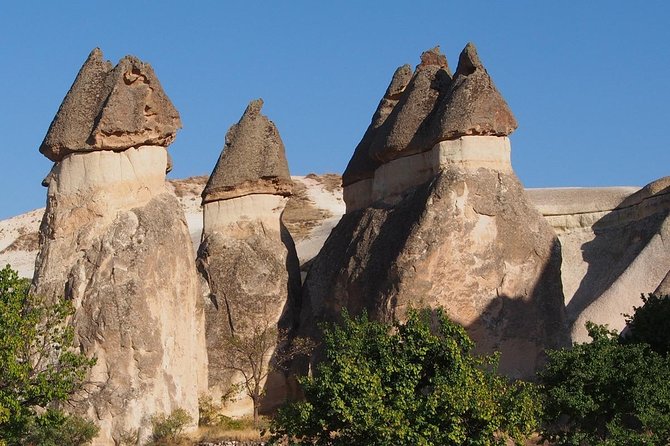
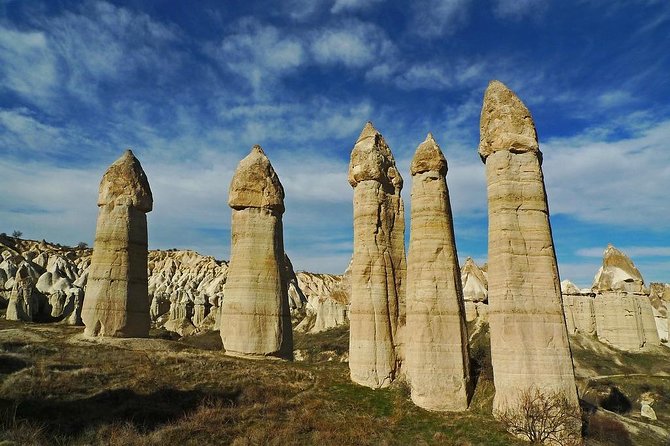
Right after Devrent, the tour heads to Pashabağı, often called Monks Valley. This is where Cappadocia really leans into the “myth meets geology” feeling. The big visual here is the set of three-headed rock pinnacles—symbolic of the Holy Trinity in local interpretation. Close by are areas associated with Christian hermits, including references to small hermit cells and churches.
If you care about context, this stop is a good match. The tour guide typically connects what you’re seeing with why it mattered to the people who lived and prayed here. In the feedback you’ll hear from guides like Rabia, Ekrem Guran, Kadir, and Canan, the common theme is that they explain the historical, cultural, religious, and geographic significance—not just what to photograph.
How to approach it: keep your expectations flexible. Some days you’ll spend more time on a viewpoint; other days you’ll focus on walking and details. Your best move is to ask questions while you’re standing in place, rather than trying to memorize everything and catching up later.
Avanos and the Red River: pottery, kick wheels, and lunch
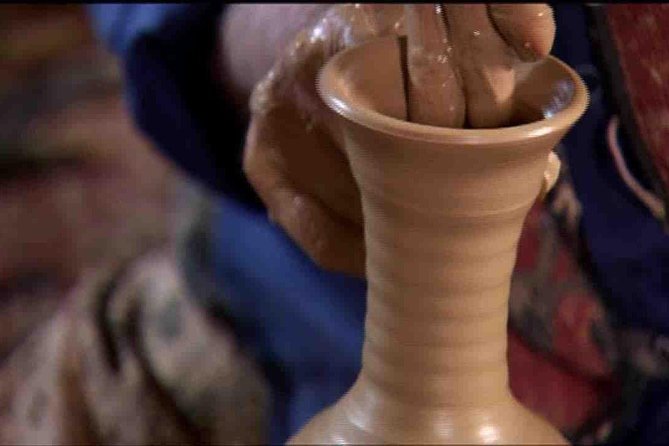
From rock formations, you shift to human craft in Avanos. This is Cappadocia’s pottery center, set on the banks of the Kızılırmak (Red River). The story is simple and memorable: the river earns its nickname from the red clay it deposits, and that clay is what potters have worked with for generations.
You’ll spend about two hours in Avanos, and this is usually the more hands-on, less “photo-only” part of the day. One reason I like this stop is the watching: you can see potters at work, including kick-wheel technique that’s described as having stayed the same for generations. Even if you don’t plan to buy anything, watching the rhythm of the wheel makes the place feel real—not staged.
Lunch is included here at a local restaurant, but drinks are excluded. I like this setup because you can fuel up without dealing with separate meal plans. Still, treat the drink exclusion as normal: if you want tea, soda, or water with your meal, plan to pay for it.
Göreme Open Air Museum: cave churches and frescoes that reward patience
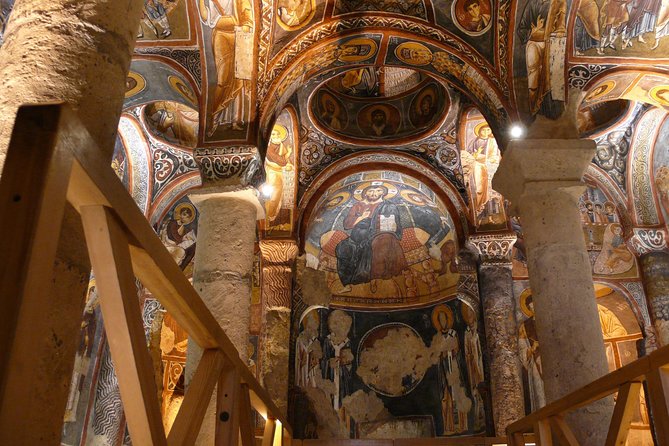
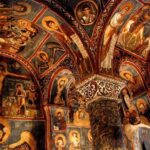
Göreme Open Air Museum is the UNESCO World Heritage Site you came for. This area preserves Byzantine cave churches from a time when monks pursued a monastic life starting as early as the 3rd century. In plain terms: this isn’t just a museum building. It’s churches carved into the rock, in valleys that once felt remote.
One reason this stop matters is the preservation. The best-preserved cave churches and frescoes can be found here, including paintings spanning the iconoclastic period through to the end of Seljuk rule. If that sounds like a lot of timeline, don’t worry. The value for you is that your guide can translate what those layers mean in daily, visible terms—where icons appear, how scenes are arranged, and what kinds of religious figures and stories were emphasized.
The churches include icons depicting scenes from both the Old and New Testament, plus portraits of church fathers and saints. When someone like Ekrem Guran, Kadir, or Onurcan guides the group, the focus often lands on how to look: what to notice first, and why those details mattered.
What to expect in motion: you’ll visit the museum and then shift to panoramas afterward. Plan for some walking and stepping around uneven surfaces. Bring a small amount of patience for indoor-to-outdoor transitions, because cave churches can be cooler or dimmer than the bright viewpoints nearby.
Esentepe viewpoint: getting your bearings over Göreme Valley
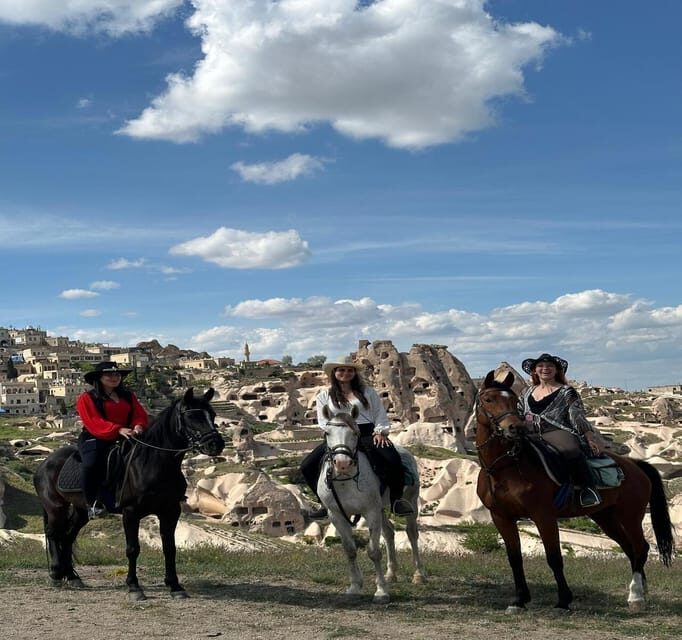
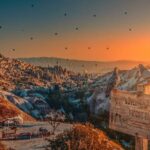
After the museum, the tour moves to Esentepe, a panoramic viewpoint. This is where the day clicks into place. From up here, you can see the complete Göreme Valley picture: fairy chimneys, rock formations, and cave houses spread across the terrain.
This is the kind of stop that helps if you feel a little overwhelmed by Cappadocia’s shapes. From ground level, everything is fascinating but also confusing. From Esentepe, you start connecting dots—like how the valley structure creates the fairy chimney “pattern,” and why certain areas became settlement zones.
If you care about photos, this is a good moment to slow down. Spend time finding a stable spot and letting your eyes adjust before you take shots. The best angle is often the one that makes you feel oriented, not the one that looks best on your first attempt.
Uchisar Castle finish: the highest point moment
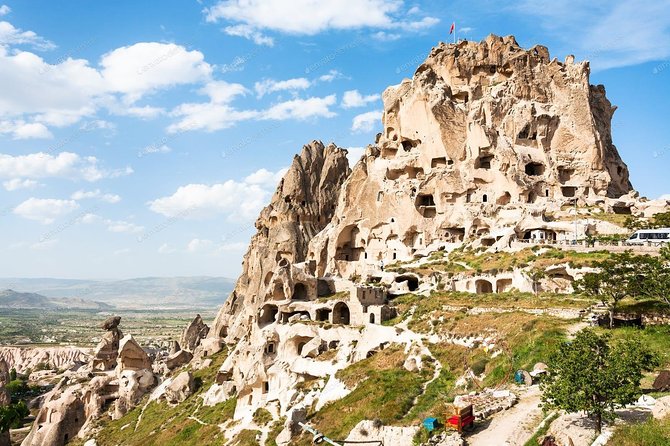
To close, you end at Uchisar Castle. Uchisar is known for having the highest point in the Cappadocia region, and this stop is a satisfying way to end a day centered on height, views, and the “how did this happen?” feeling.
The castle area gives you another chance to see Cappadocia’s rock architecture from above. It’s also a practical finale: by the time you get here, you’ve already seen the earlier valleys, so you’ll recognize patterns instead of starting over fresh.
Guides and group energy: the difference between a trip and a great day
A big part of why this tour is consistently praised is guide quality and how they handle the group. Names you may see tied to this experience include Rabia, Ekrem Guran, Kadir, Canan, Onurcan, and Buşra (sometimes noted as Busra rehber). In some cases, guides worked with both Turkish and English during the day.
Here’s what that means for you: you’ll get a human who explains rather than just recites. You’ll also get flexibility. In the feedback style you’re working with here, multiple guides are described as responsive—adapting to comfort needs and the group’s interests. That’s exactly what you want on a long-ish day with several walking segments.
If you’re the type who likes to ask questions, this tour is a good fit. Small group size makes it easier for your guide to respond without rushing.
Value for the money: what your $84.29 really covers
At about $84.29 per person, the Red Tour price is easier to justify because key costs are included. You’re not just paying for transportation and a guide. Entrance fees to the museum stops are included, along with all fees and taxes. Lunch is also included (drinks excluded), and you get an air-conditioned vehicle.
So what are you paying for, exactly?
- Your time saved: hotel pickup/drop-off and an organized route
- Your cost control: fewer separate ticket purchases
- Your comfort: air-conditioned transport in a region where heat and dust can mess with your energy
- Your understanding: a guide who connects what you see—rock shapes, cave churches, and pottery—to why it matters
Could you do it cheaper on your own? Maybe, depending on your transport choices. But you’d likely trade that savings for planning effort, navigation stress, and time lost finding the right entry points and timing.
Who should book the Red Tour?
This is a great choice if you:
- Want a one-day highlights plan without renting a car
- Care about the story behind the sites, not only the photos
- Prefer smaller group touring over big buses
- Like having lunch handled for you, even if you pay separately for drinks
It’s also a decent fit for many first-timers in Cappadocia because it combines geology, religion/culture (especially at Göreme), and local craft (Avanos). If you’re traveling with family, the small group size can keep things easier—just know you’ll still be walking and climbing a bit.
If you’re very sensitive to uneven surfaces or long walks, plan on taking it slower at viewpoints and allowing extra time to rest. The tour can still work, but your comfort needs will matter more.
Quick tips to make your day smoother
- Wear comfortable, grippy shoes. You’ll deal with dirt, rock, and steps.
- Bring sun protection. Even when there’s shade, the viewpoints expose you fast.
- Pack a small water buffer. Lunch drinks aren’t included, and you’ll likely want something during the day.
- If you’re a photo person, identify your “must” shots early: Devrent/Pashabağı shapes, Göreme frescoes, Esentepe wide view, Uchisar finish.
Should you book the Cappadocia Red Tour?
If you want a well-run, high-value Cappadocia day that hits the big name sites while still leaving room to breathe, I’d book this. The small group size, included museum entrance fees, included lunch, and pickup/drop-off all reduce the usual friction of independent travel. The experience is also clearly shaped by guides who focus on explaining what you’re seeing—especially at Göreme Open Air Museum.
The only reason I’d hesitate is if you strongly dislike walking over uneven terrain or you’re counting every extra expense—because drinks at lunch and optional tips aren’t included. If that sounds manageable, this is a smart way to spend your time in Cappadocia.
FAQ
What time does the Cappadocia Red Tour start?
The tour starts at 9:30am.
Where is the tour meeting point?
Pickup is offered, and you’ll need to send your hotel name at the time of booking.
How long is the tour?
The duration is approximately 7 hours.
How big is the group?
The tour has a maximum of 14 travelers.
Is lunch included, and are drinks included?
Lunch in a local restaurant is included, but drinks are excluded.
Are entrance fees included?
Yes. Entrance fees to museums are included.
What languages is the tour offered in?
The tour is offered in English, and some guides may use both Turkish and English during the experience.
Is air-conditioned transportation provided?
Yes. The tour includes an air-conditioned vehicle.
What is the cancellation deadline for a full refund?
You can cancel up to 24 hours in advance for a full refund.