REVIEW · GOREME
Crafting Clay: A Journey into Pottery Artistry
Book on Viator →Operated by Cappadocia.Help · Bookable on Viator
Clay moves faster than you expect. What I like most about this workshop is the hands-on clay time and the chance to work on an authentic kick wheel. It also comes with coffee and local red wine, which makes the hour feel relaxed instead of school-like, but there’s one catch: some sessions feel very short, so you should confirm how much instruction you’ll actually get.
You meet at Kybele Boutique Ceramic in Avanos, then the activity loops right back to the same spot. In the best cases, you’re not just watching—you’re making, then walking through the shop/gallery and learning how pieces are made, including the process behind the artwork.
The main drawback to keep in mind is mismatch between what’s advertised and what happens on the day. Reviews include cases where wine wasn’t offered and where pottery teaching felt minimal, so go with clear expectations: this is a fun starter workshop, not a long, skill-building pottery course.
4-6 things that make this pottery hour worth considering
- Real kick wheel time in a studio setting, not just a demo
- Pinching, coiling, and slab building for a proper taste of basics
- Coffee/tea and local red wine included, with an 18+ rule for alcohol
- Gallery walk where you can see finished pieces and how they’re made
- Low price ($5) can be a bargain if the class is run well
- Shop time after can turn into a sales push—plan your boundaries
In This Review
- Clay Workshop Reality in Avanos: What You’ll Do in About One Hour
- Where You Meet and How the Hour Plays Out
- The Hands-On Part: Pinching, Coiling, and Slab Building (Plus the Mess)
- Kick Wheel Time: Why This Is the Big Selling Point
- Drinks Included: Coffee, Tea, and Red Wine (With an 18+ Rule)
- The Gallery and Shop After: Where Value Can Rise or Go Sideways
- Price and Value: Is $5 Really a Great Deal?
- Who This Workshop Fits Best (and Who Should Rethink It)
- Practical Tips Before You Go (So the Hour Feels Good)
- Should You Book Crafting Clay in Goreme/Avanos?
- FAQ
- How long is the pottery workshop?
- Where is the meeting point?
- Is the workshop private?
- What’s included in the price?
- Are alcoholic drinks included?
- Are snacks included?
- Is there any cancellation option?
- Can I bring a service animal?
- Is public transportation nearby?
Clay Workshop Reality in Avanos: What You’ll Do in About One Hour
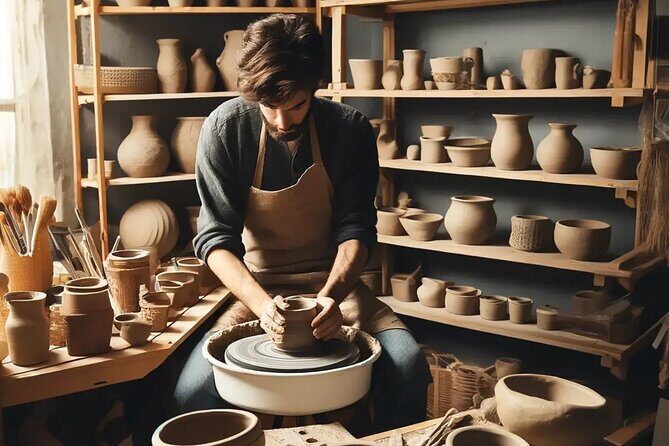
This is a quick, hands-on pottery session that’s marketed around Goreme, but it starts in Avanos at Kybele Boutique Ceramic (Aladdin, Sanayi Cd. No:33, 50500 Avanos/Nevşehir). Plan for about one hour total, and plan to leave with at least one souvenir you made yourself.
The big idea here is that you’re not sitting through a lecture. You’re expected to shape clay right away using core techniques like pinching, coiling, and slab building. Even if you’ve never touched pottery before, that structure helps you understand what each method is good for—small forms, building up walls, or creating flat sections that you can combine into something more deliberate.
One practical note: because the time is short, the instruction has to be efficient. In a great run, you get hands-on guidance and time to try the kick wheel. In weaker runs, you may feel like you mostly get photos, a quick attempt, and then the day pivots toward selling—so timing and expectations matter.
Where You Meet and How the Hour Plays Out

You’ll start at Kybele Boutique Ceramic and finish back at the same place. That’s helpful: you don’t need a complicated schedule, and it makes the class easier to fit into a day that already has Goreme viewpoints or a couple of museum stops.
During the hour, the flow is typically:
1) meet at the studio
2) get drinks (coffee and/or Turkish tea, and sometimes wine)
3) work with clay using the main beginner techniques
4) try the kick wheel if your group is scheduled for it
5) wrap up and head back to the shop area
In the most satisfying versions of this workshop, there’s also a gallery walk. One review describes making a pot on an ancient kick wheel, then going through the gallery and learning about the making process behind the artwork you see on the walls and shelves. That extra element is more than a time filler. Seeing finished work right after you struggle with a lump of clay helps you connect the steps—so you leave with a clearer understanding of how craftsmanship actually happens.
Other Pottery Workshops in Avanos reviews in Cappadocia & central Turkey



The Hands-On Part: Pinching, Coiling, and Slab Building (Plus the Mess)
Let’s talk about the actual clay skills you’ll likely get to try. The workshop states you learn pinching, coiling, and slab building. Here’s what that means in plain language, and why it matters for your own expectations:
- Pinching: You squeeze and shape clay with your fingers. It’s one of the fastest ways to make something small and centered, like a simple cup or bowl shape. It’s also forgiving, because you can correct the form with gentle pressure.
- Coiling: You roll clay into ropes, then stack and join them to build height and thickness. If you’re hoping for something that looks more like a proper pot, coiling is often the method that gets you there.
- Slab building: You roll clay flat and then cut or shape it into sections that you join. This approach helps you understand edges, seams, and how pottery becomes structure—not just finger-shaped clay.
And yes, you should expect mess. Clay gets under nails, on sleeves, and sometimes on your clothes if you don’t wear something you can sacrifice. If you’re planning to go straight to dinner after, wear something that you’d be okay washing later.
The most praised part of the experience is working on the kick wheel—an actual studio wheel you use by hand power. That’s a different feel than pinching or slabs. A wheel teaches timing: centering, then shaping while the clay is spinning. Even a short attempt can be memorable because you feel the clay respond instantly.
Kick Wheel Time: Why This Is the Big Selling Point

If you’re comparing this workshop to other casual pottery experiences in the region, the kick wheel is the key difference. Reviews highlight making a pot on a kick wheel and describe it as fascinating—because you’re not just stamping clay; you’re actively controlling form as it spins.
Why that matters for you:
- You get a sense of what “real pottery” feels like, even if the session is brief.
- You’ll come away with a stronger mental picture of the process you saw later in the gallery (assuming you get that walk).
- It gives you a fun, standout story for your trip, not just a generic craft memory.
Just temper that excitement with a practical question: ask yourself what you want from the hour. If you want deep instruction, this time window may feel tight. If you want a playful introduction with a chance to use the wheel, this is exactly the kind of experience that can deliver good value—especially at the stated price.
Drinks Included: Coffee, Tea, and Red Wine (With an 18+ Rule)

The workshop includes coffee and/or Turkish tea and includes local red wine. That changes the mood of a craft class. Instead of feeling like a rushed tutorial, you’re more likely to feel like you’re in a relaxed studio moment—especially when clay work is new and a little awkward at first.
Alcohol comes with the rule that the minimum age to consume alcoholic drinks is 18. If your group includes anyone under that age, you should expect them to stick with the non-alcohol options like Turkish tea or coffee.
Here’s the balanced caution: some negative feedback mentions wine not being offered when expected. The price and the listed inclusions suggest it should be part of the experience, but the real-world execution may vary. If wine matters to your group vibe, I’d go in with a simple plan: politely ask early what drinks are available and when you’ll receive them, so there’s no surprise later.
The Gallery and Shop After: Where Value Can Rise or Go Sideways
One of the best parts—when it’s done right—is what happens after you shape your piece. A strong review mentions going through the gallery to see finished works and being told about the process behind them. That’s valuable because it turns your personal effort into understanding. You can look at a finished pot and recognize what you struggled with: thickness, symmetry, joins, and why craftsmen slow down at key steps.
But there’s another reality here: the studio is also a shop, and reviews include frustration about a sales-heavy feel. One critical comment describes a very short pottery experience followed by selling activity, plus complaints about prices being high compared to similar items elsewhere.
So how do you protect your experience?
- Treat the workshop portion as the priority. If you want instruction, focus on getting hands-on time early.
- If you don’t want to buy, you still can enjoy the gallery. Just don’t feel like you owe a purchase because you walked in the door.
- If you do want something from the shop, compare quality and pricing thoughtfully. The studio items may be well-designed, but you still want fair value.
This is the biggest reason the reviews are split. When the teaching + gallery story stays centered, people love it. When the sales pitch feels dominant, people walk away disappointed.






Price and Value: Is $5 Really a Great Deal?
At $5.00 per person, this workshop looks like a steal on paper. Included items—coffee/tea, pottery tools (including a kick wheel), and fees/taxes—create a strong “value” argument for anyone who wants a hands-on souvenir.
But low price can also correlate with tight time and tight staffing. Some negative feedback describes minimal instruction and a short, photo-oriented session. In other words: you’re paying for a short activity that can range from genuinely educational to mostly experiential, depending on how the day is run.
My practical take: view this as a starter workshop. You’re unlikely to get a long, step-by-step mastery class in just an hour. If you expect to leave as a confident potter, you’ll likely be unhappy. If you want the fun of shaping clay, a try at the kick wheel, and a chance to see how artistry becomes objects, the price can be an excellent fit.
If you want to maximize value, show up with clear intentions:
- You want wheel time if it’s offered.
- You want the basics explained as you go, not after.
- You’re fine with shopping being part of the environment, but you won’t let it swallow the hour.
Who This Workshop Fits Best (and Who Should Rethink It)
This experience is best for:
- First-timers who want to try pottery basics like pinching, coiling, and slabs
- People who enjoy craft experiences where you can get hands-on quickly
- Groups that appreciate a relaxed studio vibe with drinks
- Anyone who wants a memorable Avanos activity tied to finished ceramic culture
It may not be ideal for you if:
- You want a longer course with deep instruction and lots of technique coaching
- You’re sensitive to sales pressure and want a strictly non-commercial class experience
- Your group has a firm expectation of wine being served and instruction matching a more detailed program
Also note: the activity says most travelers can participate, and it’s listed as private (only your group participates). That private setup can be a plus for getting attention, but since it’s still only about one hour, don’t assume private means long.
Practical Tips Before You Go (So the Hour Feels Good)

Here’s how to make the most of your one hour:
- Wear old clothes. Clay is messy, and you’ll feel less stressed if you don’t worry about staining.
- Arrive ready to ask questions. If you care about how much wheel time you’ll get, ask early in the session.
- Get clarity on the sequence: make time vs gallery time vs shop time. When the schedule shifts toward selling, you’ll want to know that early.
- If you’re shopping, set a budget. Some reviews complain about prices being high, so decide what you’d pay before you’re faced with beautiful ceramics under studio lights.
- If wine is important to your group, confirm early. Drinks are included in the listing details, but real-world delivery can vary.
And one gentle reminder: even when pottery lessons are brief, the physical skill you get is real. The fastest way to learn is often doing it wrong, adjusting, then trying again with better hands-on feedback.
Should You Book Crafting Clay in Goreme/Avanos?
I’d book this if you want a low-cost, hands-on pottery experience that includes real clay work and (ideally) kick wheel time, plus the chance to see finished pieces afterward. At $5, the upside is strong, especially if you enjoy crafts where the goal is participation, not mastery.
I’d think twice if you specifically need a structured, long-form lesson with lots of teaching moments, or if you’re expecting wine to be guaranteed and delivered exactly as described. The mixed feedback suggests that the experience can vary day to day in how much instruction you receive and how much the session turns into retail time.
If you do book, go in with the right mindset: treat it like a friendly studio trial. If it runs well, you’ll leave with a handmade piece and a better feel for how clay becomes pottery. If it runs short, you still get the fun of making something yourself—and you can decide on the spot whether you want to spend more at the shop.
FAQ
How long is the pottery workshop?
It lasts about 1 hour (approx.).
Where is the meeting point?
You meet at Kybele Boutique Ceramic, Alaaddin, Sanayi Cd. No:33, 50500 Avanos/Nevşehir, Türkiye.
Is the workshop private?
Yes. Only your group participates.
What’s included in the price?
Coffee and/or Turkish tea, local red wine, use of pottery-making equipment (including an authentic kick wheel), and all fees and taxes are included.
Are alcoholic drinks included?
Local red wine is included, but the minimum age to consume alcoholic drinks is 18.
Are snacks included?
No, snacks are not included.
Is there any cancellation option?
Yes. You can cancel for free up to 24 hours in advance for a full refund.
Can I bring a service animal?
Yes, service animals are allowed.
Is public transportation nearby?
The activity is near public transportation.