REVIEW · ISTANBUL
Cappadocia, Antalya, Pamukkale and Ephesus 6-Day Tour
Book on Viator →Operated by City of Sultans · Bookable on Viator
Hot air balloons and ancient ruins in one week. This 6-day Turkey route strings together Cappadocia, Antalya, Pamukkale, and Ephesus with smart hotel pickup and included domestic flights, so you’re not wasting days on transfers. I like how the pace stays focused on big sights, but the in-between valleys and viewpoints still feel like they belong there.
One thing to weigh first: entrance fees aren’t included, and the days involve real walking, including a downhill ruin walk in Ephesus. If you’re okay with a moderate fitness level and a full schedule, this tour is excellent value for hitting four major regions with one booking.
In This Review
- Key highlights at a glance
- How this 6-day Turkey route feels in real life
- Day 1 in Cappadocia: Fairy Chimneys, Devrent, Göreme, and Avanos pottery
- Day 2 in Cappadocia: Valleys at golden-hour pace plus Derinkuyu underground
- Day 3 Antalya: A full day in the seaside city (with time to settle in)
- Day 4 in Antalya: Lower Duden Waterfalls, Kaleiçi, and Tunektepe views
- Day 5: Pamukkale’s travertines and Hierapolis, then onward to Kusadasi
- Day 6 in Ephesus: From Magnesia Gate to Meryemana and Artemis
- Price and value: What $1,259 realistically buys you
- Practical tips that make this tour feel better
- Should you book this Cappadocia, Antalya, Pamukkale and Ephesus tour?
- FAQ
- What is the price of this 6-day tour?
- How long is the tour?
- Is pickup included?
- Are meals included?
- Are entrance fees included?
- What group size is this tour limited to?
- Is this tour physically demanding?
- Do I get tickets on my phone?
Key highlights at a glance
- Cappadocia’s fairy chimneys and cave churches with time in multiple valleys and viewpoints
- Antalya days built around water and old streets, including Lower Duden Waterfalls and Kaleiçi
- Pamukkale’s white travertines and thermal pools plus Hierapolis ruins in the same stretch
- Ephesus highlights like the Celsus Library area and Great Theater with guide-led route flow
- Max 15 people, English available, which helps keep logistics under control
- Breakfast and lunch included for most days, cutting down daily “what now?” moments
How this 6-day Turkey route feels in real life
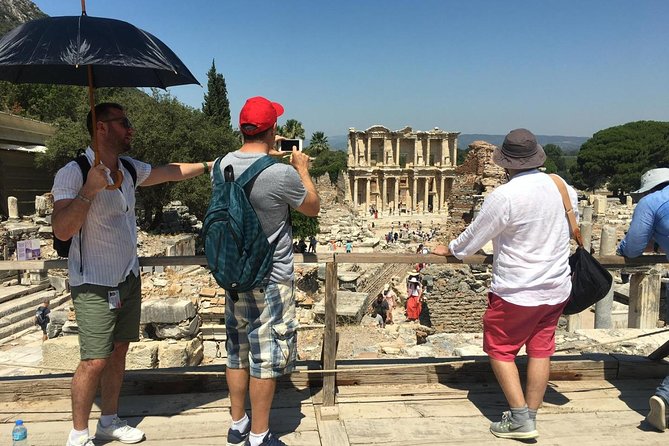
This is a classic Turkey sampler, but with less chaos than you might expect. You’re bouncing between regions—Cappadocia’s volcanic rock world, Antalya’s seaside city energy, Pamukkale’s mineral terraces, and Ephesus’ monumental Roman ruins—yet the tour keeps you moving with pickup in central Istanbul and domestic flights built into the plan.
The best part for your time: you get to see major highlights in each place without spending hours figuring out connections. The best part for your budget: your accommodation and two meals daily for most of the trip are included, which helps make the overall cost feel less like sticker shock.
The trip’s structure also tells you what it’s designed for. It’s not a slow, single-base vacation. It’s a “see the icons, then enjoy the atmosphere” style tour. If you enjoy getting oriented fast, taking photos, and having a guide keep the story straight, you’ll likely love it.
If you're still narrowing it down, here are other tours in Istanbul we've reviewed.


Day 1 in Cappadocia: Fairy Chimneys, Devrent, Göreme, and Avanos pottery
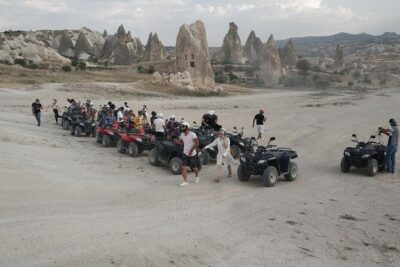
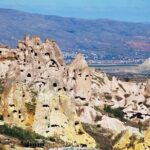
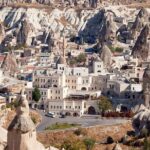
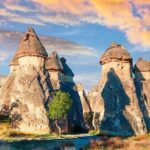
Cappadocia is the reason this tour has so much buzz. From the start, you’re surrounded by the look of the region: mushroom-shaped pinnacles, eroded volcanic rock, and cave rooms carved by people long ago.
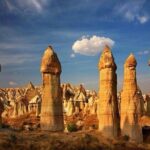
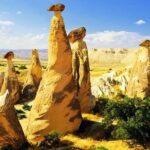
You begin with a general Cappadocia visit and then move into Devrent Valley, famous for its fairy chimney formations. The idea here is simple: you’re not just looking at a single photo spot. You’re seeing a cluster of shapes where your brain starts recognizing patterns, like the region’s nickname moments—rock columns, rounded forms, and chimney silhouettes.
Next comes Fairy Chimneys time itself, including a stop where the formations are called out as the most interesting mushroom-shaped pinnacles. This is your “okay, now I get it” moment. After Devrent, you’ll recognize the way the rocks stack and break.
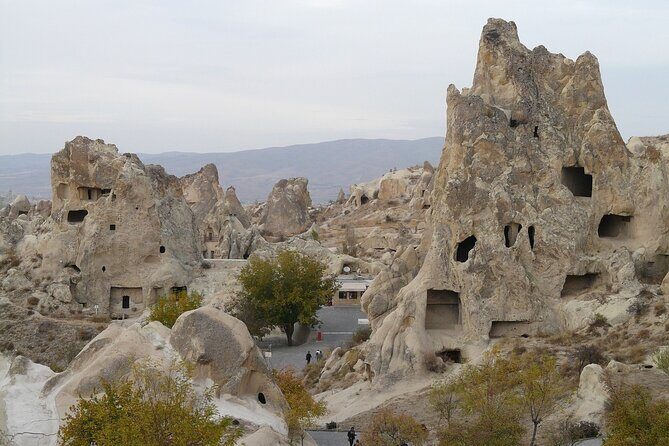
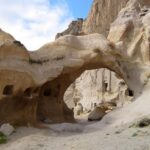
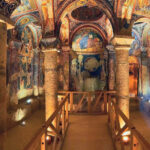
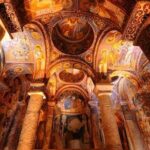
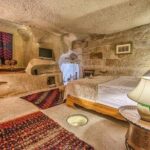
Then you shift from scenery to faith and architecture with the Göreme Open-Air Museum. This is where the cave churches matter. Early Christians built cave spaces to protect their way of life, and the site gives you a clear sense of how geography became shelter. You’ll walk through key portions of the old cave-city layout (the route is guided), and it helps you see Cappadocia as a human story, not just a backdrop.
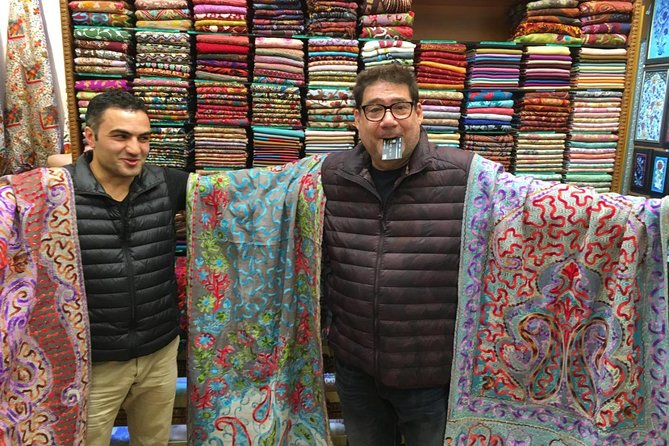
To balance the big sights, you end in Avanos with a traditional pottery workshop. This part feels more grounded than the valleys. Even if you don’t make anything yourself, you see the local craft logic—clay, hands-on work, and the way Avanos is known for pottery.
Watch-outs on Day 1: it’s not a single-stop day. You’ll be moving from valley to viewpoint to museum. Comfortable shoes help, especially if the ground is uneven around viewpoints and cave paths.
Day 2 in Cappadocia: Valleys at golden-hour pace plus Derinkuyu underground
Day 2 is where Cappadocia stops feeling like a single visual and starts feeling like a system of places. The itinerary builds in multiple valleys, each with its own mood and rock formations, and it includes a major UNESCO-linked underground site.
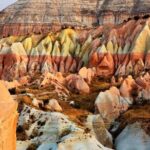
You start with Red Valley, known for an impressive collection of fairy chimneys and dramatic views. The name is tied to the rock tone, and the valley makes it easy to understand why Cappadocia photos look the way they do. You’ll spend time walking and taking in the formations from different angles rather than just standing in one spot.
Then you head to Çavuşin, described as a long valley that creates a “mystic ambiance.” Even without overthinking it, Çavuşin is a useful change of scenery. It gives you a different texture than the main Göreme area, and it makes the region feel larger than one district.
Next is Pigeon Valley, often associated with walkable open stretches and a more outdoorsy feel. You’ll have time to appreciate the valley setting and the wide views, which is a nice mental break after cave-focused time.
Finally, you get to one of the tour’s most striking contrasts: Derinkuyu Underground City. This is a large underground settlement tied to the UNESCO World Heritage idea for Cappadocia. The wow factor is scale—space carved deep underground and organized in a way that tells you how survival and community could work under pressure.
Watch-outs on Day 2: underground sites can be cooler and darker than you expect, and ground conditions above can be uneven. If you bring a light layer and wear shoes with good grip, you’ll feel more comfortable.
Day 3 Antalya: A full day in the seaside city (with time to settle in)
Antalya on this tour is about changing gears. Cappadocia is rock and caves; Antalya is sea air, city streets, and the feeling that the trip is now mixing sightseeing with downtime.
The itinerary keeps Day 3 focused on Antalya itself with time built in. That matters because Antalya is not just one attraction. The city connects neighborhoods and viewpoints with coastal energy, and you’ll want a bit of breathing room to enjoy it. You’ll be able to enjoy the area at a relaxed rhythm compared to Cappadocia’s stop-heavy structure.
What to aim for in Antalya: use Day 3 to get your bearings—figure out where the old town and waterfront sit relative to where you’re staying. When Day 4 arrives with Lower Duden Waterfalls and Kaleiçi, you’ll appreciate having mentally mapped the area.
Day 4 in Antalya: Lower Duden Waterfalls, Kaleiçi, and Tunektepe views
Day 4 is built around water, old streets, and high views, which is a strong trio for a short city stay.
First is Lower Duden Waterfalls, where the park around the falls is described as shady and cooling, with cascades and a calm feel. This is one of those places where the value is not just the waterfall itself—it’s the environment around it. If you like walking where the air feels different, this stop does the job.
After that, you explore Kaleiçi, Antalya’s Old Town. This is where you’ll see Ottoman-style old houses, enjoy views from a park area, and learn about key landmarks like Hadrian’s Gate and the old harbor. Kaleiçi works well on tours because you get both architecture and a sense of place—especially if you’re curious about how coastal cities evolved.
Then you head up to Tünektepe (Tunektepe Teleferik) for big panorama views of Antalya and pine forest areas. The included experience here isn’t just a viewpoint. The hill has facilities like a restaurant that rotates around its axis, plus observation terraces and other social amenities. In practical terms, this makes it easy to slow down and enjoy the view without sprinting from one photo stop to another.
Watch-outs on Day 4: plan for changing temperatures. You might start in a cool waterfall park, then shift to city heat and then to open-air hill views.

Day 5: Pamukkale’s travertines and Hierapolis, then onward to Kusadasi
Pamukkale is one of Turkey’s most recognizable visual places: white terraces shaped by flowing mineral-rich thermal water. The tour combines this with ancient ruins, so you get both the modern spectacle and the deeper context.
You begin at Hierapolis & Pamukkale. Hierapolis is the ancient name used here, and you also see the travertines referred to as the Pamukkale Cotton Castle. The stop time suggests you’ll focus on the key remaining pieces rather than trying to cover everything.
Then you shift into Pamukkale Thermal Pools time. This is where the “walk on white terraces” experience happens in a structured way. You’ll also get access to elements connected to the ancient Roman city atmosphere, including time around sarcophaguses and remains. The point is that Pamukkale isn’t only about bathing—it’s about seeing a mineral environment that shaped settlement and ritual.
After Pamukkale, you move to Kuşadası. Kusadası is presented as a resort town close to Ephesus, and that’s exactly why it fits in this itinerary. It’s an easy base for the next day’s ruins, with clear water and a beach-town feel that helps reset your energy.
Watch-outs on Day 5: thermal areas can get slippery and sunny. Bring footwear you trust around water, and plan for sun protection if you’re walking outside between stops.
Day 6 in Ephesus: From Magnesia Gate to Meryemana and Artemis
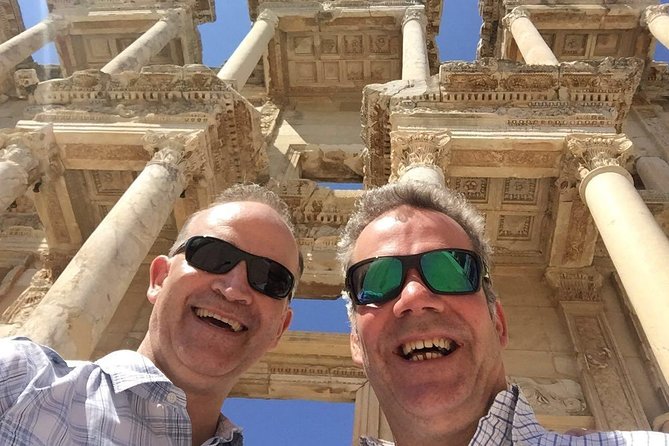
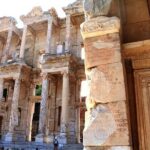
Ephesus is the kind of place where your guide’s route matters. This itinerary takes you in a downhill progression, starting through Magnesia Gate and moving past signature points like the Odeum, Celsus Library, Temple of Hadrian, Fountain of Trajan, and Great Theater.
The value of this order is that it helps you understand layout. Roman cities weren’t random piles of stones; they were organized with public life flowing in a clear pattern. When you’re walking a guided route, you feel how the spaces relate. You’re not just seeing big names. You’re moving through the logic.
Next is Meryemana (The Virgin Mary’s House). This stop is tied to belief about Mary’s last days in the region. Even if you visit as a history-minded person, it’s a calming shift from the roar of major ruins. It gives your eyes a break and helps the day feel rounded.
Then you visit the Temple of Artemis, listed as one of the Seven Wonders of the ancient world. You’ll have shorter time here compared to Ephesus, but that’s normal for a tour that already spends significant time on the main site. Artemis is still worth it because it frames Ephesus beyond its Roman era footprint, linking you to the broader ancient Mediterranean story.
Finally, the day transitions back toward Istanbul. You’re transferred to Izmir Airport for the flight back to Istanbul, and the tour ends on arrival.
Watch-outs on Day 6: Ephesus includes a downhill walk and multiple major stops. Even with a guide, you’ll want supportive shoes and a bit of stamina. If you tend to get tired on long walking days, start hydrating earlier in the morning.
Price and value: What $1,259 realistically buys you
At $1,259 per person, the value depends on what you’d otherwise pay separately. This tour includes accommodation and domestic flights, plus lunch and breakfast for five meals each (so you’re not buying food every day). It also includes pickup from central Istanbul hotel areas and a small-group setup (maximum 15 travelers).
What’s not included: entrance fees to sites and museums. That’s the biggest variable in your total trip cost. You should expect to add those tickets on top. It’s not a dealbreaker, but it’s important for planning. If you skip budgeting for entrance fees, the final cost can creep up.
The other value angle is time. When you compare this to piecing together buses, flights, and separate tours for each region, the included domestic flight and the guided route planning can save both money and stress. You’re paying for coordination.
For me, this price makes sense if you want a big-hit itinerary—Cappadocia scenery, Antalya city highlights, Pamukkale’s terraces, and Ephesus ruins—without doing all the homework yourself.
Practical tips that make this tour feel better
This is a tour where comfort choices matter more than fancy planning.
- Wear good walking shoes. Ephesus involves a downhill route through ruins, and Pamukkale has terrace areas that can be uneven and wet.
- Pack layers. You’ll move from cave areas to open valleys to seaside city weather to mineral terraces. Conditions can change fast.
- Bring a hat and sunscreen for open-air viewpoints and travertine time.
- Plan for entrance fee spending. Since fees aren’t included, you’ll want cash or card ready for tickets when you arrive at each site.
- If you care about photography, do it in the moments with time for multiple angles (Red Valley, Fairy Chimneys, Tünektepe, and the Ephesus walkthrough route).
Because the group is capped at 15, you’ll typically get a smoother rhythm than in large bus tours. Still, it’s a packed itinerary, so set expectations accordingly: you’re here for highlights, not a long, slow day of wandering with no schedule.
Should you book this Cappadocia, Antalya, Pamukkale and Ephesus tour?
I’d book it if you want a one-week sweep of Turkey’s biggest “wow” destinations with hotel pickup, domestic flights, and meals already handled. It’s especially strong if you’re the type who enjoys guided storytelling—Ephesus becomes much more satisfying when you walk the correct route and hit the major anchors.
I’d think twice if you hate walking on uneven terrain, because the itinerary includes multiple valley walks, museum/cave areas, and a downhill ruins day. Also, if you’re trying to control every last cost up front, remember the tour price does not include entrance fees.
If those two considerations don’t bother you, this is a very practical way to see the icons without turning your trip into a logistics project.
FAQ
What is the price of this 6-day tour?
The price is $1,259.00 per person.
How long is the tour?
It’s listed as 6 days (approx.).
Is pickup included?
Yes. Pickup is offered from central Istanbul hotels, ports, and airports.
Are meals included?
Yes. Lunch and breakfast are included (5 lunches and 5 breakfasts).
Are entrance fees included?
No. Entrance fees to museums and sites are not included.
What group size is this tour limited to?
It has a maximum of 15 travelers.
Is this tour physically demanding?
The tour notes that you should have a moderate physical fitness level. You’ll also have a slow downhill walk at Ancient City of Ephesus.
Do I get tickets on my phone?
Yes. It includes mobile ticket access.