REVIEW · ISTANBUL
Fire of Anatolia – Istanbul, Cappadocia, Pamukkale, Ephesus, Troy
Book on Viator →Operated by Fez Travel · Bookable on Viator
Eleven days, five ancient worlds, one smooth plan. I like how this trip moves fast but stays organized, with a professional English guide and entrance fees handled for the big-name sites. The route hits iconic Turkey highlights without making you play ticket-puzzle alone, and the small-group feel (up to 20 people) keeps things from turning into a herding exercise.
Two things I really like: first, you get a real guided walkthrough at the places that matter most, from Istanbul’s major monuments to Ephesus and Troy. Second, meals and ground logistics are partially covered, including breakfasts and dinners, plus air-conditioned transport and transfers in Istanbul. Even the standout field days, like WWI Gallipoli, come with a guide who can explain what you’re seeing.
One possible drawback: the schedule is tight, and you’ll be on your feet for ruins, terraces, and long travel stretches. The operator also flags moderate physical fitness as a requirement, so if stairs and uneven stone tires you out quickly, plan on pacing yourself. Also, optional add-ons exist (like the folklore show and Bosphorus cruise), but the tour isn’t positioned as slow travel.
In This Review
- Key highlights to know before you go
- A smart loop through Turkey’s biggest highlights
- Istanbul: Palaces, mosques, and the Europe–Asia water line
- Bosphorus ferry day into Cappadocia flights
- Cappadocia’s Goreme Valley and the underground city
- Konya: Mevlana’s world plus Çatalhöyük’s early agriculture
- Pamukkale: white travertines and Hierapolis ruins
- Laodicea’s quieter ancient city and leather craft stops
- Ephesus with the museum, carpets, and Selçuk wine
- Pergamon in Bergama and then Troy, plus the Troy Museum
- Gallipoli’s WWI battlefields and the long return to Istanbul
- Price and value: what $2,802.68 buys you in real life
- Who this tour suits best (and who should think twice)
- Should you book Fire of Anatolia?
- FAQ
- How long is the Fire of Anatolia tour?
- What is included in the price?
- Do I need to buy entrance tickets for the major sites?
- Is pickup available?
- Will there be a guide on every sightseeing day?
- What kind of group size should I expect?
- Is travel insurance included?
- Are there optional activities?
- Is this tour suitable for people with limited mobility?
- What happens if the tour is canceled due to weather?
- What is the cancellation policy?
Key highlights to know before you go
- Small group size (max 20) means more human pacing in crowded places
- Entrance fees included helps you avoid line-stress and budgeting surprises
- Istanbul + Bosphorus timing gives you the Europe-Asia angle early, then again by ferry
- Cappadocia stops that include underground history rather than only views
- Ephesus with a museum stop + carpet village adds context, not just ruins
- Gallipoli WWI battlefield tour covers multiple memorial sites and trenches
A smart loop through Turkey’s biggest highlights
This is the kind of trip that works best when you want breadth. In about 11 days, you’ll cover Istanbul on the European and Asian sides, fly into Cappadocia, hit Pamukkale’s travertines, tour ancient cities in western Turkey, then end with Gallipoli’s World War I sites and return to Istanbul.
What makes the plan feel practical is the rhythm. Days are built around a primary destination (one big region per day) instead of forcing constant hotel-hopping. You also get an English-speaking guide for the tour duration, plus an air-conditioned vehicle and included entrance tickets. That combination matters in Turkey, where timings and site access can be the difference between a calm visit and a rushed one.
If you’re a first-timer to Turkey’s main sights, you’ll likely love how much you can cover without having to self-organize the entire route. If you’ve been before, you might still enjoy the way the itinerary connects themes: empires in Istanbul, spiritual Turkey in Konya, ancient cities in the Aegean, then the modern shock of Gallipoli.
Other Cappadocia Tours from Istanbul reviews in Cappadocia & central Turkey

Istanbul: Palaces, mosques, and the Europe–Asia water line
Your trip begins with arrival transfer and then hands you free time in Istanbul. That’s a good buffer. Istanbul can be disorienting at first—traffic, neighborhoods, and the sheer scale—so having an extra day section where you can get your bearings helps.
On day two, you’ll tour the city’s top architectural hits with a guide. Expect stops including Topkapi Palace (with Hagia Irene), the Blue Mosque, St Sophia Museum, and the Hippodrome. This is a strong ordering because it gives you a quick sense of how Istanbul’s power has shifted over centuries—court life, imperial religion, and public spectacle all in one arc.
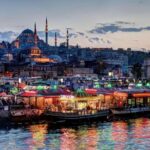
Then comes the water-and-history angle: you’ll cruise between Europe and Asia, with an optional half-day Bosphorus cruise. The itinerary also includes a public ferry crossing later on, but this early cruise helps you visualize the city’s geography fast. My advice: if you care about photos, bring layers. Wind off the water can change quickly, even when the city is warm.
Bosphorus ferry day into Cappadocia flights
Day three blends two steps that many visitors appreciate: a calmer Bosphorus ferry segment and then a flight onward. The ferry is where you get more of the local feel, since it’s a public ferry rather than a private boat. Your guide explains historical sites along the way, which is the difference between taking a photo and understanding why the view matters.
After breakfast, you’ll take that one-hour ferry with explanation, then fly to Cappadocia and transfer to your hotel. That structure helps you avoid the most common beginner mistake on this route: spending your first day in Cappadocia while still mentally stuck on Istanbul. Here, you land and get the rest of the day free, so you can settle before tomorrow’s deeper exploration.
Cappadocia’s Goreme Valley and the underground city
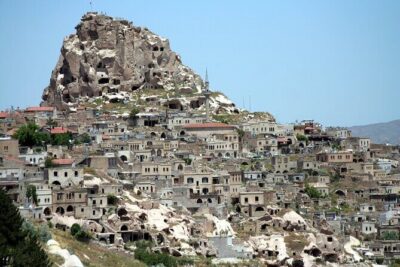
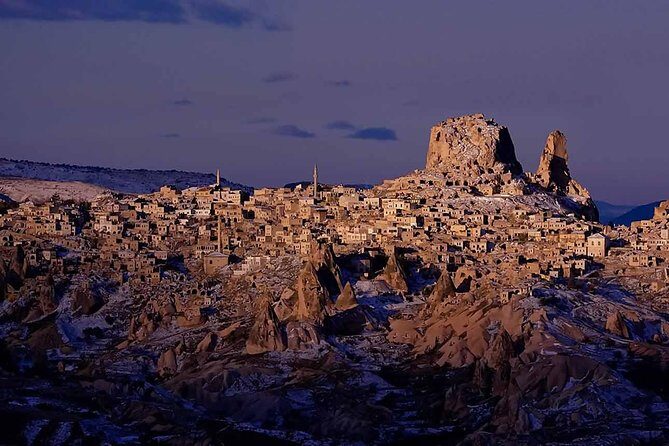
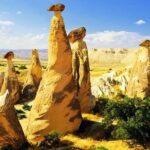
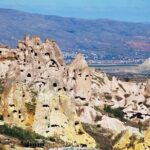
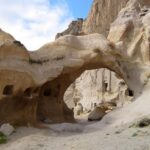
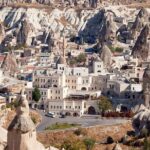
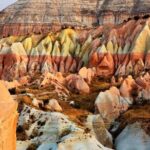
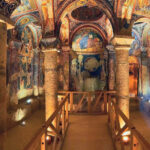
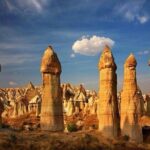
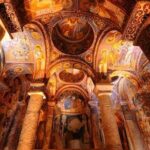
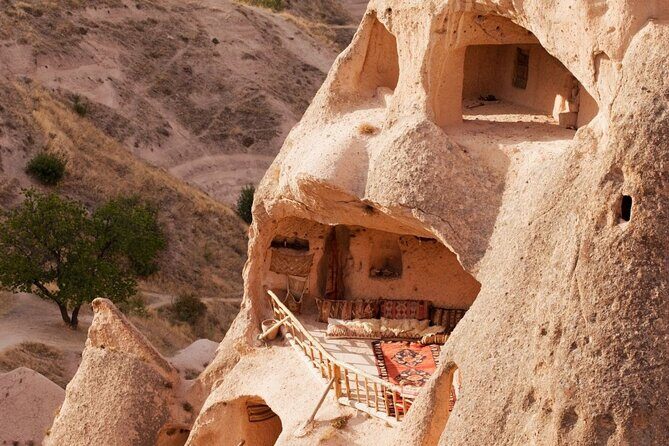
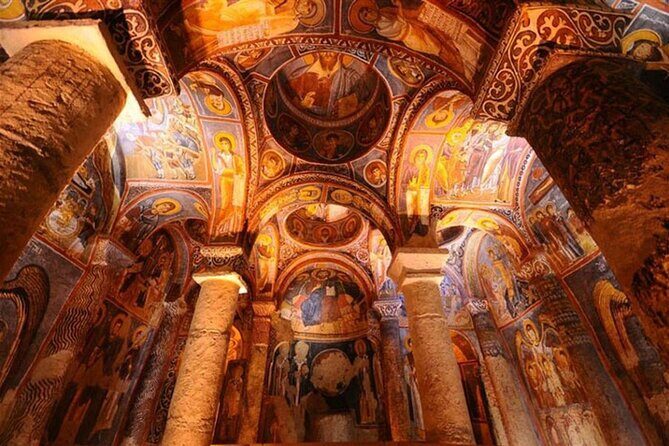
Cappadocia is often sold as a fairy-chimney photo stop. This itinerary goes further, and that’s a big win. You’ll visit the Goreme Valley Open Air Museum and see the fairy chimneys, then explore an underground city with multiple levels.
Why that matters: the Goreme sites show you how communities shaped the rock itself, while the underground city turns the story from scenic to survival-focused. It’s the kind of contrast that makes your understanding click. You can admire the views and also grasp why people lived this way—protection, shelter, and practical reuse of the terrain.
You’ll also have time for the kind of spontaneous photography that only works when you’re not stuck in constant bus movement. The program explicitly calls out photo opportunities, which is realistic in Cappadocia. Just remember: the best shots often require you to stand and walk a bit, so wear shoes you’d trust on uneven ground.
There’s an optional evening add-on too: a Turkish folklore evening with folklore and belly dancers. If you want more than ruins and caves, this is the easiest cultural supplement on the schedule.
Konya: Mevlana’s world plus Çatalhöyük’s early agriculture
Day five shifts from western and coastal vibes to spiritual and ancient inland Turkey. You’ll visit the Mevlana Celaleddin Rumi mausoleum, then tour the Mevlana Museum, including the tomb and exhibits related to the Whirling Dervishes tradition. There’s a clear education angle here—manuscripts and museum exhibits help you understand the setting rather than treating it like a quick stop.
What I like about adding Konya is that it adds a different kind of Turkey. Istanbul and Cappadocia can dominate the trip in people’s minds, but Mevlana’s site grounds the journey in long-standing cultural traditions. It also tends to feel calmer than the busiest headline sights.
After that, the itinerary continues along the Silk Road theme with a visit to the Çatalhöyük Museum. This is a Neolithic connection to an area famous for very early settlement history. It broadens the timeframe so you’re not only jumping between medieval and ancient classical eras.
Practical note: museum-style days can be mentally heavy. If you’re doing a lot of tours back-to-back, plan simple breaks and don’t overschedule your evenings.
Other Multi-City Turkey Tours reviews in Cappadocia & central Turkey


Pamukkale: white travertines and Hierapolis ruins
Then you head to Pamukkale to see the calcium travertines and stroll over the white terraces. This stop has a built-in wow factor. Even if you’ve seen photos before, seeing the terraces in person changes the scale.
You’ll also explore Hierapolis, including the Temple of Apollo and the Necropolis. That pairing is smart. Pamukkale alone is a natural wonder; Hierapolis turns it into a full-day experience with city archaeology. It’s one of the best ways to spend time here if you want both scenery and historical context.
One consideration: those terraces are not flat garden paths. You’ll want shoes that handle rocky surfaces, and it helps to pace yourself. If you’re sensitive to heat, go slower during the peak sun hours and drink water when you can—this area can feel intense on the body.
Laodicea’s quieter ancient city and leather craft stops
Day seven visits Laodicea, described as a chief city of the Lycus River Valley region. The itinerary also notes the city’s earlier name Diospolis, linked to Zeus, plus details about its identity over time. The point here is context: Laodicea is less famous than Ephesus, but that’s exactly why it can feel more spacious.
You’ll also enjoy a display of locally handcrafted leather goods in the afternoon. This isn’t a random shopping stop—it ties into a regional craft tradition and gives you a chance to see what “value” means in a Turkish craft context, not just at one major tourist marketplace.
If you prefer places with less crowd energy, Laodicea is a nice mid-trip breather between the heavyweights of Ephesus and Troy.
Ephesus with the museum, carpets, and Selçuk wine
Ephesus is the day you see why Turkey tours get famous in the first place. You’ll have a guided tour of the ancient site, including major points such as the Temple of Artemis area, the grand Library of Celsus facade, and the amphitheater.
But the program doesn’t stop at ruins. You’ll also visit the Ephesus Archaeology Museum, where artifacts help you connect what you’re standing near with what’s been preserved. That museum layer can turn scattered ruins into a more coherent story.
Then there’s the added cultural stop: at the carpet village, you’ll learn how carpets are made by hand and what determines carpet value. Even if you’re not shopping, it’s useful because it gives you a framework for understanding labor, materials, and craftsmanship.
Afterward, you’ll head to Selçuk for a wine tasting experience. If you enjoy food and drink breaks, it’s a satisfying wrap for a day that starts early and ends among ancient stones.
Pergamon in Bergama and then Troy, plus the Troy Museum
Day nine brings you to Bergama (Pergamon) first, including the acropolis and impressive temples and a library that made the city a cultural and political center. This is a high-detail archaeological area. You’ll want your camera ready, but also your brain engaged—Pergamon rewards attention to scale and layout.
Then you continue to Troy (Truva), a UNESCO World Heritage Site. You’ll explore the ancient city and also visit the new, award-winning Troy Museum. The museum is a key part of this day because it gives you a guided entry into the setting before you try to imagine stories you’ve heard for decades.
My best advice for this kind of day: don’t rush. If you try to “collect highlights” only, you’ll miss what makes these places special—how geography shapes history. The combination of Pergamon plus Troy is also efficient because you’re pairing two big classic-era destinations without doubling the travel days.
Gallipoli’s WWI battlefields and the long return to Istanbul
The last big land day is Gallipoli, and it’s emotionally different from the ancient sites. You’ll visit the WWI battlefields including Lone Pine and Chunuk Bair Memorials, ANZAC Cove, The Nek, Johnston’s Jolly, plus original trenches and tunnels. That list matters because it spreads the experience across the campaign, rather than focusing on one view.
It’s a long day too—around nine hours—ending with the drive back to Istanbul. If you can, plan an easy evening on arrival. Your body may feel fine, but your brain usually needs decompression after a day like this.
This is also where a strong guide really shows up. One of the standout themes from high praise for this tour is that guides add thoughtful details and keep the group moving smoothly in crowded stops. In a places like Gallipoli, those details make the sites more than a checklist.
Price and value: what $2,802.68 buys you in real life
At about $2,802.68 per person for roughly 11 days, the price is not cheap. The main question is: are you paying mainly for transport and hotels, or for the guided experience and included access?
Here, you get real cost relief on the items that usually add up:
- Entrance fees included for the sites listed on the program
- A professional English-speaking tour guide through the tour duration
- Air-conditioned vehicle and Istanbul transfers
- Inbound and outbound airport transfers in Istanbul
- Breakfasts and dinners included (breakfast 10 times, dinner 7 times, per the package)
- A cruise component between Europe and Asia (with an additional optional cruise listed)
You’re also getting airline transport on day three (flight to Cappadocia is built into the timing), which is another common budget sink on multi-stop routes.
So, you’re paying for concentration. This is a “let someone else handle the schedule” package. If you love independent planning and hate group timing, you might not like that. If you want big-name highlights with fewer logistical headaches, this cost can start to feel reasonable.
Who this tour suits best (and who should think twice)
This fits best if you:
- Want to see Istanbul, Cappadocia, Pamukkale, Ephesus, Troy, and Gallipoli without building the route yourself
- Like guided explanations at major sites, not just self-guided wandering
- Appreciate a small group setup (up to 20) that keeps the day from feeling too chaotic
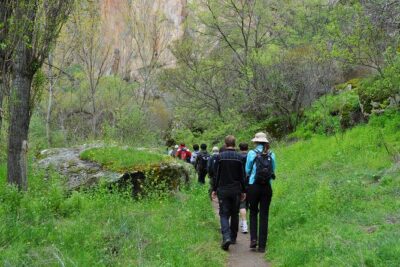
- Don’t mind moderate walking and uneven ground across ruins and terraces
You might think twice if you:
- Need a very slow pace or lots of free time each day
- Have limited mobility and find uneven surfaces hard
- Want full control over meal times and sightseeing priorities
Should you book Fire of Anatolia?
If your goal is maximum Turkey highlights in one trip with entrances handled, a guided plan, and a small group, I’d say yes. The itinerary’s structure connects big themes—empires in Istanbul, spiritual tradition in Konya, survival-era history in Cappadocia, layered archaeology around the Aegean, and the solemn modern weight of Gallipoli.
My final nudge: pack for walking, bring comfortable shoes, and keep one flexible mindset. This is a lot of history in a short time. Done well, it feels like a fast education. Done carelessly, it can feel like too much stone and not enough breathing room.
FAQ
How long is the Fire of Anatolia tour?
The tour is listed as 11 days (approx.).
What is included in the price?
The package includes an air-conditioned vehicle, entrance fees, airport transfers in Istanbul (inbound and outbound), a professional English-speaking guide for the duration, and meals including breakfast (10) and dinner (7).
Do I need to buy entrance tickets for the major sites?
No. Entrance fees are included.
Is pickup available?
Yes. Pickup is offered (and transfers in Istanbul are also included).
Will there be a guide on every sightseeing day?
Yes. You’ll have a professional English-speaking tour guide for the duration of the tour.
What kind of group size should I expect?
The tour has a maximum of 20 travelers.
Is travel insurance included?
No. Compulsory travel insurance is not included.
Are there optional activities?
Yes. The program lists optional add-ons such as a half day Bosphorus cruise and an optional Turkish folklore evening. A wine tasting experience is included in the Ephesus-area day, while some other suggested activities may be optional.
Is this tour suitable for people with limited mobility?
It requires moderate physical fitness and involves walking at historic sites. If stairs or uneven surfaces are difficult for you, you should consider that carefully.
What happens if the tour is canceled due to weather?
The experience requires good weather. If it’s canceled due to poor weather, you’ll be offered a different date or a full refund.
What is the cancellation policy?
It is described as non-refundable and cannot be changed for any reason. If it’s canceled due to poor weather or because the minimum number of travelers isn’t met, you’ll be offered a different date or a full refund (as stated in the policy).
If you want, tell me your travel month and your walking comfort level, and I’ll help you judge whether this pace feels right for you.