REVIEW · GOREME
Cappadocia, Konya, Pamukkale and Ephesus Tour
Book on Viator →Operated by Stoneland Travel · Bookable on Viator
Four sites, one smooth plan.
This Cappadocia, Konya, Pamukkale and Ephesus trip is interesting because it strings together Turkey’s top highlights without you juggling buses, tickets, or check-in times. I like the all-in transport and accommodation setup, and I also like that the itinerary hits big “wow” moments and the in-between stops like Zelve and the underground city. The only real drawback is the pace: you’ll pack in a lot of sights, and lunches and dinner are on you most days.
Cappadocia-first, Ephesus-last makes the route feel logical, not random. You get a professional guide, hotel pickup and drop-off, and even afternoon tea, so you’re not constantly recalculating logistics. Still, extras like the hot air balloon and Cleopatra’s thermal pool cost extra, and you’ll want to budget for meals that aren’t included.
If you like organized travel with guided context, this works well. If you want lots of free time to wander on your own, you might feel rushed—especially in the busiest ancient sites.
In This Review
- Key points that matter before you go
- Seven Days, Four Powerhouses: How This Route Feels
- Cappadocia Day 1: Airport Arrival and Easy Check-In
- Cappadocia Day 2: Uchisar, Zelve, Pasabag, and the Artisan Stops
- Uchisar Castle views (highest point energy)
- Zelve Open Air Museum (fairy chimneys meet heritage)
- Pasabag’s three-headed fairy chimneys
- Bezirhane ceramics center, Avanos rug workshop, and Urgup rock types
- Cappadocia Day 3: Göreme, Derinkuyu Underground City, Ihlara Valley Hike
- Goreme panoramic viewpoint
- Derinkuyu Underground City (deep freeze to shelter)
- Ihlara Valley: 3.5 km, about 1 hour 15 minutes
- Selime Monastery and Pigeon Valley
- Onyx shaping in Uchisar
- Drive to Konya at the end of the day
- Konya Days 1: Rumi at the Mevlana Museum and Alaaddin Hill Views
- Mevlana Muzesi: Tomb of Rumi + Sultan Selim Mosque
- Alaeddin Tepesi and the Seljuk remnants
- Pamukkale and Hierapolis Day: Karahayit Springs, Ancient Ruins, and Travertines
- Karahayit red springs
- Hierapolis highlights: gates, necropolis, baths, gates again
- Cleopatra’s thermal pool (optional extra)
- Travertines and wading time
- Driving to Kusadasi
- Pergamon and Asclepion from Kusadası: Ancient Medicine Meets Big Theaters
- Ephesus Day 1: Meryemana, Artemis, and the Roman City Walk-Down
- Meryemana and the winding valley drive
- Ephesus Museum and Magnesia Gate entry
- Great Theater: 25,000 seats and still in use
- Drop-off at Izmir airport or Kuşadası bus station
- Price and Logistics: What You’re Paying For (and What You Still Need)
- Who This Tour Fits Best (and Who Should Think Twice)
- Should You Book This Cappadocia, Konya, Pamukkale and Ephesus Tour?
- FAQ
- What’s the tour start time?
- Are hotel pickup and drop-off included?
- How many nights and breakfasts are included?
- Are lunch and dinner included?
- Are the hot air balloon and Cleopatra’s thermal pool included?
- What’s the cancellation window for a full refund?
Key points that matter before you go
- Private vehicle, hotel pickup/drop-off: Less waiting, fewer transfers, smoother days.
- Cappadocia stops beyond the usual views: Uchisar, Zelve, Pasabag, underground Derinkuyu, Ihlara Valley hike.
- Rumi and Seljuks in Konya: Mevlana Museum plus Alaaddin Hill sights.
- Pamukkale with both ruins and pools: Hierapolis monuments, theater, travertines, plus optional Cleopatra Pools.
- Ephesus and Meryemana in one day: Roman city highlights paired with the Virgin Mary House.
- What’s not included is predictable: Lunch/dinner and alcohol are extra, while several major fees are covered.
Seven Days, Four Powerhouses: How This Route Feels
This tour is built for a simple goal: see the must-sees across Turkey in one trip, and do it with included hotels and transfers. That’s the core value. You land in Cappadocia, move on to Konya, then Pamukkale, and finish in the Ephesus area (with a Pergamon day thrown in). You won’t have to map bus routes or hunt for timed entry tickets—you’ll just show up and follow the plan.
The best part of this kind of schedule is how it reduces travel friction. When transportation and accommodation are already handled, you can focus on the sights: fairy chimneys in Cappadocia, Sufi heritage in Konya, thermal travertines in Pamukkale, and then Ephesus’ Roman grandeur.
The tradeoff is time. This is not a slow “sit and savor” itinerary. You’re moving from place to place with guided stops that are often around the 30–60 minute range, and some days stretch longer (like the Ihlara Valley hike and Pergamon).
If you're still narrowing it down, here are other tours in Goreme we've reviewed.

Cappadocia Day 1: Airport Arrival and Easy Check-In
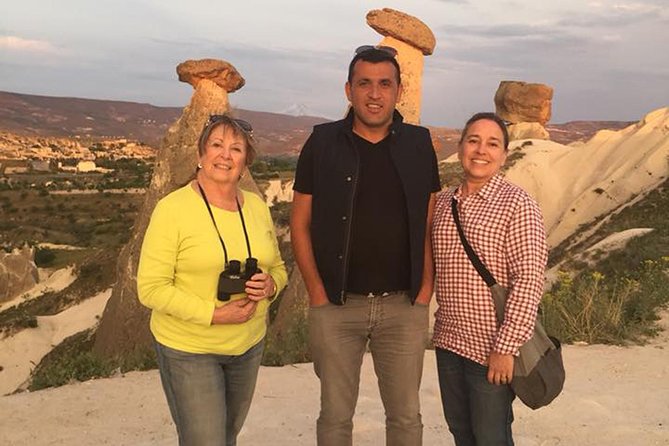
Day one is straightforward. You meet at Cappadocia airport (Nevşehir or Kayseri) and get driven to your hotel in Cappadocia. There’s no big sightseeing pressure on this first day—just a clean start so you can rest and get oriented.
This matters more than it sounds. Cappadocia has a few different towns, and getting to the right base area affects everything—where you eat, how early you can leave, and how manageable early pickups feel. This setup helps you avoid the first-day scramble.
Cappadocia Day 2: Uchisar, Zelve, Pasabag, and the Artisan Stops
Day two is a classic Cappadocia mix: rock formations, open-air churches, and the region’s craft culture.
Uchisar Castle views (highest point energy)
Uchisar Castle sits on the highest point in the area and is unique in form, with graves, tunnels, and churches you won’t see the same way elsewhere. The visit is short, around 30 minutes, so treat it like a “set your bearings” stop. If you’re the type who likes photo angles, this is a good place to test different viewpoints.
Zelve Open Air Museum (fairy chimneys meet heritage)
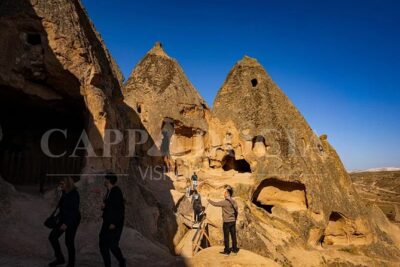
Next comes Zelve Open Air Museum. This open-air site is famous for sharp, pointed fairy chimneys and it’s tied to the region’s UNESCO heritage. You’ll get about 50 minutes here, which is long enough to walk through and still leave room to absorb what you’re seeing instead of speed-walking.

Pasabag’s three-headed fairy chimneys
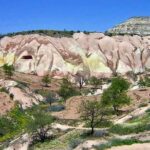
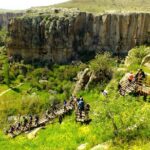
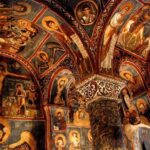
Pasabag is the place to see three-headed fairy chimneys, and it’s surrounded by dramatic rock formations. Even if you’ve seen Cappadocia photos before, this stop tends to feel more real because you can stand close to the tufa shapes and see the scale.
Bezirhane ceramics center, Avanos rug workshop, and Urgup rock types
After the main sights, the tour shifts to cultural crafts:
- Bezirhane Culture, Arts and Ceramics Center focuses on red terra rosa and white kaolin clays used historically since Hittite times.
- Sentez Avanos Rug Workshop & Store frames carpets as symbols and messages—patterns tied to belief and emotion, not just decoration.
- Urgup is a good add-on stop for learning the specific “fairy chimney” structure: conical bodies of tufa and volcanic ash, topped with tougher rock caps.
These craft stops can be hit-or-miss depending on your patience for shop-like environments. The upside here is that you get quick context for why these products matter in daily life and how they connect to the geology.
Cappadocia Day 3: Göreme, Derinkuyu Underground City, Ihlara Valley Hike
Day three is the most active day in Cappadocia. You’ll start with a hotel pickup and then move into views, underground history, and a real canyon walk.
Goreme panoramic viewpoint
You begin with Göreme Panoramic view, including a guide’s explanation of how Cappadocia formed while you look at fairy chimneys. There’s some free time for photographs too, so you can work out which angles you like before you go deeper.
Derinkuyu Underground City (deep freeze to shelter)
Then it’s down into Derinkuyu Underground City. This underground complex was used first as a natural deep-freeze, and later by Romans as shelter against invasions. Expect nearly an hour with guided explanations. It’s the kind of stop where the guide’s storytelling makes the rooms make sense—storage areas, passageways, and how people could survive underground.
Ihlara Valley: 3.5 km, about 1 hour 15 minutes
After that, you drive about 45 minutes to enter Ihlara Valley. The tour describes how the valley formed from volcanic activity near Mt. Hasan and how the Melendiz River carved it over millions of years. The canyon is described as around 80 meters deep and about 14 km long.
You’ll hike around 3.5 km (about 1 hour 15 minutes) and then arrive at a restaurant for lunch. This is one of those days where you’ll feel glad lunch is included in the sense that you’re not hunting for food mid-hike.
If you’re planning footwear, pack shoes you can trust on uneven ground. This is not a smooth stroll on a flat path.
Selime Monastery and Pigeon Valley
After lunch you move to Selime Monastery, described like a castle set with churches, chapels, bedrooms, storages, and a cathedral-like space. Then you stop at Pigeon Valley, which is less about pigeons themselves and more about what they meant locally. The tour notes pigeons were historically important, and that locals carved “houses” into valley slopes for them.
Onyx shaping in Uchisar
To finish the Cappadocia side, you visit an onyx factory in Uchisar. Onyx here is described as a volcanic stone with different colors and minerals. You watch a shaping show where a master demonstrates the steps of turning raw stone into something usable. It’s a quick way to connect Cappadocia’s geology to modern craftsmanship.
Drive to Konya at the end of the day
The day ends with a drive to Konya after the tour finishes around late afternoon.
Konya Days 1: Rumi at the Mevlana Museum and Alaaddin Hill Views
Konya is spiritual and historical in a different way than Cappadocia. It’s more about continuity—traditions, tombs, and the feel of a city shaped by centuries.
Mevlana Muzesi: Tomb of Rumi + Sultan Selim Mosque
You start around 09:00 and visit the Museum of Mevlana including the tomb of Rumi. After that, you visit the Ottoman-era Sultan Selim Mosque, then have lunch at a traditional Turkish restaurant. The order matters: starting with Mevlana gives the trip its emotional center, and the mosque visit adds architectural depth.
Alaeddin Tepesi and the Seljuk remnants
After lunch, you drive to Alaaddin Hill. You’ll see the Alaettin Mosque and minimal remains of the palace of the Seljuk Sultans of Rum. This stop is about ruins and silhouettes—less about one preserved building, more about how the hill still holds the story.
Pamukkale and Hierapolis Day: Karahayit Springs, Ancient Ruins, and Travertines
Pamukkale is one of those places where you’ll understand why people make a big deal out of it. The famous white terraces are only one part. This itinerary also pulls in the Roman city of Hierapolis, plus optional thermal time.
Karahayit red springs
Your tour begins with red springs in Karahayit. It sets up the color contrast you’ll see later with the travertines.
Hierapolis highlights: gates, necropolis, baths, gates again
Then you enter Hierapolis from the North Gate and visit a long list of monuments: the Necropolis, Bath and Basilica, Frontinius Gate and Street, Latrina, the Northern Byzantine Gate, the Fountain of the Tritons, and the Temple of Apollon. Many stops are short, but the guide’s route helps you see the city layout instead of getting lost among ruins.
Cleopatra’s thermal pool (optional extra)
You’ll get free time at the Cleopatra Antique Thermal Pool, but admission is extra. This is a useful heads-up for planning. If you skip the pool, you still get a strong core program with plenty of photos around the theater and terraces later.
Travertines and wading time
The tour then wraps with Pamukkale Thermal Pools—white calcium travertines—with time to take pictures and wade. There’s also a late lunch after leaving the site and then you’re dropped back at your hotel.
Driving to Kusadasi
After the Pamukkale day, you drive onward to Kuşadası, your base for the Ephesus region.
Pergamon and Asclepion from Kusadası: Ancient Medicine Meets Big Theaters
Day six shifts from thermal wonder to classical power. You’ll be picked up at 09:30 for a long six-hour outing.
You’ll see:
- Pergamon Acropolis
- Asclepion (ancient hospital and health center)
- Propylaeum of the Temple of Athena
- Pergamon Amphitheater
This is a great day if you like the idea that ancient cities had systems for health, learning, and public life, not just temples and statues. Asclepion in particular gives a different “theme” for your Ephesus-area time. Instead of only thinking about Roman administration, you’re reminded that these civilizations tried to treat real human problems.
Bring water and wear layers if it’s warm. Even with a guide, you’re outside for long stretches.
Ephesus Day 1: Meryemana, Artemis, and the Roman City Walk-Down
Your final full day is the biggest finale: Meryemana (The Virgin Mary’s House) plus Ephesus highlights.
Meryemana and the winding valley drive
You start from the port of Kuşadası. The route includes scenic views of the Byzantine fortress in Selcuk and the Temple of Artemis. Then there’s a long, winding road to the shrine of St. Mary, described as the diminutive house in the Solmissos Mountains and considered by the Vatican to be the final resting place of the Virgin Mary.
Even if you’re not traveling for religious reasons, the setting gives the day quiet contrast to the later crowd-heavy ruins.
Ephesus Museum and Magnesia Gate entry
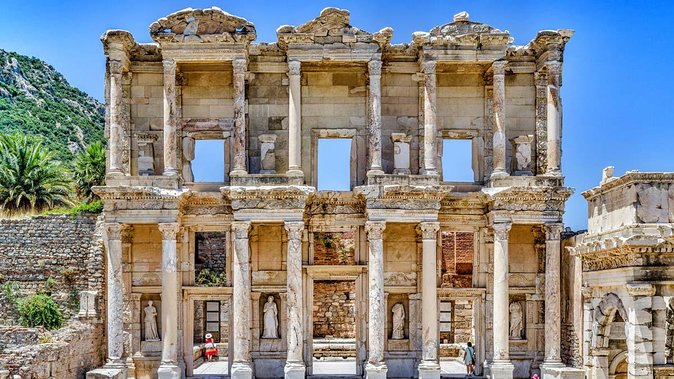
You continue to ancient Ephesus, passing through the arched Magnesia Gate and starting a slow downhill walk. You’ll see the Temple of Hadrian, Trajan Fountain, Odeon Theater, and the Celsus Library with its imposing façade and two-story Corinthian-style columns.
Great Theater: 25,000 seats and still in use
Then you move to the Ancient City of Ephesus highlights. The Great Theater is one of the few structures still used today, seating about 25,000 people. The guide notes it was once linked to gladiator games, and it’s also used for annual spring festivals.
This is where your feet feel it. It’s a downhill walk with steps, and you’ll do best if you plan for comfortable shoes and a few slow breaks.
Drop-off at Izmir airport or Kuşadası bus station
At the end, you’re driven to İzmir airport or Kuşadası bus station. This keeps the ending simple if you’re catching a flight or planning onward travel.
Price and Logistics: What You’re Paying For (and What You Still Need)
The price is listed at $2,315.20 per person for about 7 days. That is not cheap, but the way this tour is built helps justify it. You’re paying for:
- 6 nights accommodation
- private vehicle transport
- professional guide
- hotel pickup and drop-off
- breakfast (6) and afternoon tea
- national park fees and key admission items listed in the stops
- mobile ticket support
The missing pieces are predictable:
- Lunch and dinner are not included (so you’ll be choosing meals along the way).
- Alcohol isn’t included.
- Souvenir photos are extra.
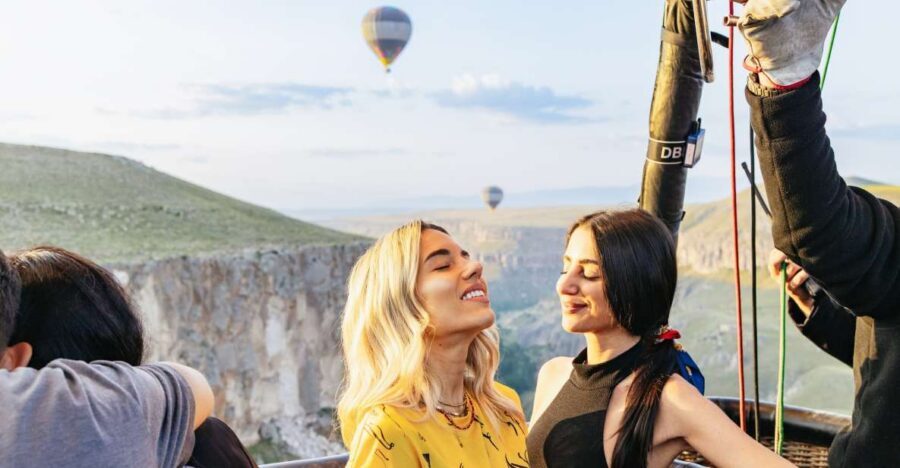
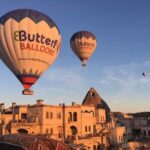
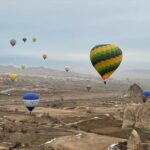
- Hot air balloon flight and the Cleopatra thermal pool are add-ons.
For value, I’d treat this as “you buy time and calm.” You’re outsourcing the hardest parts: where to stay, how to get from place to place, and how to structure sightseeing days. If you can handle walking and you don’t mind a guided rhythm, that value can feel real.
If you mainly want flexibility, you might find the fixed schedule limits you.
Who This Tour Fits Best (and Who Should Think Twice)
This tour makes the most sense if you:
- want to cover Cappadocia + Konya + Pamukkale + Ephesus in one go
- prefer a guide to handle history and route flow
- like structured sightseeing with included admissions and breakfasts
- travel with kids or groups that need reasonable planning (the provider’s service style is described as adjusting for families, which can matter a lot when timelines are tight)
It may feel less ideal if you:
- want lots of free time at each site
- hate shopping-style stops (onyx factory, rug and ceramics centers can feel like sales moments even when they’re educational)
- are sensitive to long days and walking (Ihlara Valley plus major ruins in Ephesus adds up)
Should You Book This Cappadocia, Konya, Pamukkale and Ephesus Tour?
If you’re short on time and want a smooth, guided route through Turkey’s biggest hitters, I’d say yes, it’s worth considering. The biggest win is practical: you don’t fight transportation and check-ins, and the itinerary covers both iconic sites and meaningful context stops like Derinkuyu and Hierapolis.
I’d book this if your travel style is: see a lot, keep moving, and let a guide turn sites into a story. I’d think twice if you want a slow pace or you budget tightly for meals and add-ons, because lunch/dinner and several popular extras are not included.
If you can plan for comfortable shoes and accept a packed schedule, this is an efficient way to turn one trip into four unforgettable regions.
FAQ
What’s the tour start time?
The listed start time is 10:00 am.
Are hotel pickup and drop-off included?
Yes. Hotel pickup and hotel drop-off are included, including transfer service at the start (Cappadocia airport to hotel) and at the end (to İzmir airport or Kuşadası bus station).
How many nights and breakfasts are included?
You get 6 nights accommodation and breakfast (6).
Are lunch and dinner included?
No. Lunch and dinner are not included, and you’ll purchase them during the day.
Are the hot air balloon and Cleopatra’s thermal pool included?
Hot air balloon flight is not included, and Cleopatra’s thermal pool admission is listed as extra.
What’s the cancellation window for a full refund?
You can cancel up to 6 days in advance for a full refund.