REVIEW · ORTAHISAR
Cappadocia: Pottery Experience – Watch and then Try
Book on GetYourGuide →Operated by Connect Kayata Travel Agency · Bookable on GetYourGuide
Clay turns into art in under an hour. This Cappadocia workshop blends a hands-on pottery try with a cozy tea break and a gallery-style look at local makers.
I especially like that you’re not just watching—you get real instruction on shaping clay, with an instructor guiding what to do and how to fix common slips. I also like the built-in gallery stop, because it helps you understand what you’re buying (or admiring) and why Cappadocian ceramics have that distinct look.
The main drawback to consider: the experience can feel short, and the amount of hands-on time you get may vary by group and how the instructor runs things. If you’re expecting a long, fully hands-on class where you make several attempts, you might want to set expectations early.
In This Review
- Key things to know before you go
- A 50-Minute Ceramic Session in Ortahisar’s Underground Workshop
- Museum Cave Seramik to Tea and Arts & Crafts Market Time
- Watching Pottery Get Made: What You’ll Pick Up Before Touching Clay
- Hands-On Clay Shaping: How the Instructor Helps You Make Something Real
- Tea Break and the Gallery of Cappadocian Ceramics
- The buying factor (and how to keep it fun)
- Price and Value: Is $16 Worth It for Pottery in Cappadocia?
- Timing, Language, and the Practical Stuff That Makes or Breaks Your Visit
- Who Should Book This Pottery Watch-and-Try in Cappadocia?
- Should You Book This Cappadocia Pottery Experience?
- FAQ
- Where is the meeting point for the pottery workshop?
- How long is the Cappadocia pottery experience?
- What does the $16 price include?
- Do I need to arrange my own transport?
- What languages will the instructor speak?
- When will I know the exact time for my session?
- Is there an option to cancel or pay later?
Key things to know before you go
- Underground workshop setting: it’s in an underground space at Museum cave seramik, so plan for stairs and cooler air
- You watch first, then make: the flow is built around seeing pottery steps before you try shaping clay
- Tea is part of the session: you get a special tea break during the activity
- Gallery time matters: after you make your piece, you’ll have a chance to explore local ceramic work
- Price is “good value,” with a buying angle: discounted prices may be offered, but the gallery can tempt you to purchase
- Time confirmation is essential: you’ll receive the right time after booking—don’t head over until you have it
A 50-Minute Ceramic Session in Ortahisar’s Underground Workshop
This is a compact workshop designed to fit neatly into a day in Cappadocia. The total experience runs about 50 minutes, with the pottery portion scheduled for roughly an hour depending on how the session flows. That short timing is great if you want a meaningful activity without losing half a day, but it also means you’ll want to pay attention when the instructor demonstrates.
The meeting point is the underground workshop at Museum cave seramik. Underground workshops have a practical upside: they tend to keep temperatures steadier than the hot-and-cold swings outside. The flip side is simple—wear shoes you’re comfortable walking in on indoor paths and stairs.
You’ll meet an instructor who speaks English and Turkish, and the whole setup is meant to guide you from clay to a finished souvenir-style piece. The goal isn’t to train you like a professional potter—it’s to help you make something you’ll actually want to keep.
If you're still narrowing it down, here are other tours in Ortahisar we've reviewed.



Museum Cave Seramik to Tea and Arts & Crafts Market Time
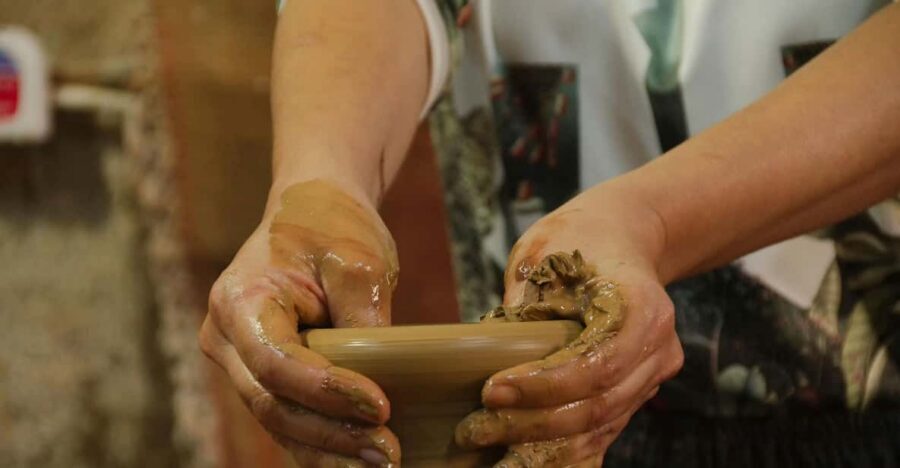
The session begins at Museum cave seramik, then you spend time in Ortahisar, including a tea/arts & crafts market stop alongside the workshop experience.
That market time can be useful even if you’re only doing the pottery class. Ortahisar is one of those places where craft shops and ceramics aren’t random souvenirs—they’re part of the local visual language. Seeing the wares before and after you make your piece helps you connect what you do with what you’ll recognize outside the workshop.
Also, tea isn’t just a pause. In this kind of workshop flow, tea helps reset your energy so you can focus on the fine movements needed for shaping clay without feeling rushed.
Watching Pottery Get Made: What You’ll Pick Up Before Touching Clay
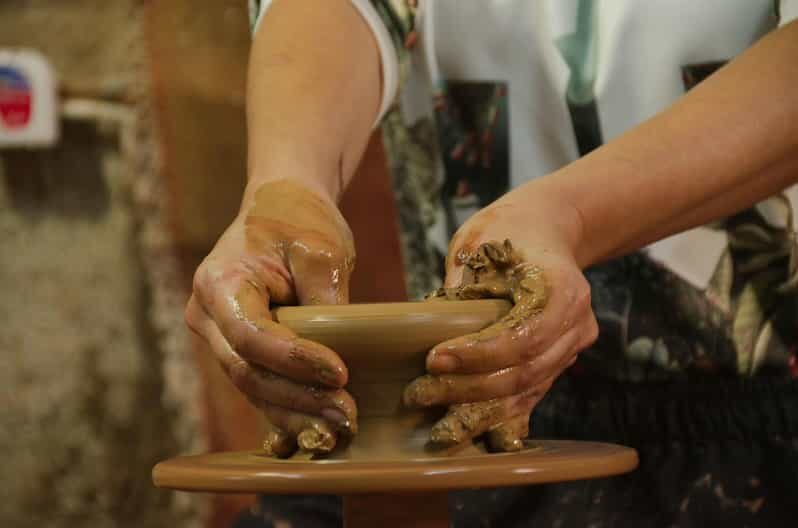
The workshop starts with you watching pottery making. This matters more than it sounds, because clay shaping is one of those skills where a tiny movement can change the result.
During the watching segment, you’re basically getting a quick tutorial on:
- how the clay is handled (so it doesn’t collapse or crack)
- how shaping differs from just pressing or squeezing
- the basic “sequence” that potters use so you don’t get stuck
Even if your session is short, watching first helps you avoid the most common beginner problem: spending your hands-on time confused. Here, the pace is structured so you’re prepared when you switch from observer to maker.
Hands-On Clay Shaping: How the Instructor Helps You Make Something Real
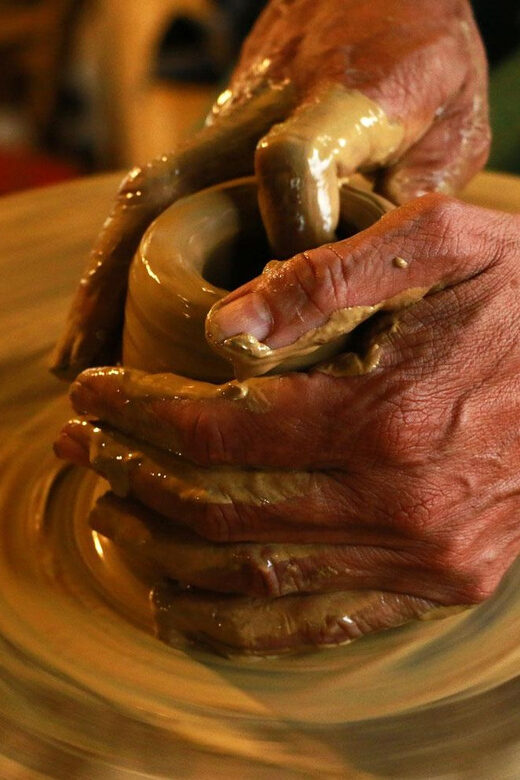
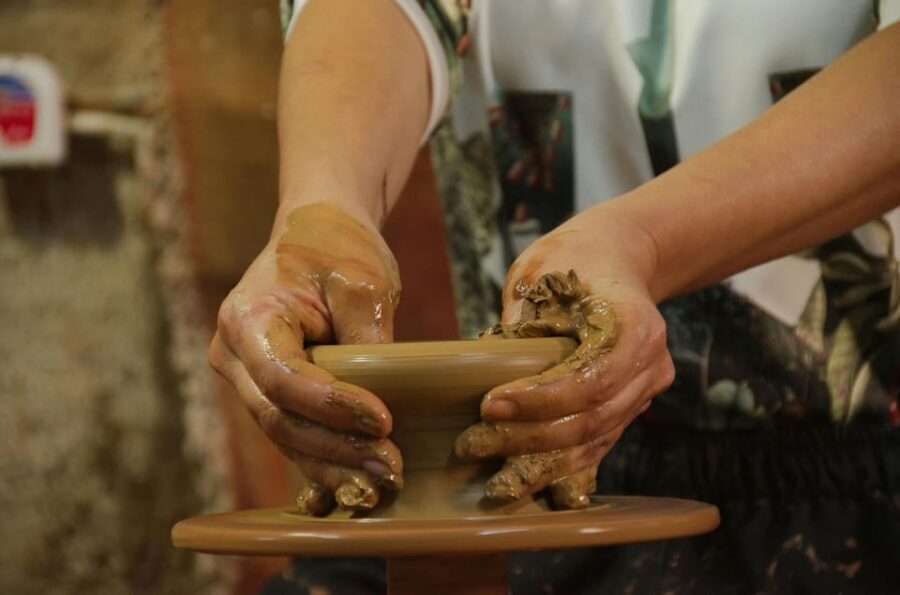
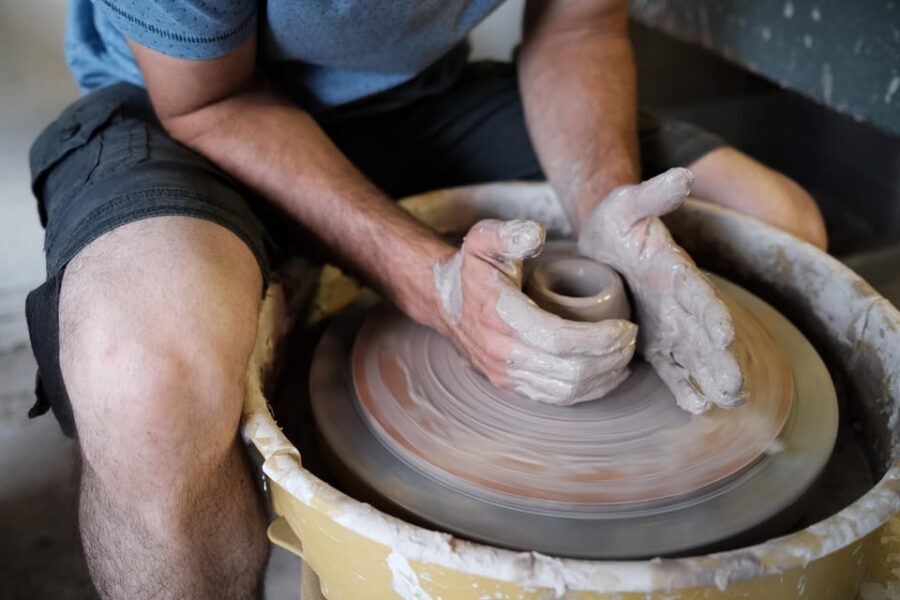
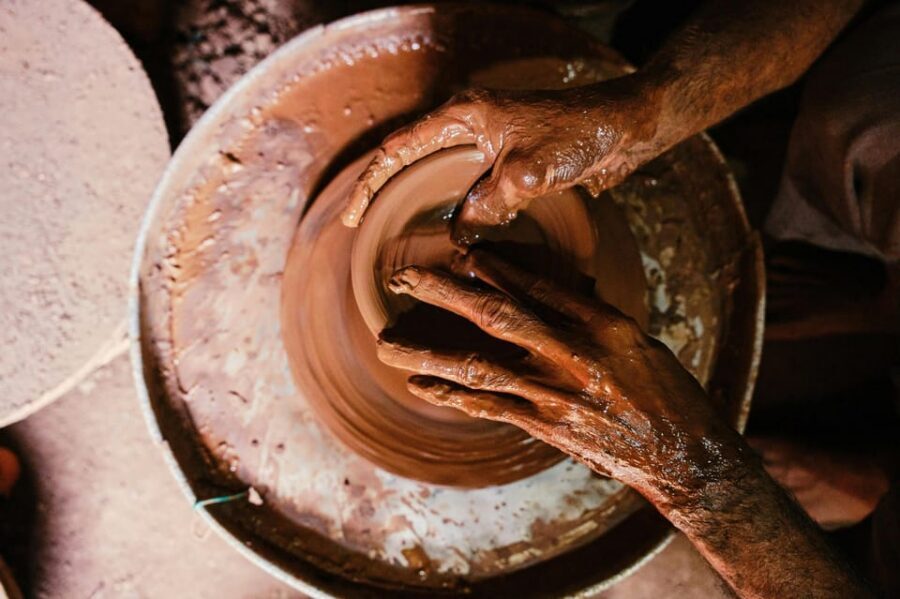
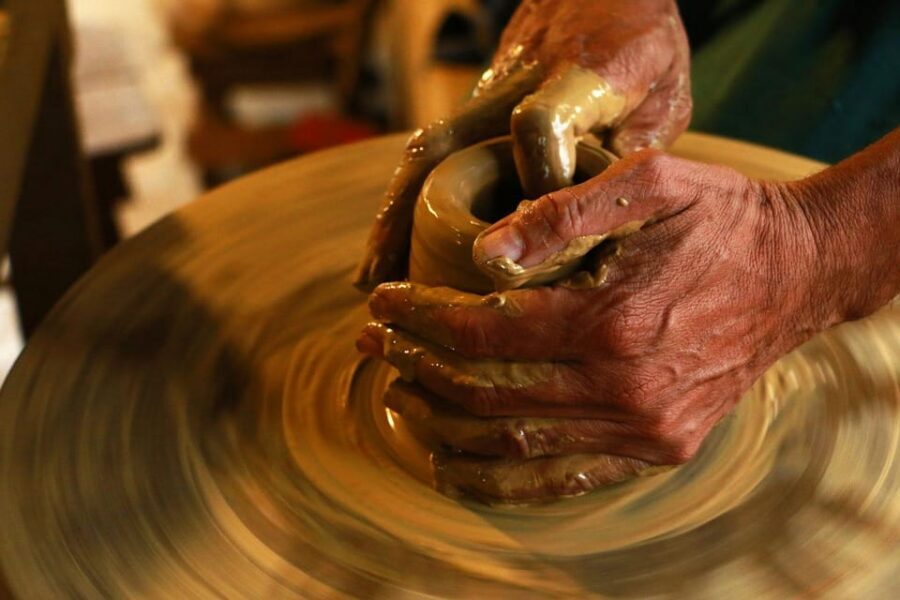
This is the part you’ll care about most: the pottery making experience. You’ll learn step by step how to shape clay with an instructor’s guidance.
What I like about this approach is that it’s not one of those “press a button, take a photo” activities. The workshop is built around the idea that you’ll do the work. And in the best-run sessions, the instructor is patient—helping when your form starts to tilt, when the edges need smoothing, or when your piece needs a quick fix so it holds its shape.
One honest consideration: some sessions can feel very brief at the hands-on stage. In other words, you might see the instructor do more of the work than you expected. If you want a more active role, speak up early and ask how much time you’ll have to shape your own piece before the instructor steps in.
The good news is that the intent of the workshop is clearly to let you create. Even if the instructor assists, you’re still expected to participate in shaping your pottery piece—not just watch.
Tea Break and the Gallery of Cappadocian Ceramics
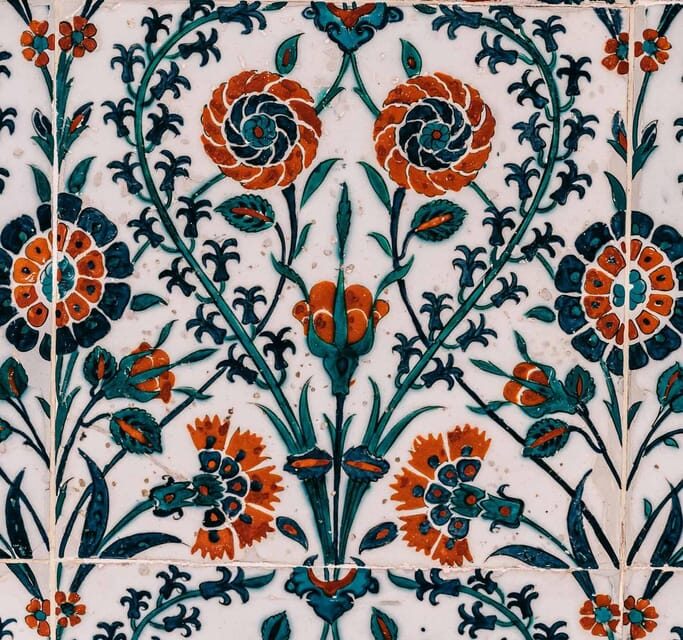
After you create your piece, you’ll get gallery exploration time. The workshop includes a gallery showcasing works of Cappadocian masters, which gives you a useful perspective.
This isn’t just a showroom hangout. The gallery helps you understand what “good” looks like in local ceramics—style details, finish, and the kinds of shapes that are common here. If you’re the type who likes to learn what you’re buying, this part is genuinely valuable.
Then there’s the tea break. Since the workshop is underground and hands-on, a warm break is a practical luxury. You’ll have a moment to slow down, reset, and look around without rushing.
If you’re interested in purchasing items, teammates will be with you in the gallery area to answer questions. The workshop also offers discounted prices for items you consider buying.


The buying factor (and how to keep it fun)
This workshop includes a gallery and a sales component. That doesn’t automatically make it a bad experience—it simply means you should go in with a plan.
If you want to buy something, decide what you’re aiming for before you’re surrounded by tempting options. For example:
- Are you shopping for a small everyday item (like a cup or dish), or a showpiece?
- Is your budget fixed, or are you open to a higher price for something special?
If you don’t want to buy, you can still enjoy it. Just remember that the presence of a gallery means the staff will likely encourage browsing. That’s normal for this kind of workshop setup.
Price and Value: Is $16 Worth It for Pottery in Cappadocia?
At $16 per person, this is priced like an accessible add-on to your day. The value comes from what’s bundled: watching pottery making, hands-on pottery shaping, and a special tea included in the time.
So the real question isn’t just the price tag—it’s what you expect from a short session:
- If you want a quick, guided intro and an object you helped make, the price looks reasonable.
- If you expect a long, highly intensive class with lots of retries, the short format might feel tight.
Also, your perception of value can shift based on whether the instructor lets you do the shaping versus taking over. That’s why it’s smart to arrive clear about your goal: you’re there to create, not just to observe.
Prices in the gallery can also affect whether the experience feels like a bargain or a tease. In one situation, some guests found that small items became more expensive than expected, and they walked away from purchases. If buying matters to you, ask about pricing early and be ready to say no.
Timing, Language, and the Practical Stuff That Makes or Breaks Your Visit
A key detail: after you book, the organizer checks available times during the day and lets you know when you can go. Don’t head over on your own schedule without getting your confirmed time first.
The instructor speaks English and Turkish, so you should be able to communicate even if you don’t speak Turkish. That also helps if you want to ask practical questions like how to adjust your piece or what the steps are.
Finally, transfers are not included. That means you’ll need your own way to reach the underground workshop at Museum cave seramik and return to where you’re staying.
If you’re planning your day in Cappadocia, treat this as a timed appointment you build around—not a flexible stop you can wander into.
Who Should Book This Pottery Watch-and-Try in Cappadocia?
This workshop is a good match if you:
- want a short, guided hands-on activity with an instructor
- like the idea of learning while making, not just taking a photo
- enjoy crafts and want to browse locally made ceramics afterward
- want a break with tea during a culture stop
It may not be the best match if you:
- want hours of pottery practice or multiple different attempts
- strongly prefer experiences with very long hands-on time and minimal instructor takeover
- are trying to maximize value strictly by buying—you may find the gallery prices influence your satisfaction
If you fall somewhere in the middle, the smartest move is to go with the right mindset: expect a guided intro and one main pottery piece, not a full workshop marathon.
Should You Book This Cappadocia Pottery Experience?
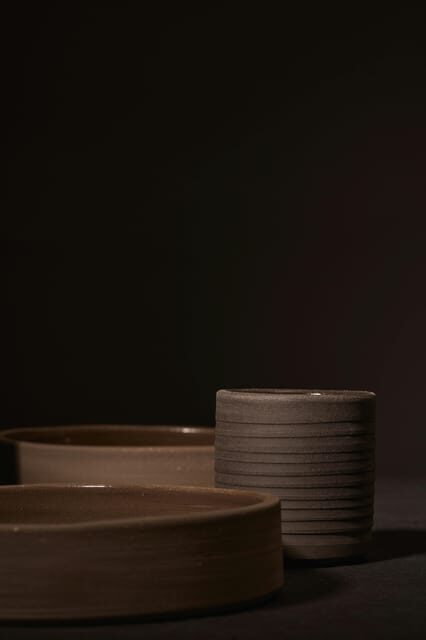
Book it if you want a practical, low-commitment way to try pottery in Cappadocia, with instruction, tea, and a chance to see local ceramic work up close. At $16, the bundle makes sense for many people who want a hands-on cultural activity without burning the whole day.
Skip or look for a different pottery option if you know you’re the type who needs lots of time to experiment and doesn’t enjoy instruction-led shaping where the teacher may correct or finish details. Also, if you’re picky about pricing, be ready to ask about costs early before you decide to purchase in the gallery.
FAQ
Where is the meeting point for the pottery workshop?
The workshop meets at Museum cave seramik, and it’s in an underground location.
How long is the Cappadocia pottery experience?
The duration is about 50 minutes (with pottery activities scheduled within that time window).
What does the $16 price include?
It includes special tea, watching pottery making, and the pottery making experience.
Do I need to arrange my own transport?
Yes. Transfers are not included.
What languages will the instructor speak?
The instructor speaks English and Turkish.
When will I know the exact time for my session?
After booking, the organizer checks available times and informs you of the appropriate time to visit the workshop.
Is there an option to cancel or pay later?
Yes. You can reserve now and pay later, and cancellation is free up to 24 hours in advance for a full refund.