REVIEW · CAPPADOCIA
Cappadocia: Sand-Brewed Turkish Coffee Workshop
Book on GetYourGuide →Operated by TOURMANIA · Bookable on GetYourGuide
Sand makes coffee feel like theater. I love the slow, controlled heat in a cezve, and I love the chance to wear Ottoman-style gear while you learn. One heads-up: the whole session is only 30 minutes, so it moves fast.
This is a straightforward, hands-on workshop where you make traditional Turkish coffee the old way, using sand-heated tools instead of café machines. Guides like Ugur, Kubi, Ozan, and Asli bring the story to life with Ottoman-era and Turkish-coffee context, plus lots of explanation as you work.
The meeting point is at Owl Cave hotel reception, and the area can be a little tricky to reach if a nearby path is closed. Still, for the price, this short class gives you a real skill, not just a sip of something sweet.
In This Review
- Key things you should know before you go
- Turkish coffee on sand: the method you’re actually learning
- Inside the 30-minute workshop: what happens step by step
- Who’s running the show matters: Ugur, Kubi, Ozan, and Asli
- Meeting point at Owl Cave hotel: how to show up without stress
- The coffee and sweets: what you’ll taste (and why it beats café coffee)
- Price and value: is $12 for 30 minutes fair?
- Best time to slot it into your Göreme/Cappadocia day
- Who should book this workshop, and who should skip it
- Should you book Cappadocia’s Sand-Brewed Turkish Coffee Workshop?
- FAQ
- How long is the Cappadocia Turkish coffee on sand workshop?
- How much does it cost?
- Where do I meet for the workshop?
- Is the workshop offered in English?
- How many people are in the group?
- What’s included with the ticket?
- Can I cancel for a refund?
- Is there a reserve now, pay later option?
- Will I get to taste the coffee I make?
Key things you should know before you go
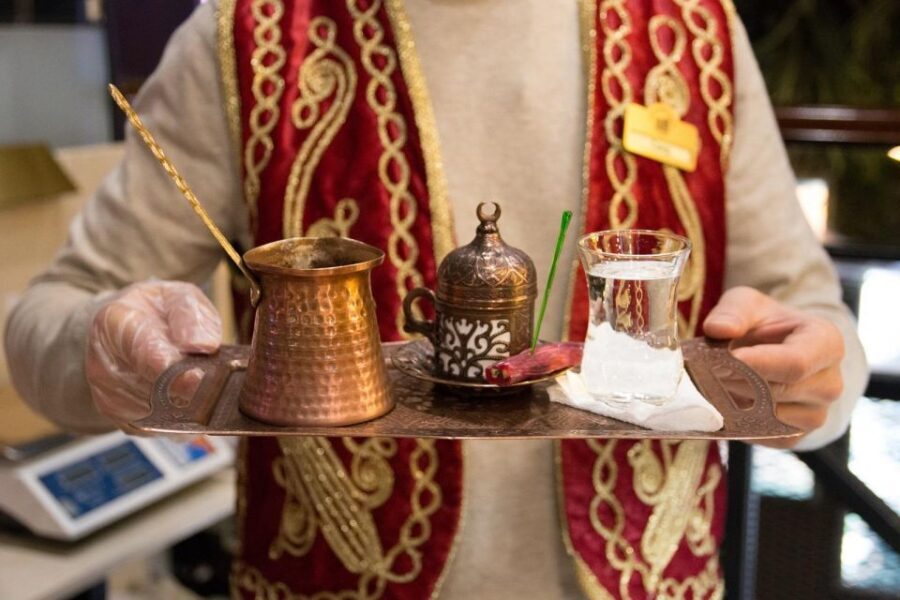
- Sand-brewing is the main event: you learn the Turkish method using a cezve placed on hot sand.
- Short and focused: expect a quick workshop flow designed to finish in about 30 minutes.
- Small group class: limited to 8 participants, with an English host/greeter.
- Traditional extras show up: Turkish tea and sweets like Turkish delight and cake are mentioned often in the experience.
- Dress-up and a fun finale: some sessions include Ottoman-style vests, hats/Fez, and even a fortune reading from your grounds.
Turkish coffee on sand: the method you’re actually learning
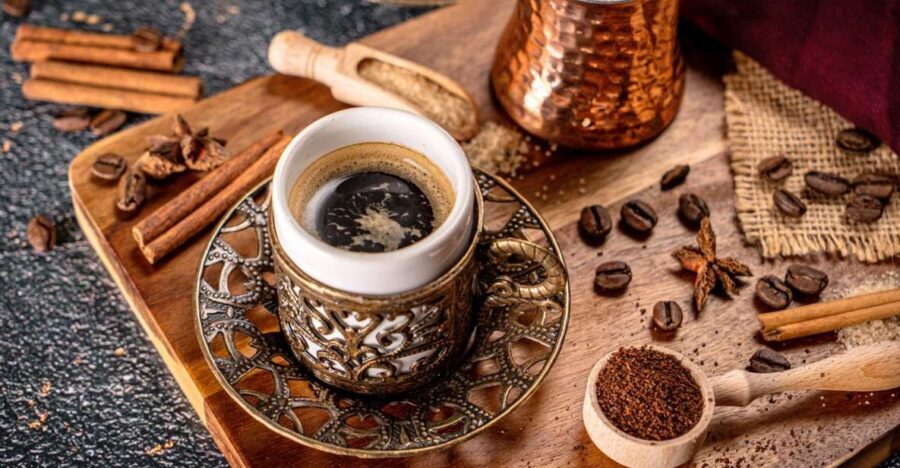
Turkish coffee is not just a drink here. It’s a ritual. And the “sand” part is where the whole experience becomes memorable, because it changes the pace and the texture of the brewing.
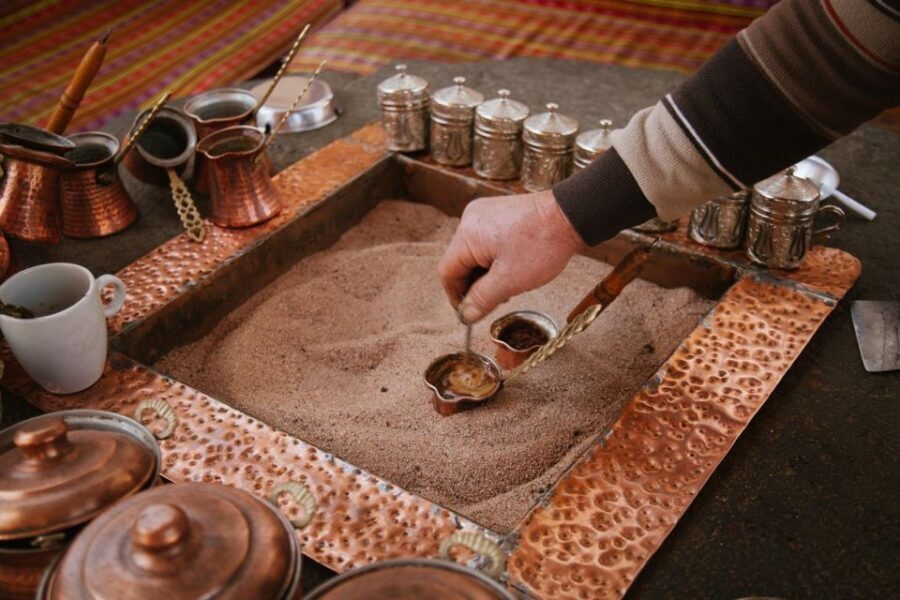
In a sand-brew workshop, the key tool is the cezve, a small copper pot. Instead of relying on a stovetop flame, you warm the cezve by setting it on heated sand. That matters because the heat builds gently and evenly, which helps you get the signature Turkish foam and a strong aroma without rushing the process.
You’ll also hear why coffee became so social in Turkey. The tradition traces back to the 16th century, when Turkish coffee spread into the Ottoman Empire. Over time it became part of everyday hospitality: sharing a cup, offering sweets, and using coffee as a conversation starter.
Other Cooking & Culinary Experiences reviews in Cappadocia & central Turkey


Inside the 30-minute workshop: what happens step by step
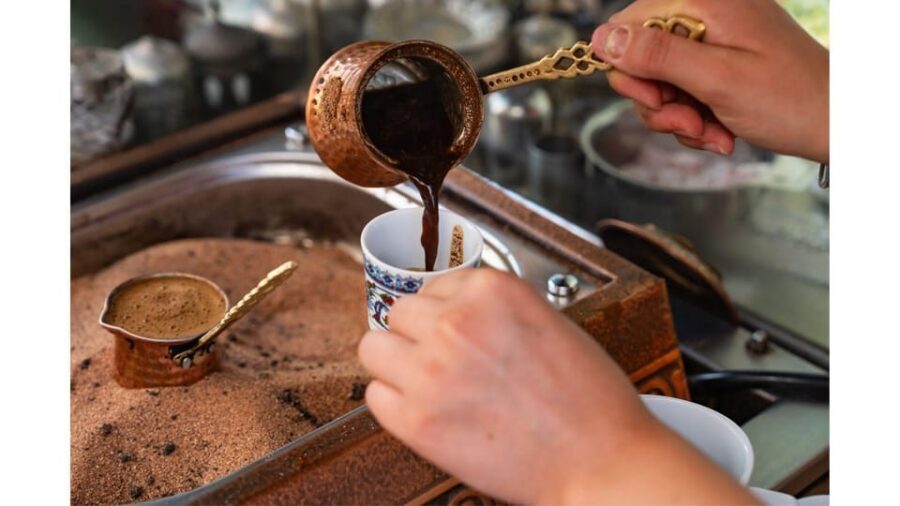
This is a short class, so the flow is designed to be efficient. You’re not watching from across the room. You’re following along closely and making your own coffee.
Here’s the practical way it usually plays out in sand-coffee workshops like this:
First, you start with the basics: coffee beans are ground to a fine consistency. That fineness is important for the texture of the brew, and it’s one of those details you can feel in your hands when you learn the process.
Next comes the mixing step in the cezve: water, coffee, and sugar are combined. This part is where you can learn how sweet you like it, since Turkish coffee is often served with a sweet side and the overall balance matters.
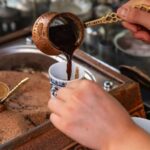
Then the sand heat takes over. You place the cezve on the sand and watch the brew develop. You’re looking for the slow rise and the foamy top, not a quick boil. When it’s done, your coffee is served in the traditional style.
Finally, you drink and you get the cultural add-ons. Many participants describe the session as cozy and story-driven, with a lot of personal attention because the group is capped at eight. Some guides also add playful touches like explaining wedding customs connected to coffee, and they may set aside time for a photo or two while you’re working.
If you’re lucky with your timing, you may also get a fun fortune reading from the grounds at the end. It’s not listed as a guaranteed included item in the core info, but it does show up in the described experience.
Who’s running the show matters: Ugur, Kubi, Ozan, and Asli
This workshop has an English host/greeter, and the teaching style is clearly part of why the rating is so high. People remember the guide because the class combines technique with storytelling.
Different names appear across the session set-up: Ugur, Kubi, Ozan, and Asli. Even though the method is the same, each guide tends to bring their own flavor to the stories.
What you should look for in the teaching approach:
- Clear, step-by-step instructions as you work with the cezve and sand heat
- Ottoman and Turkish-coffee context tied to what you’re doing, not just random facts
- A comfortable pace for questions, even in a fast 30-minute class
- A playful tone, including dress-up moments like vests, hats, and sometimes a Fez
If you care about both coffee craft and culture, this is the kind of activity where the guide’s personality affects how much you take home. In other words, it’s not just a lecture. It’s an event.
Meeting point at Owl Cave hotel: how to show up without stress
You meet at the Owl Cave hotel reception. That’s simple on paper, but the area around Göreme can be a little tricky in real life.
One practical issue: access routes can be confusing, especially if a path is closed. If you’re using maps, be ready to walk and re-route. You may also face a bit of uphill walking when you’re approaching the meeting spot.
My advice: plan to arrive a few minutes early, not because you’ll be late if you’re perfect, but because a closed path can steal time fast. Wear shoes you’re comfortable walking in for a short climb.
Once you’re there, the class is set up to be cozy and photo-friendly, so you won’t feel like you’ve walked into a loud, rushed café line.
The coffee and sweets: what you’ll taste (and why it beats café coffee)
The big promise is that you’ll both prepare and enjoy Turkish coffee. Based on what’s described in the experience, you’re not just getting a tiny sip either.
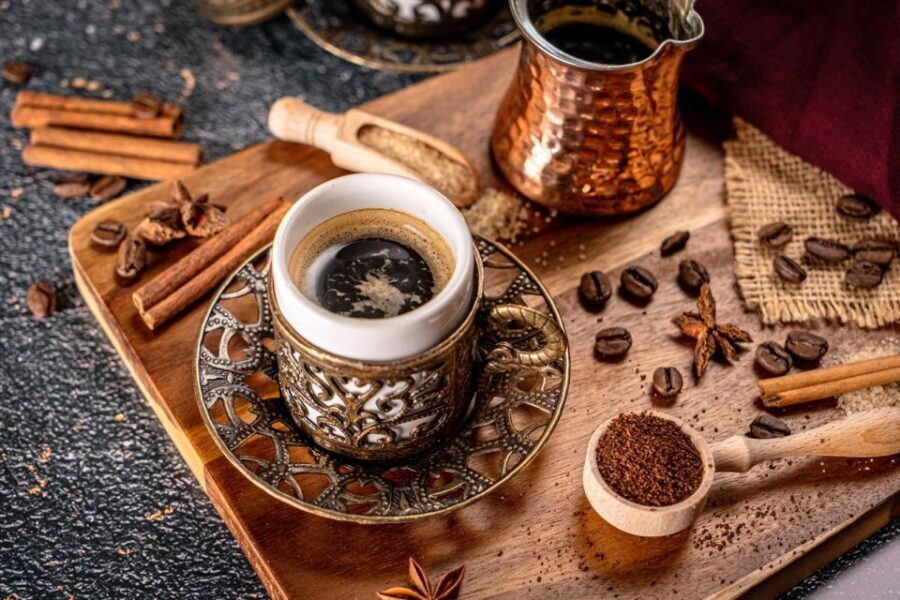
Expect a brewed cup that tastes different from many standard tourist café versions. Several participants specifically point out that the sand-prepared coffee tastes better and is less harsh than the coffee they’ve had at shops where machines do the work.
The sand method can be part of the reason. Heating the cezve by sand changes how the brew develops, and the foam and aroma build slowly instead of instantly. People also mention that the sweetness is balanced, not overbearing, and that the coffee lands smoothly even if they weren’t big coffee drinkers.
And then there are the supporting players:
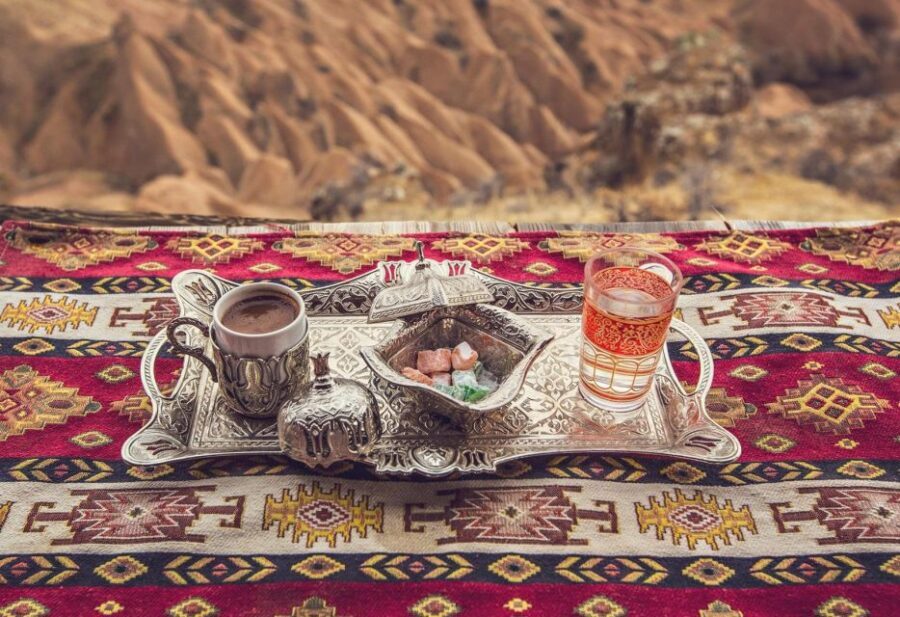
- Turkish tea is mentioned alongside the coffee
- Sweets like Turkish delight and cake show up in the described session
- Some sessions pair the coffee with traditional desserts so you get the full hospitality rhythm
That combination is exactly why this works as a Cappadocia activity. It’s not just coffee class trivia. You leave with a complete taste experience.



Price and value: is $12 for 30 minutes fair?
At $12 per person, you’re paying for a short, instructor-led class plus a served cup of coffee. The real value is in what you learn in a very limited time.
Here’s why it’s often a good deal:
- You get hands-on instruction with a real technique (sand-brewing and cezve method), not just a tasting
- The group is small (up to eight), which helps you actually understand the process
- The experience includes the coffee you make, and many sessions include tea and sweets, which adds real food value on top of the workshop
Is it “cheap” in the sense that you can squeeze it in without thinking? Yes, it’s low-cost. But more importantly, it’s also a smart use of time. If your day already includes Cappadocia sightseeing, you can fit this in and still get something cultural that isn’t dependent on a long ticket line or a full-day tour.
The only price-related caution: because it’s only 30 minutes, it won’t feel like an advanced coffee course. You’re learning the core method and the tradition story, not becoming the world’s next barista.
Best time to slot it into your Göreme/Cappadocia day
Because it lasts about 30 minutes, it pairs well with lighter scheduling days or as a break between longer activities.
I’d place it:
- Early evening, when you want something warm indoors after walking around
- Mid-afternoon, if your Cappadocia route is packed with outdoor stops and you want one grounded indoor activity
- As a solo-friendly plan, since the group size stays small and the guide can focus on you
If your whole trip is built around long tours and nonstop plans, this may feel too short. But if you want a focused, authentic mini-activity, it’s a great match.
Who should book this workshop, and who should skip it
This is a strong fit if:
- You want something hands-on that connects directly to Turkish daily life
- You like culture with practical skills, not just photo stops
- You want an activity that doesn’t require coffee expertise ahead of time
- You’re traveling solo and you still want an organized, friendly setting
It may be less ideal if:
- You’re hoping for a deep, technical coffee class lasting a couple hours
- You strongly dislike sweet drinks or sweets, since the experience commonly includes Turkish tea and traditional sweets alongside the coffee
One nice detail from the experience descriptions: even people who weren’t coffee-focused often end up loving the cup because it’s smooth and not overly bitter.
Should you book Cappadocia’s Sand-Brewed Turkish Coffee Workshop?
If you want a short, authentic Cappadocia activity that gives you a real takeaway skill, I think this is an easy yes. The sand-brew method is memorable. The small group format helps the experience feel personal. And the combination of coffee, sweets, and guide storytelling makes it feel like more than a quick snack stop.
Book it if you:
- Like hands-on cultural activities
- Want a quick indoor break with a warm, cozy atmosphere
- Enjoy learning how something traditional works, not just tasting it
Skip or reconsider if:
- You want a long class or a lot of time to ask follow-up questions
- You don’t care about coffee craft at all and prefer bigger ticket experiences
FAQ
How long is the Cappadocia Turkish coffee on sand workshop?
The workshop runs for about 30 minutes.
How much does it cost?
It’s priced at $12 per person.
Where do I meet for the workshop?
You meet at the Owl Cave hotel reception.
Is the workshop offered in English?
Yes. The host/greeter provides English.
How many people are in the group?
The group is limited to 8 participants.
What’s included with the ticket?
The workshop includes the Turkish Coffee workshop and the Turkish coffee.
Can I cancel for a refund?
You can cancel up to 24 hours in advance for a full refund.
Is there a reserve now, pay later option?
Yes. You can reserve now and pay later.
Will I get to taste the coffee I make?
Yes. The experience includes Turkish coffee, prepared and served in an authentic style. Some sessions may also include a fun fortune reading from the coffee grounds at the end.