REVIEW · GOREME
Cooking Class at Exclusive Kings Valley
Book on Viator →Operated by Kelebek Travel · Bookable on Viator
Cooking meets the valley air in Cappadocia. What I like most is the small-group feel and the chance to shop at an organic market before cooking, then eat your own regional lunch. The one heads-up: they may not hand you recipe notes, so bring a pen and plan to take your own steps.
This is a 4-hour class (start time 10:30 am) in Goreme, set in King’s Valley of Kelebek near scenic viewpoints. You’ll get hotel pickup across Cappadocia, an English-speaking guide, and an intimate kitchen setup—outdoors when the weather cooperates, indoors when it does not.
In This Review
- Key Things That Make Exclusive Kings Valley Different
- Kings Valley of Kelebek: Why This Cooking Class Feels More Local
- Hotel Pickup and the 10:30 am Start That Shapes Your Day
- The Organic Farmer’s Market Stop: Where You Learn to Choose Ingredients
- Cooking With Village Women at the Kelebek Patio Kitchen
- The Menu You’ll Cook and Eat: Soup, Stuffed Vegetables, Chickpeas, and Halva/Asida
- Starters
- Mains
- Dessert
- The lunch moment
- Small Group Size (Up to 12, 10 Participants) and Why It Matters
- English Support, What to Bring, and Comfort Tips That Actually Help
- Price and Value: Is $129.31 Worth It in Cappadocia?
- Who Should Book This Cooking Class in Goreme?
- Should You Book Exclusive Kings Valley Cooking Class?
- FAQ
- What time does the cooking class start?
- Is hotel pickup included?
- How long is the class?
- What language is the class offered in?
- How many people are in the group?
- What kind of clothing should I wear?
- How will I receive my ticket?
- What happens if I need to cancel?
Key Things That Make Exclusive Kings Valley Different
- Organic produce shopping first, not just cooking at a kitchen table
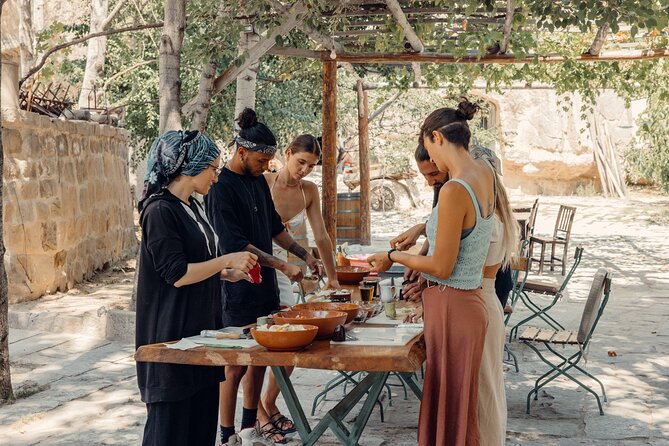
- A patio-kitchen setting in King’s Valley of Kelebek, with outdoor cooking when conditions allow
- Village women teaching the techniques, so it feels less like a demo and more like learning a home style routine
- Small limits (10 participants, up to 12 travelers) for quieter, more personal attention
- A full lunch built around what you cook, including soup, stuffed vegetables/eggplant, chickpeas, and a regional dessert like halva/asida
Kings Valley of Kelebek: Why This Cooking Class Feels More Local
Cappadocia has plenty of tours. This one leans the other direction: food, people, and a valley setting that makes the day feel grounded.
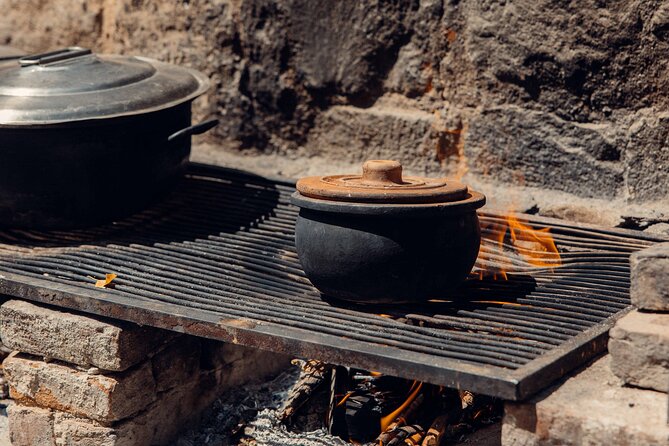
You start with the valley drive to King’s Valley of Kelebek, and once you’re at the cooking space you get the sense that this is built for normal village life. Several classes are described as set around a cottage-style outdoor patio area, with grape vines overhead and a dining setup that feels real, not staged.
The biggest payoff is that the cooking isn’t generic Turkish food. It’s regional, home-cooked style. You’re learning dishes you’re more likely to re-create later at home, not just food that exists only in a restaurant kitchen.
And yes, the views matter. One class highlights Uçhisar Castle looking out over the area while shopping and cooking. Even if you don’t care about the scenery, being surrounded by it changes the tone of the afternoon—you snack less, pay closer attention, and actually enjoy the process.
If you're still narrowing it down, here are other tours in Goreme we've reviewed.


Hotel Pickup and the 10:30 am Start That Shapes Your Day
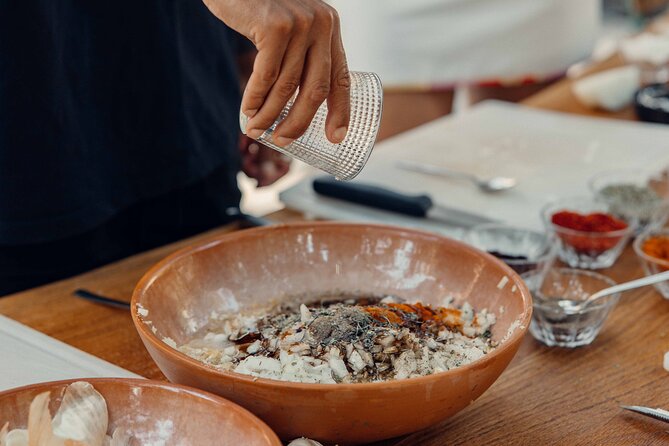
Timing is simple here: the class starts at 10:30 am, and pickup is offered from any hotel in Cappadocia. That matters because you’re not spending your morning figuring out local transport to a valley area.
In practice, it means you can plan your day like this:
- Morning: you’re picked up, you ride to King’s Valley of Kelebek, and you get oriented.
- Late morning into afternoon: market time, cooking time, then lunch.
The session runs about 4 hours. That’s long enough to learn, chop, cook, and eat together. It’s also short enough that you can still do other Cappadocia stuff the same day—like a viewpoint walk or a sunset plan—without feeling like you signed up for the whole day.
The Organic Farmer’s Market Stop: Where You Learn to Choose Ingredients
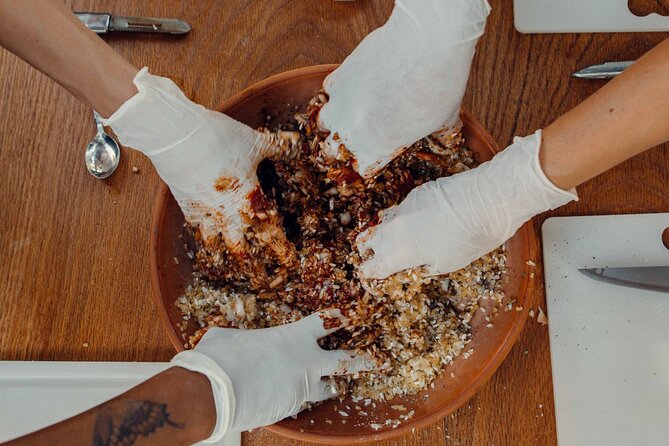
One of the most loved parts of this experience is the ingredient shopping. You go to a local organic farmer’s market area before you cook, so you aren’t just waiting for food to appear.
This is where you’ll get better at one of the hardest parts of cooking Turkish food: choosing ingredients that actually taste like they should. You’re picking what ends up in your soup and mains, and you’ll likely hear explanations from the people running the stall or the cooking hosts about how things are produced.
A particularly memorable detail from one class: learning how grape molasses is made. Even if your kitchen skills are basic, that kind of context helps you understand why Turkish sweets and sauces taste the way they do. You’re not just following steps—you’re connecting flavor to source.
If you’re picky about how a tour feels, this market stop is usually the fix. It breaks up the day so you’re not trapped inside a single room. And it gives you a quick, authentic glimpse of food culture that you can’t get from a restaurant.
Cooking With Village Women at the Kelebek Patio Kitchen
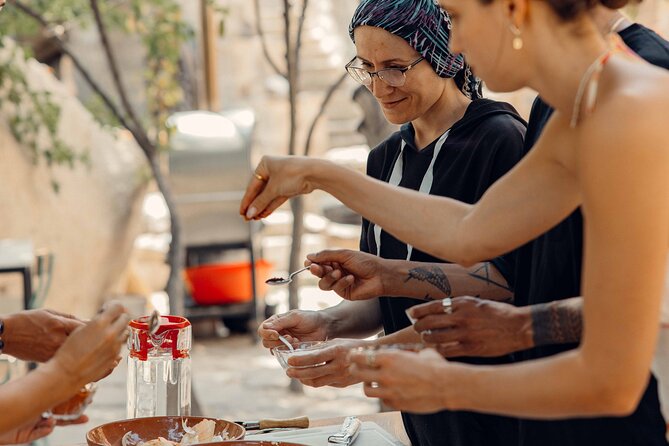
When you arrive at the cooking area in King’s Valley of Kelebek, you move into the hands-on part of the day. This is where the class turns from sightseeing into actual learning.
The teaching setup is described as a group cooking experience alongside local village women. English support is offered, and the guides/translator support has come up by name in different classes—Kadir, Tuğba, and Seçil. Even when a cooking instructor doesn’t speak much English, the overall vibe is friendly and expressive, and the cooking itself is visual and step-by-step.
What you’ll likely do during the cooking block:
- prep vegetables and fillings (think stuffed items)
- work through soup and chickpea components
- follow timing so dishes finish around lunch
A key detail: the kitchen setup can switch based on the weather. Some classes describe cooking outside under vines when it’s nice, while others mention indoor cooking if conditions are poor. Either way, the setting stays charming and functional, not cramped or chaotic.
If you’re traveling as a couple, this is one of the better formats. Several people mention it as a highlight for honeymoons. The setting feels calm, the group stays small, and you’re not just watching a chef do tricks—you’re cooking and eating together.
The Menu You’ll Cook and Eat: Soup, Stuffed Vegetables, Chickpeas, and Halva/Asida
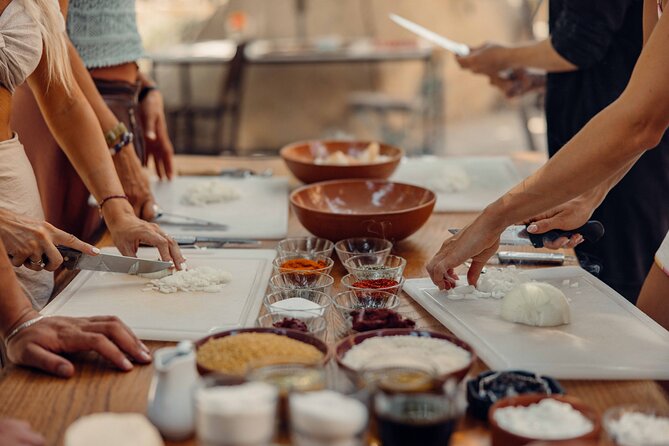
Here’s what you can expect to cook. The class menu is built around regional favorites, and multiple classes mention similar dishes even if the exact mix can vary a bit day to day.
Starters
You’ll work on soup first, with options like lentil soup or yogurt soup. Soup is a smart starter in a class like this. It teaches seasoning and texture, and it doesn’t require you to be a master of timing right away.
You’ll also make potato salad and a salad course. These are helpful because they teach you Turkish-style handling of fresh ingredients—how they balance with herbs, acidity, and simple dressings.
Mains
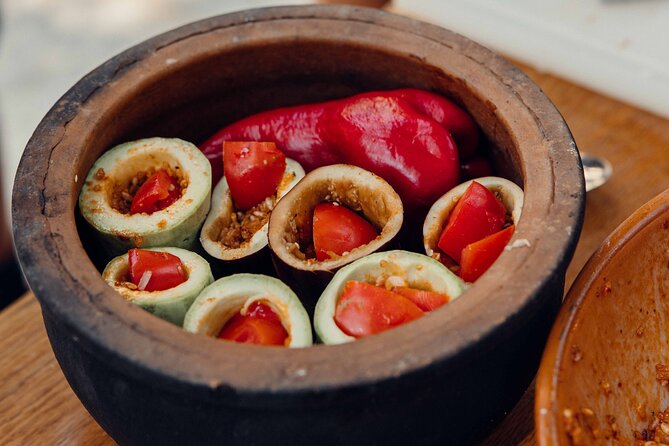
The main focus is on stuffed vegetable cooking. The sample dishes list stuffed peppers and eggplant, and other classes mention sarma as part of the stuffed-vegetable tradition.
You’ll also cook chickpeas, which typically gives the meal a hearty, satisfying base.
Dessert
Dessert is listed as Aside, a regional dessert. People also specifically mention halva in class experiences, so you’ll want to treat this as the sweet you’ll make and eat on-site. Either way, it’s the kind of finish that makes the meal feel complete, not like you just took a cooking class and left hungry.
The lunch moment
The best part about the lunch here is that it’s not an add-on. It’s the food you prepared. That sounds obvious, but it changes how you taste. You pay attention to what you did. You notice the salt level. You understand the difference between cooked and raw flavors because you were part of the process.
Small Group Size (Up to 12, 10 Participants) and Why It Matters
The class caps at 12 travelers, and it’s often described as 10 participants for an intimate experience. That size range matters more than you might think.
With a smaller group:
- you get more hands-on time at the stations
- instructors can correct little mistakes quickly
- you spend less time waiting for your turn
- the cooking pace feels relaxed instead of rushed
One class experience even turned into a private setup when only one person booked. That tells you the operator is set up to scale attention depending on turnout. If you like quieter learning, this is a good sign.
Also, smaller groups tend to keep the day feeling personal. It’s easier to ask questions. It’s easier to understand instructions when they’re step-by-step. And it’s easier to actually enjoy the valley setting instead of feeling like you’re moving through it like a bus stop.
English Support, What to Bring, and Comfort Tips That Actually Help
The experience is offered in English, and pickup is organized from hotels across Cappadocia. That means the language side is handled, at least at the guide/translator level.
A practical tip from how these classes are described: you may not receive printed recipe notes. So bring a pen and plan to write down steps as you go. If you like to cook later, this is the difference between a fun day and a day you can repeat at home.
Comfort-wise, the guidance is straightforward: wear comfortable clothes and shoes. Since the day may include a short walk down toward the cooking area (some classes mention a short hike), you’ll appreciate shoes that handle uneven ground without making your feet unhappy.
And if you’re the type who likes to photograph food, remember the best pictures often happen during ingredient shopping and the outdoor cooking moments. So keep your phone charged and ready before you start chopping.
Price and Value: Is $129.31 Worth It in Cappadocia?
At $129.31 per person for about 4 hours, this isn’t a bargain cooking class. But it also isn’t just a sit-and-watch workshop.
You’re paying for a package that typically includes:
- hotel pickup within Cappadocia
- ingredient shopping at a local organic market
- hands-on instruction from village women
- a full lunch made from the dishes you helped create
- English-speaking guidance
- a small-group setting that helps you get real attention
When a class includes transport plus the market ingredient component plus the meal, the cost tends to make more sense. Many activities in Cappadocia charge you for the view. Here, you’re paying for learning plus food plus a place in a real valley day.
So for value, I’d frame it like this: if you want cooking skills you can actually use again, and you enjoy local food culture beyond restaurant meals, the price can feel fair. If you mainly want a cheap activity or you want printed recipes handed to you, you might want to consider other options or ask what materials you’ll get in advance.
Who Should Book This Cooking Class in Goreme?
This experience is a strong fit if you:
- want a hands-on Cappadocia cooking class instead of a passive tour
- enjoy Turkish home-style food, especially regional dishes
- like small groups and guided learning with local hosts
- want a lunch that feels like part of the experience, not an afterthought
- are visiting Goreme and want something calm and authentic in between viewpoint days
It’s also a good choice for couples. The setting is peaceful, the meals are shareable, and the pace doesn’t feel like a theme-park line.
Should You Book Exclusive Kings Valley Cooking Class?
If you’re choosing between another valley activity and a food-focused day, I’d lean toward this one. The combination of market ingredient shopping, village instruction, and eating what you cooked is a rare mix.
Book it if you’re excited by the idea of learning how Turkish dishes are built—from soup to stuffed vegetables to chickpeas to a regional sweet. The small-group limit and the patio setting help the day feel personal and not rushed.
Skip it only if you really need printed recipe notes, or if you’re uncomfortable with being outdoors and cooking in a valley environment that may change with weather.
If you want to leave with a belly full of local flavors and a clearer sense of how these dishes come together, this is a smart use of a morning in Cappadocia.
FAQ
What time does the cooking class start?
The experience starts at 10:30 am.
Is hotel pickup included?
Yes. Pickup is offered from any hotel in Cappadocia.
How long is the class?
It lasts about 4 hours.
What language is the class offered in?
The class is offered in English.
How many people are in the group?
It has a maximum of 12 travelers, with 10 participants noted as keeping the experience intimate.
What kind of clothing should I wear?
Comfortable clothes and shoes are recommended.
How will I receive my ticket?
You receive a mobile ticket.
What happens if I need to cancel?
You can cancel for a full refund up to 24 hours before the experience’s start time.