REVIEW · CAPPADOCIA
Visit to Cappadocia ceramic workshop and carpet store
Book on GetYourGuide →Operated by Highline Cappadocia Travel · Bookable on GetYourGuide
Cappadocia pottery and carpets come with stories. This 2.5-hour visit pairs a women’s carpet co-operative with a ceramics workshop, so you’re not just looking at pretty goods—you’re seeing how skilled people turn local materials into products you can actually take home. It also helps you shop with more confidence, since you’re guided to workshops focused on traditional methods and fair practice.
I especially like the chance to watch carpet weaving in a women-run co-operative setting, where the work is passed through generations. I also like the pottery side because you get a clear demonstration of how pieces are made and you can often try making pottery yourself during the visit.
One thing to consider: if you’re hoping for lots of hands-on pottery time, make sure you’re aligned with the level of participation. This experience includes pottery-making, but the balance between doing vs. watching demos can vary depending on the day and how the workshop runs.
In This Review
- Key things I’d plan around
- Where Cappadocia’s trade past shows up in your shopping
- Women’s co-operative carpet workshop: watch the weaving, understand the why
- What to watch for while you’re there
- Cappadocia pottery workshop: clay sourcing, a demo, and a try-at-it moment
- Red clay and white clay (and why it matters)
- The pottery-making experience
- Timing, transport, and what a private group really means
- Price and value: $30 for craft viewing plus a hands-on pottery try
- What to buy (and how to not end up with regret)
- Carpets
- Ceramics
- A good rule: match your purchase to your interest
- Who this experience is best for
- A note on expectations for pottery hands-on time
- Should you book this Cappadocia ceramic workshop and carpet stop?
- FAQ
- Where does this experience take place?
- How long is the visit?
- How much does it cost?
- What’s included?
- Do I only watch pottery, or can I try making it?
- Is there a private option and what language support is offered?
Key things I’d plan around
- Women’s co-operative carpet workshop: you’ll see weaving skills tied to long-term training and financial independence
- Pottery demo with a try-at-it moment: you’ll watch how a piece is made and you may be able to make your own pottery at no extra cost
- Shopping support with fewer regrets: you get access to workshops where you can ask questions before you buy
- Local materials explained: you’ll hear how red clay and white clay are sourced and used for regional style
- Private 2.5-hour format: pickup and drop-off keep the day efficient, especially if you hate scrambling between stops
Where Cappadocia’s trade past shows up in your shopping
Cappadocia is one of those places where shopping isn’t just retail. It’s tied to trade routes—this region sat on the Silk Road for centuries, and people from many cultures were involved in business here. That’s a big reason you’ll see workshop-style shopping: carpet workshops, pottery studios, leather work, plus regular shopping areas for textiles, food, and clothing.
What makes this kind of tour useful is the filter. Instead of wandering into shops at random, you’re guided to places where the main point is the craft—so the buying part feels grounded in what you just watched. And in a region where handmade items can range from truly skillful to outright imitation, that guidance matters.
You’re also in a sweet time window: about 2.5 hours. That’s long enough to watch, ask questions, and try a simple pottery step, but short enough that you’re not trapped all afternoon.
If you're still narrowing it down, here are other tours in Cappadocia we've reviewed.



Women’s co-operative carpet workshop: watch the weaving, understand the why
The carpet part centers on a women’s co-operative carpet workshop. You’ll be able to watch weaving, and the visit is designed to show you the human side of the craft, not just the end product. The idea here is that co-operatives help women gain financial independence and confidence, especially in places where women’s economic contribution can be limited compared with men.
In practical terms, what you’re buying (or not buying) becomes clearer. Carpet weaving isn’t one quick task—it’s skill built over time. The tour explanation also emphasizes that many workshops train women in techniques that are then passed to the next generation. So when you see looms and ongoing weaving work, it’s not a one-day performance. It’s the working system behind the carpets.
What to watch for while you’re there
You’ll likely get a guided walkthrough of how the craft works, but you can still pay attention to a few things that help you shop smarter:
- Look at the uniformity of the weaving patterns. That’s where quality often shows.
- Ask about how long a piece takes to make, not just the final price.
- Notice whether the shop feels like it’s about education and process, not only fast sales.
The tour also tries to reduce shopping stress. If you worry about buying a fake or paying too much, you’ll be guided to trustworthy people in the market so you can make a more informed choice.
Cappadocia pottery workshop: clay sourcing, a demo, and a try-at-it moment
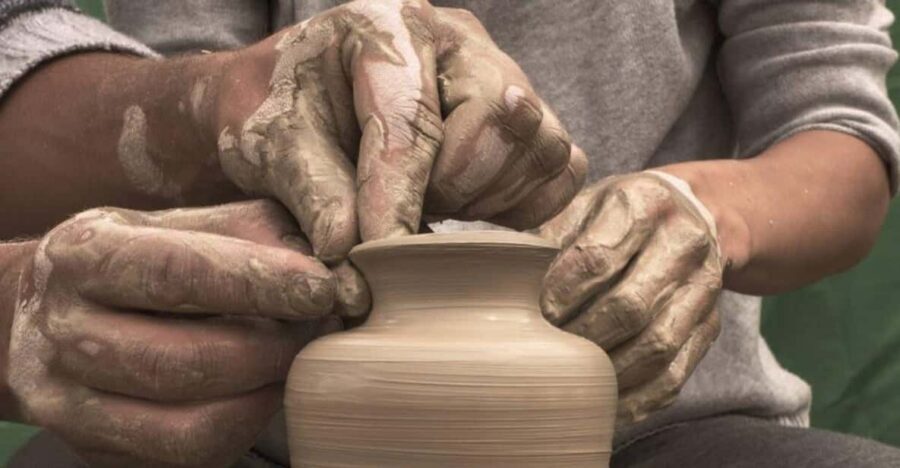
The pottery stop is where the visit shifts from fiber to earth. You’ll see a pottery workshop that’s described as family-run for generations, with pottery as an art practiced across long stretches of time. You’ll also get some concrete history: pottery art is suggested to have roots around 1750 B.C with Hittites in Anatolia, and the point of the visit is that some families are still continuing the tradition with patience and energy.
Red clay and white clay (and why it matters)
During the visit, you’ll hear about local materials:
- Red clay comes from the Red River, described as about 1355 km long
- White clay comes from rocky parts of Cappadocia
Even if you don’t nerd out on ceramics (you’re allowed), this helps you understand why regional ceramics look the way they do. Color and texture start with what’s available. And when you learn the sourcing story, you’re less likely to treat everything like generic souvenir pottery.





The pottery-making experience
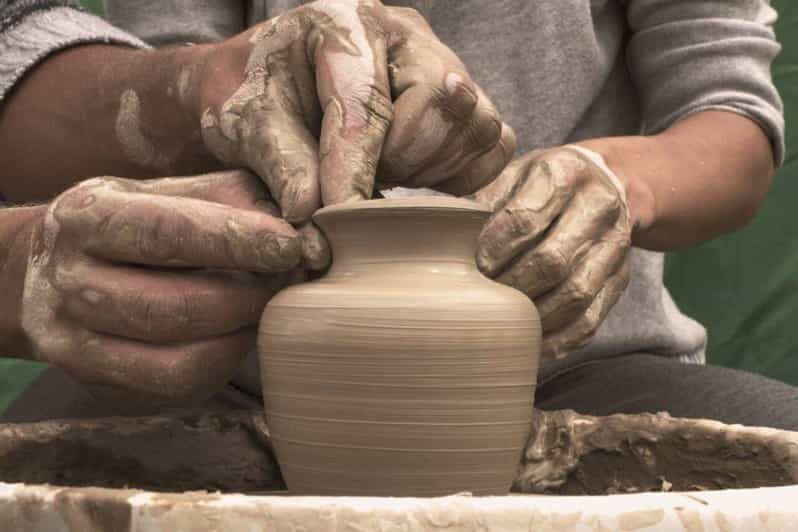
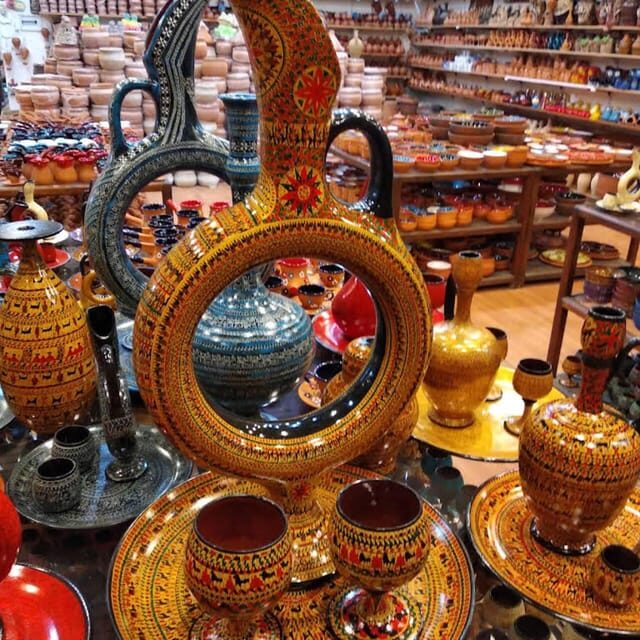
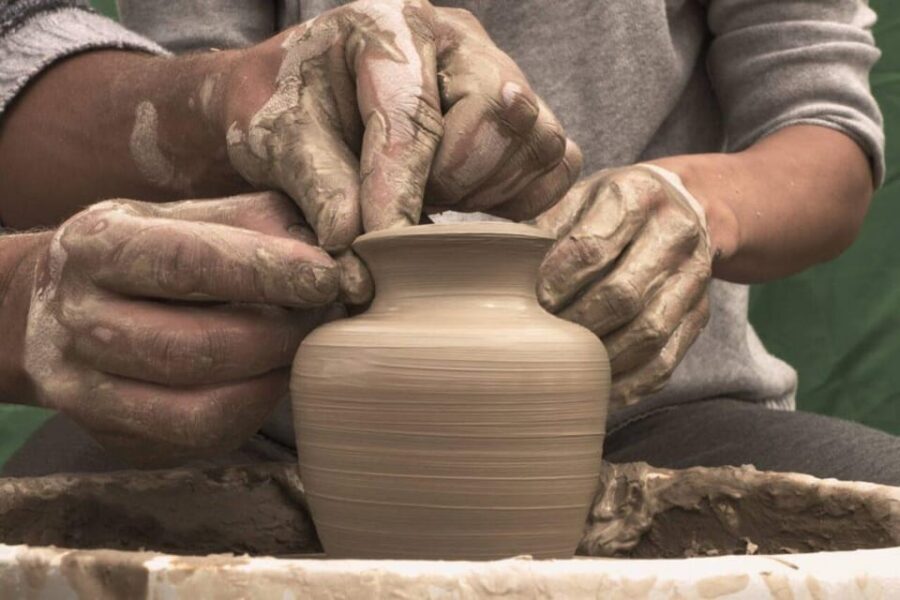
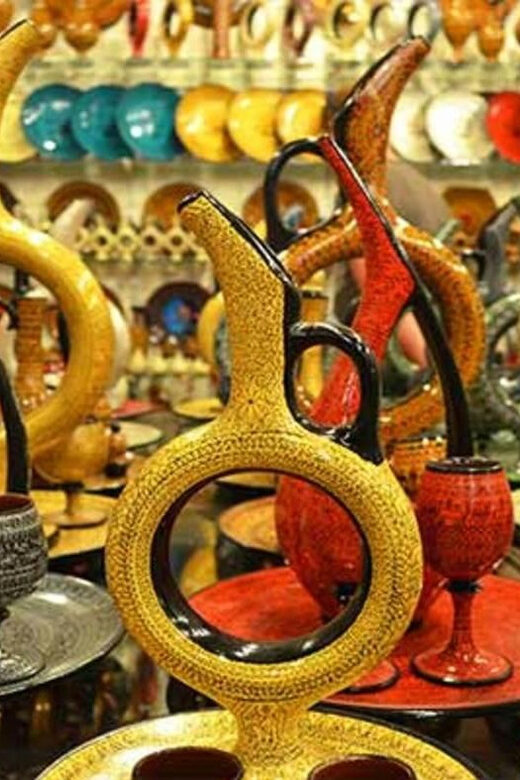
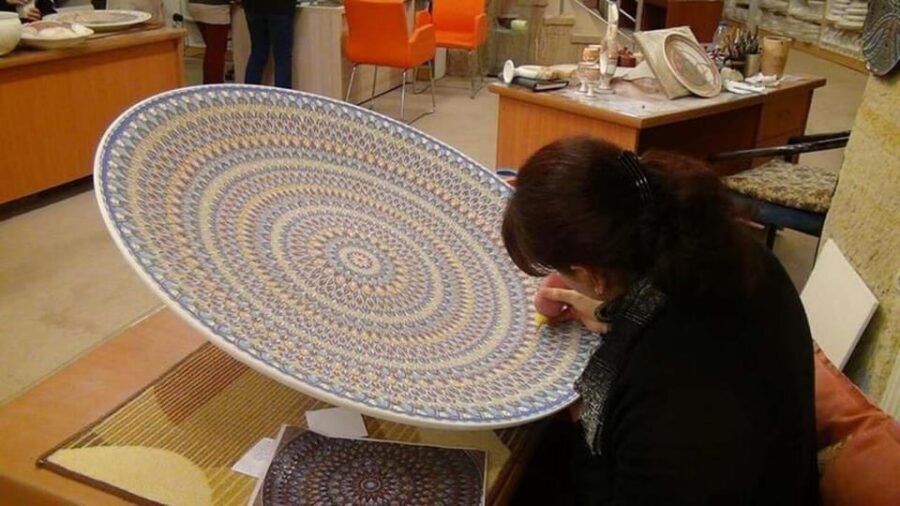
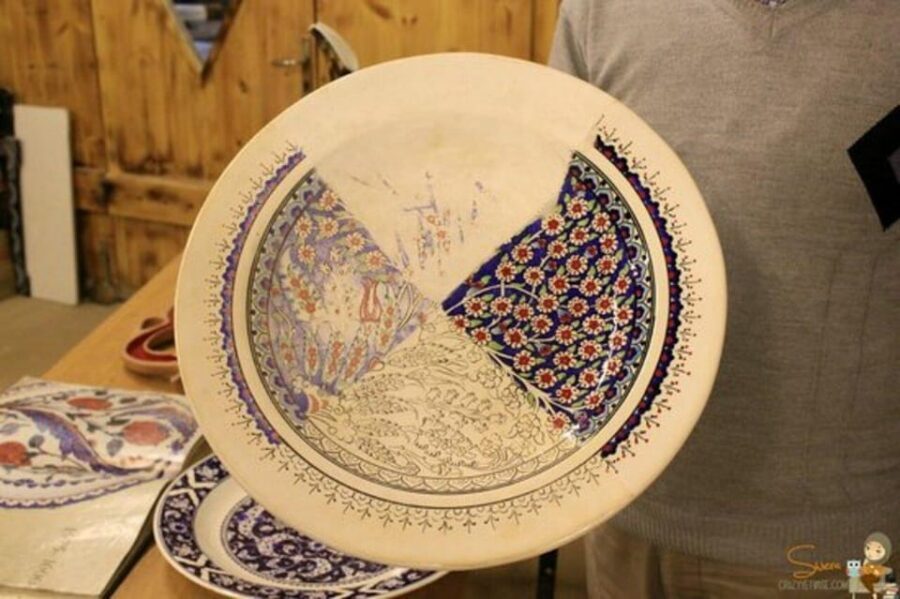
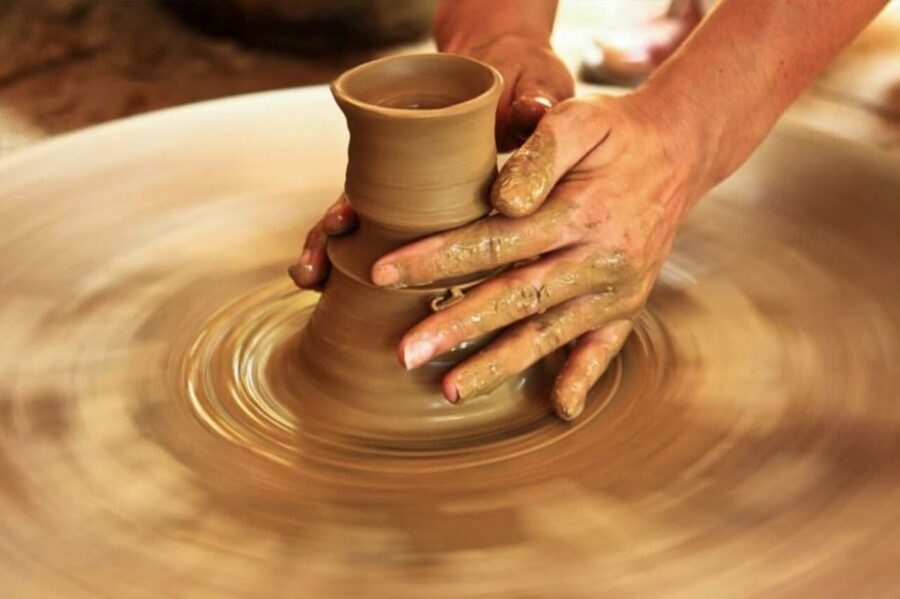
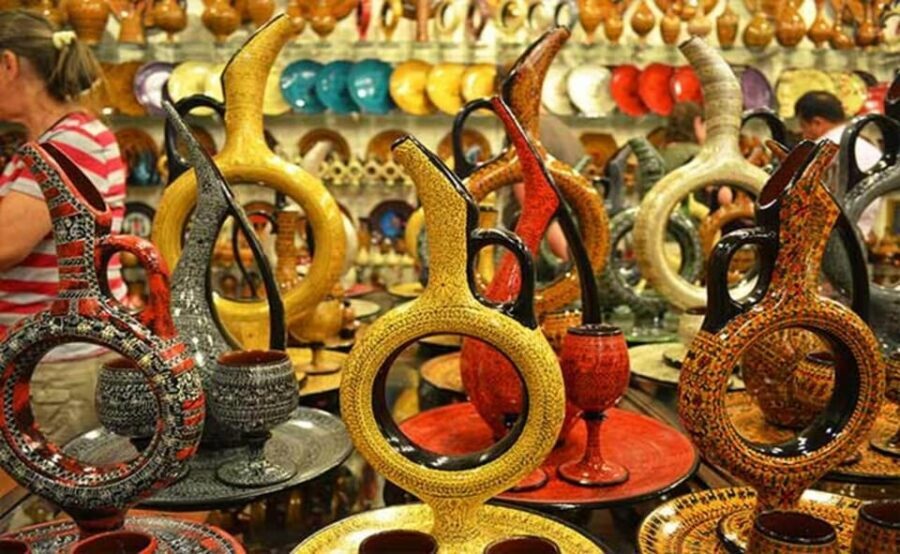
You’ll get a demonstration of how a piece is made. Then, if you want to try, you can make pottery during the visit, with the cost described as nothing for the try-at-it part. After the demonstration, you’ll also be shown hand-made pieces of pottery and ceramics with styles and colors specific to the region.
A quick mindset adjustment helps here. Many workshops don’t turn you into a master potter in one session. The value is in understanding the steps and making something simple enough to get your hands involved, not in expecting showroom-perfect results from your first attempt.
Timing, transport, and what a private group really means
This is set up as a private group for about 2.5 hours, with pickup and drop-off by car and driver. For me, this is a big part of the value. Cappadocia has a lot going on, and it’s easy to waste time moving between stops. Here, someone handles the driving so you can focus on the workshops.
Because it’s private, you’re also more likely to get questions answered directly rather than waiting your turn in a larger group. If you want to ask about materials, time-to-make, or what’s actually worth buying, this format makes it easier.
You might also meet a friendly driver—one example name that shows up in past experiences is Mehmet, praised for being easy to talk to and kind. Even if your driver is someone else, the point is the same: you’ll want a calm, communicative start and finish.
Price and value: $30 for craft viewing plus a hands-on pottery try
At $30 per person for roughly 2.5 hours, the price feels fair because you’re paying for more than entry. You’re getting:
- guided access to both a carpet co-operative and a pottery workshop
- a pottery-making component included in the experience
- car pickup and drop-off via car and driver
If you’re only interested in browsing shops, you can do that on your own. But you’re also paying for a smoother path through two different crafts—plus the explanation that helps you avoid bad buys. The tour specifically aims to connect you with reputable people for carpet shopping, which is where a little guidance can save you real money.
So the real value isn’t just the craft; it’s the reduction of uncertainty. You’re less likely to leave thinking you paid too much or bought something that isn’t what you hoped it was.
What to buy (and how to not end up with regret)
You don’t have to buy anything. But if you do, go in with a plan.
Carpets
Carpets are the biggest-ticket item for many people, and the tour’s pitch is that they help you avoid fakes and overpaying. Still, you’ll do yourself a favor by:
- asking direct questions about what you’re looking at
- comparing the piece in front of you to other options you’re shown during the workshop segment
- taking your time before deciding
If you’re unsure, treat your first visit as research. You can decide later whether a carpet truly fits your home and your budget.
Ceramics
Pottery is usually easier to buy because it tends to be smaller and more straightforward to evaluate. Since you’ll watch the process and see the regional style and colors afterward, you’ll be more able to judge what feels authentic to you.
A good rule: match your purchase to your interest
If you’re there because you like craft, you’ll probably enjoy small ceramic pieces even if you don’t want a carpet. If you’re there because you want a statement piece, carpets might be the focus—but expect more decision-making time.
Who this experience is best for
This tour fits best if you:
- like craft-based shopping more than typical souvenir stops
- want to watch women weaving carpets in a co-operative setting
- enjoy pottery demonstrations and want at least a chance to try making something
- prefer a private, short-format activity with pickup and drop-off
It’s a strong choice if your schedule is tight. It’s also a good fit if you want to understand what you’re buying before you buy.
A note on expectations for pottery hands-on time
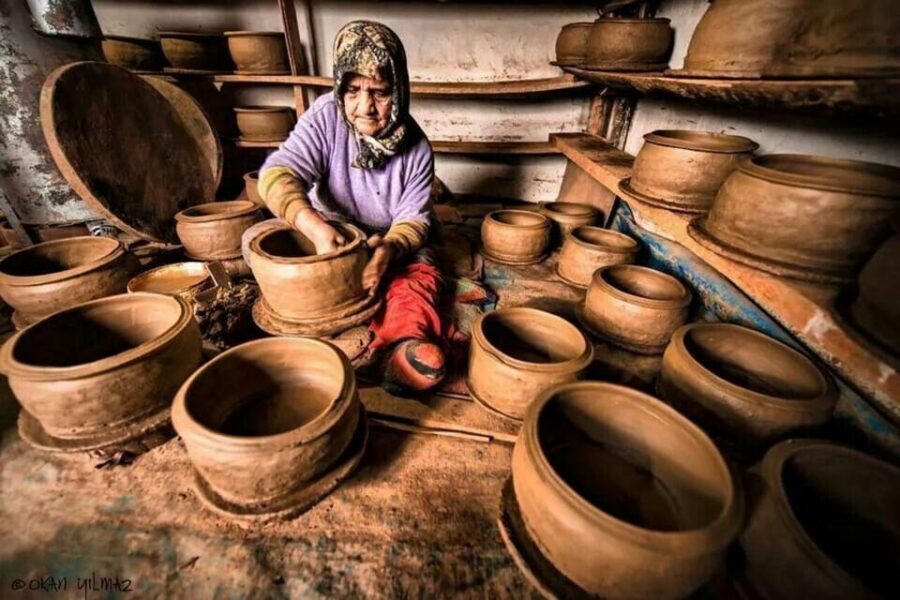
You’re told that pottery-making is included, and the visit describes a pottery demonstration plus a chance to try. Still, any one workshop day can vary, and it’s possible you’ll spend more time observing than actively making.
If hands-on is your top priority, I’d go in with a simple approach: be ready to participate where they invite you, and ask early how much of the time is spent actively making vs. watching.
Should you book this Cappadocia ceramic workshop and carpet stop?
Book it if you want a compact 2.5-hour experience that pairs two crafts—carpet weaving and pottery—with real context for what you’re seeing and buying. The included pottery try and the private pickup-and-drop-off format make the time feel well spent, especially at the $30 per person price point.
Skip it or be cautious if you’re expecting a long, fully instruction-led pottery class with lots of supervised wheel time. This experience is designed as a craft visit with a demonstration and a try-at-it moment, not a multi-session studio course.
If you like practical guidance and want to shop with fewer doubts, this is a sensible way to spend part of your Cappadocia day.
FAQ
Where does this experience take place?
It takes place in Cappadocia, Turkey.
How long is the visit?
The duration is 2.5 hours.
How much does it cost?
The price is $30 per person.
What’s included?
It includes car and driver, pickup and drop-off, and pottery making.
Do I only watch pottery, or can I try making it?
The experience includes a pottery demonstration, and you also have the option to try making pottery during the visit.
Is there a private option and what language support is offered?
It’s listed as a private group, and the host or greeter may speak Chinese, English, French, Italian, Japanese, Portuguese, Spanish, Turkish, Russian.