REVIEW · GOREME
7 Days Istanbul, Cappadocia and Ephesus Tour
Book on Viator →Operated by Pupa Travel · Bookable on Viator
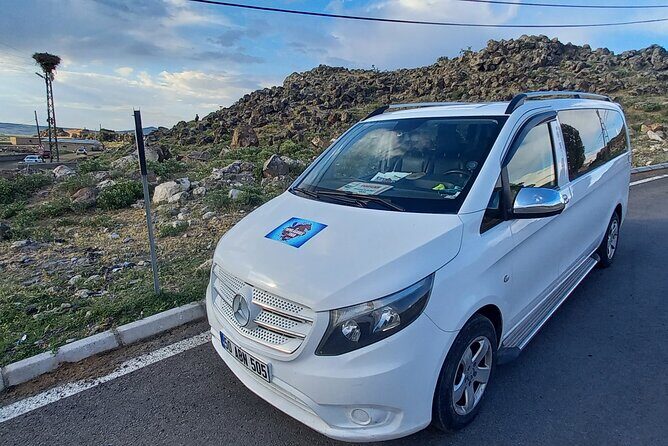
If you love big sights with smooth logistics, this fits. This 7-day route strings together Istanbul, Cappadocia, and Ephesus with private guiding and a comfortable A/C minivan, plus pickup from Istanbul airport and transfers between regions. You’ll also get mobile tickets, so day-to-day tickets don’t turn into an extra chore.
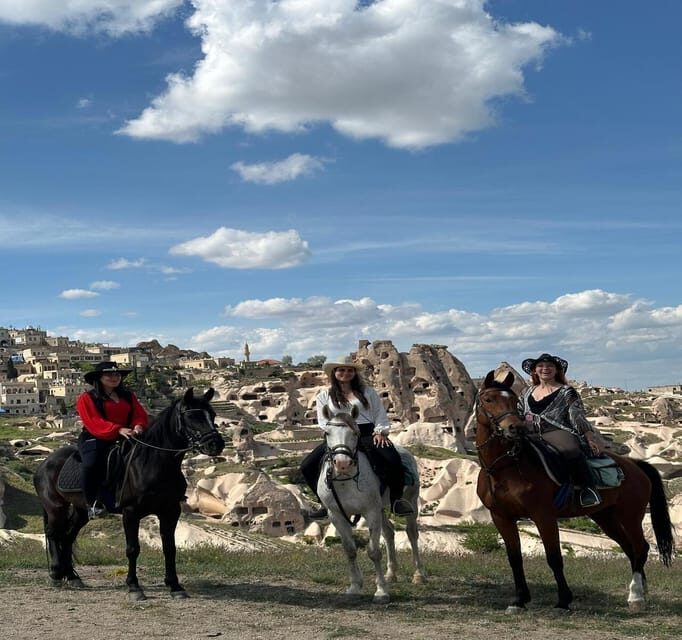
I really like two parts of this trip’s design: the way it mixes Ottoman, Roman, and Mediterranean scenes without leaving you to figure things out alone, and the focus on Cappadocia sights that are made for cameras. In Cappadocia, you’ll hit spots like the Goreme Open Air Museum and Uchisar Castle with Pigeon Valley views, plus time at Devrent Valley and Pasabag for those iconic fairy-chimney formations.
One drawback to consider is the pace and the amount of moving between regions. You’re doing lots of walking inside major sites, then switching gears to drives (and flights) that keep the schedule moving. If you hate changeovers, plan for a bit of daily “on-the-go” energy.
In This Review
- Key highlights I’d circle before you book
- From Istanbul Airport to the Old District: the trip’s smart start
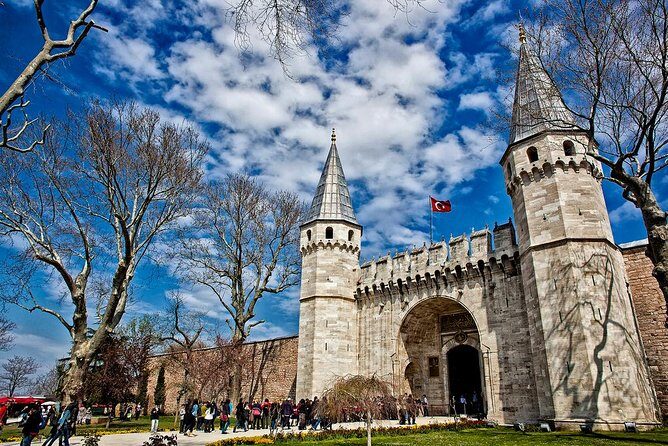
- Blue Mosque, Topkapi Palace, and the Ottoman spine of Istanbul
- Grand Bazaar and the Spice Market walk: shopping with direction
- Hagia Sophia, Basilica Cistern, and the Bosphorus cruise for a full Istanbul day
- Getting to Cappadocia: why the transition day still matters
- Cappadocia day: Devrent, Pasabag, pottery, Goreme Open Air, and major viewpoints
- Underground Kaymakli and the quieter Cappadocia villages
- Ephesus day: walking among the big bones of antiquity
- Priene, Miletus, and Didyma: your Ancient Aegean closer
- Price and value: what $1,410 per person really buys you
- The comfort and logistics you should expect (and where it can feel tight)
- Who this tour suits best
- Should you book this 7-day Istanbul, Cappadocia, and Ephesus route?
- FAQ
- Is this tour private?
- What time does the tour start?
- How do airport transfers work?
- What’s included in the price?
- Are admissions to major sites included?
- Is it refundable if I cancel?
Key highlights I’d circle before you book
- Private tours only for your group, with private guiding and a dedicated A/C minivan
- Old-city Istanbul start, including a guided orientation walk near the Blue Mosque area
- Cappadocia photo stops built into the route, from Uchisar Castle to Goreme panoramas
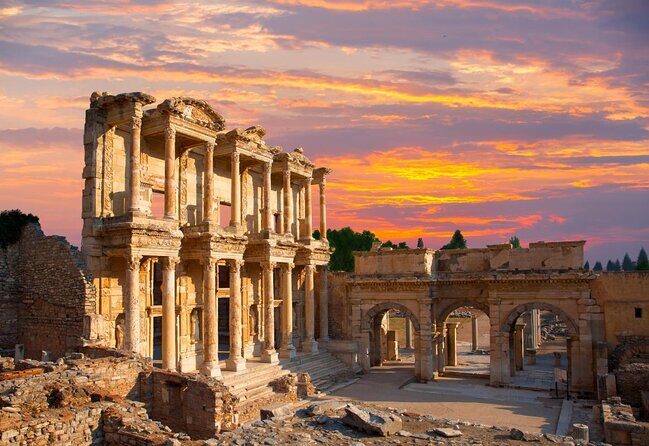
- Major admissions included for big anchors like the Blue Mosque, Topkapi Palace, Hagia Sophia, and Ephesus highlights
- Underground and village days in Cappadocia, including Kaymakli Underground City and Soganli Valley churches
- A strong Ancient Aegean finale, with Priene, Miletus, and the Temple of Apollo at Didyma
From Istanbul Airport to the Old District: the trip’s smart start
Your experience kicks off at Istanbul Airport with a transfer driver holding a sign with your name. After that, you go straight to your hotel in Istanbul’s old district area, where you can reset and get your bearings before the sightseeing ramps up.
Then comes a helpful touch: your guide meets you and gives an orientation about Istanbul and the week ahead. If you’re trying to understand where things are (and how the neighborhoods connect), that early context matters. It also includes a short walk near the Blue Mosque area, so the city feels less like a blur of landmarks once your real tour day begins.
This “start-with-context” style is one of the practical reasons I like private multi-day tours. You spend less time hunting for meeting points and more time using the time you paid for.
Other Cappadocia Tours from Istanbul reviews in Cappadocia & central Turkey
Blue Mosque, Topkapi Palace, and the Ottoman spine of Istanbul
Day 2 is set up around Ottoman power and design. You begin at the Blue Mosque, built in 1616 under Ottoman Sultan Ahmet I. Even if you’ve seen photos before, the real thing tends to hit harder because of the scale and the way the space guides your attention.
Next is Topkapi Palace, which isn’t just one building. It’s an assemblage of museums and collections built from Sultans’ holdings over nearly five centuries. This is a good stop if you like your history organized in rooms rather than in a single long story. You get a chance to pace yourself for details, and the museum format helps you slow down.
Practical note: these are major, popular sites, so wear shoes you can keep wearing for a while. Also, plan to dress modestly for mosque areas. If you travel with layers, it’s easier to handle changing indoor/outdoor conditions.
Grand Bazaar and the Spice Market walk: shopping with direction
After lunch, you’ll reach the Grand Bazaar for about an hour. This is one of the world’s oldest shopping markets, dating back to the 16th century, and the route is designed so you’re not wandering without a plan. The tour keeps it time-boxed, which I appreciate—this kind of market can swallow your whole day if you let it.
Then you head to Misir Carsisi (Spice Market). The walk is described as downhill from the Suleymaniye Mosque area, and that’s a nice way to connect landmarks to actual street-level life. Here you can browse spices and Turkish delight, and it also gives you a low-pressure taste of everyday market energy.
If you’re the type who likes buying small gifts without spending a day negotiating, this pairing works well. If you want serious shopping time, you’ll likely want a little extra free time on your own later.
Hagia Sophia, Basilica Cistern, and the Bosphorus cruise for a full Istanbul day
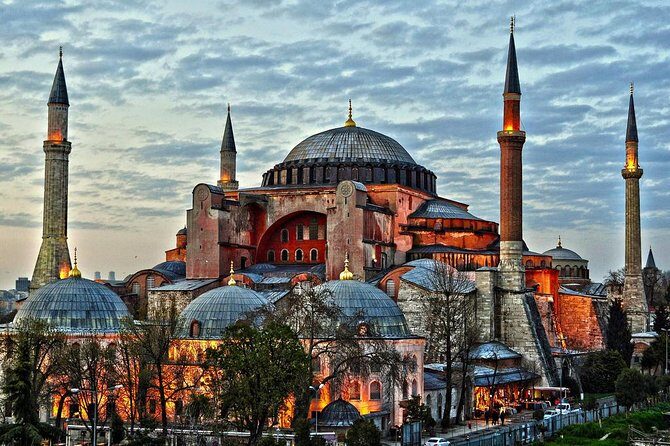
Day 3 builds a classic Istanbul trio: Roman/Byzantine artifacts, underground engineering, and then water views. You start at the Hippodrome, a great Roman-era site from the 2nd century A.D. It’s not just ruins; you can see set pieces like the Obelisk of Tuthmosis III, the German Fountain, the Serpent Column, and the Obelisk of Constantine.
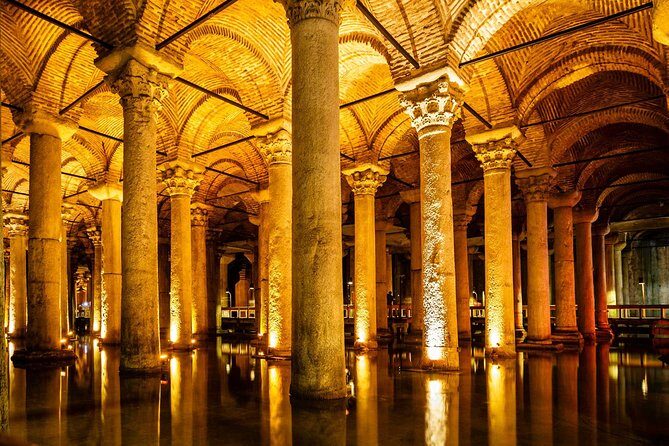
From there you go to Hagia Sophia, built in 537 under Justinianus. After that, you stop at the Basilica Cistern, built around the same time as Hagia Sophia. Seeing them as a pair makes sense because you’re watching the city’s power show up in two very different forms: grand worship space above, and water storage below.
After lunch, the tour shifts to the Bosphorus Strait with a cruise (about two hours). You’ll pass historical scenes like Ottoman houses, summer mansions, palaces, and more. This kind of break is valuable after a morning of stone and museums. It’s also where Istanbul starts to feel like a single connected city rather than separate photo stops.
Getting to Cappadocia: why the transition day still matters
The schedule moves from Istanbul toward Cappadocia on Day 3, with an overnight in Cappadocia. While this part of the day may feel like a travel day, it’s still part of the experience’s logic: it positions you to wake up in Cappadocia ready for long daylight exploring.
Overnight placement matters here. It helps you avoid the trap of doing “views only” and then rushing back. You actually get time to see the region’s major valleys and cave sites properly over multiple days.
If you want the best chance at comfortable pacing, treat Day 3 as your reset-and-arrive day. Keep water handy, don’t plan anything too ambitious after the main program ends, and let Cappadocia be the focus once you’re there.
Other Multi-City Turkey Tours reviews in Cappadocia & central Turkey



Cappadocia day: Devrent, Pasabag, pottery, Goreme Open Air, and major viewpoints
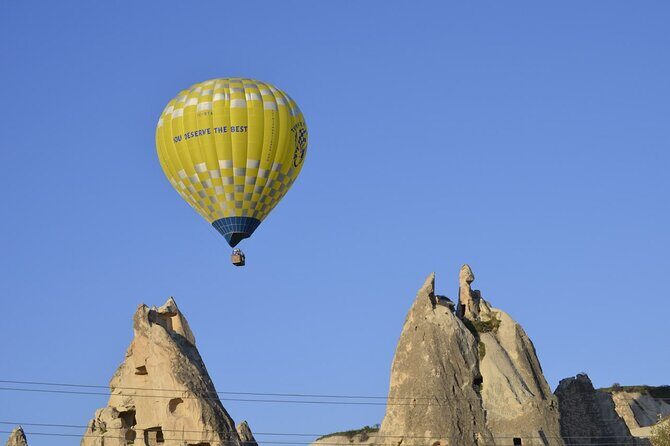
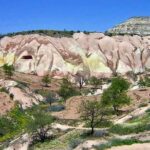
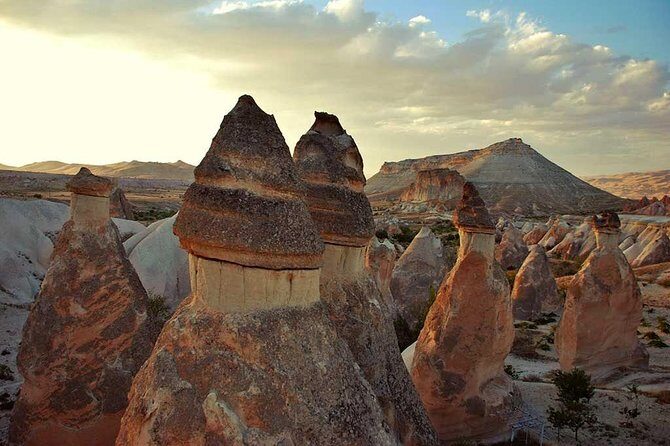
Day 4 is all about landscapes and storybook rock. You begin with Devrent Valley (Imagination Valley), famous for fairy-chimney formations and described as having formed about 30 million years ago. This is a quick stop but it sets the tone: Cappadocia looks like nature was doing special effects.
Then you head to Pasabag, where you’ll see some of the most interesting fairy chimneys. The route even nods to pop-culture comparisons, because they really do resemble the shapes people expect from fantasy.
Next is time at Avanos Oren Yeri, which includes a stop at a local pottery shop and a look at how people created art dating back to the Hittite period. I like this sort of stop because it prevents Cappadocia from becoming only scenery. You get at least one grounded look at crafts and how locals survive and build.
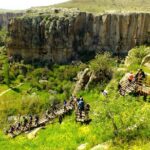
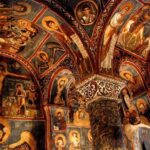
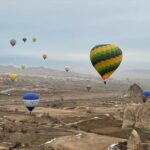
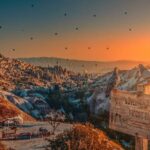
After that comes the star museum stop: Goreme Open Air Museum. You’ll explore cave churches, and the tour notes that Cappadocia has 530 cave churches. You also visit cave dwellings and then end with Uchisar Castle and the Pigeon Valley, followed by Goreme panorama viewpoints. These are built for photos, yes, but they’re also the moments when Cappadocia starts to “click” geographically—you see where everything sits in relation to each other.
If you hate rushing, this is still a full day, but it’s structured in a way that keeps you moving through different kinds of interest: rock shapes, craft, museum caves, then wide-angle views.
Underground Kaymakli and the quieter Cappadocia villages
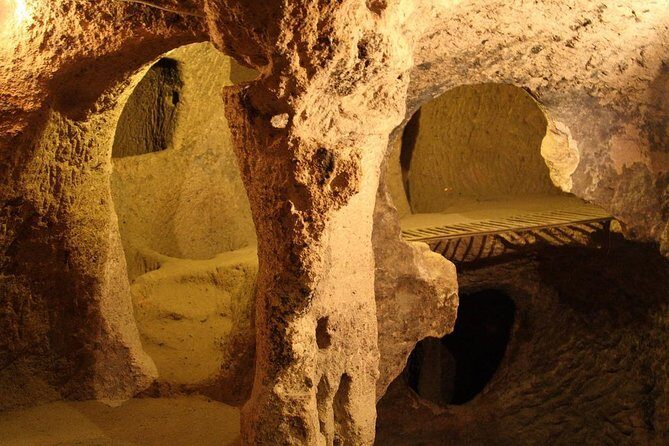
Day 5 opens early with Kaymakli Underground City. This stop is tied to the region’s survival story: Christians using underground spaces to protect themselves from persecutions and invasions for centuries. It’s also simply fascinating to see how space was engineered for real life, not just for display.
After that, you drive toward the Sinassos Kilisesi area to see an old Greek village. The tour notes it was re-inhabited after 1927, which gives the stop more human context than just a list of ruins.
Then you go to Soganli Valley, described as mostly abandoned but filled with churches. This is where the pace often slows in a good way, because the scenery is less “photo-bus” and more “walk and look.”
Later, you drive about an hour to Kayseri Erkilet Airport (ASR) and fly to İzmir. When you’re doing a multi-region trip like this, that flight is part of the value equation: it saves hours compared with driving the whole way.
After landing, you get around 1.5 hours of driving to your hotel to rest and prepare for Ephesus.
Ephesus day: walking among the big bones of antiquity
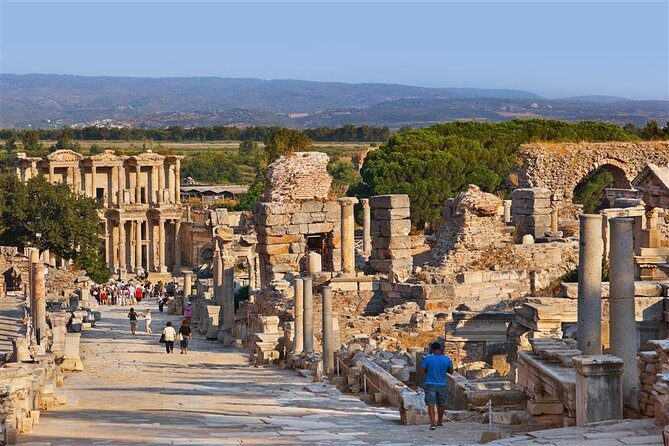
Day 6 is your deep anchor in the Aegean. You start with the Ancient City of Ephesus, where you can stroll and get lost inside the site for about two hours. This stop is all about scale and atmosphere. Ephesus isn’t a museum building you stand in front of; it’s a whole ancient footprint you move through.
You’ll also visit the Temple of Artemis, listed as one of the Seven Wonders of the Ancient World. It’s the kind of stop that reminds you how monumental the ancient world could be, even when the remains are partial.
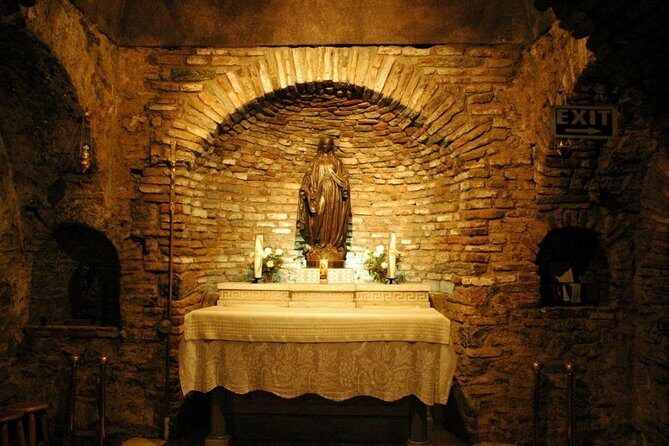
After lunch, you go to the Basilica of St. John (donated by Justinianus). Then you visit Meryemana (The Virgin Mary’s House), and finally you stop at the Ephesus Museum in Selçuk to see artifacts from Ephesus.
I like that museum pairing. You’re not only looking at ruins; you’re also seeing objects tied to what those ruins once held. If you’ve ever left an archaeological site wishing you understood more, museums like this help close that gap without adding a lecture.
Priene, Miletus, and Didyma: your Ancient Aegean closer
Day 7 is a trio of Ionian cities and sanctuaries that’s designed to feel like a gradual deepening. You start with Priene (Priene Antik Kenti), a city first established in the 7th century B.C. as a port city that the Meander River later silted up. That detail matters because it explains why the map of the ancient world didn’t stay fixed.
Next is Miletus, known for philosophers like Thales, Anaximenes, and Hekaistos. That makes this stop different from many “big ruins” days. It hints at a whole intellectual layer, not only stone and temples.
Finally, you visit Didyma, home to the Temple of Apollo. The tour notes that prophecies were given there and that the biggest oracle was serving at the Apollo Temple. You’ll then transfer to Izmir Adnan Menderes Airport for the flight back to Istanbul.
If you’re planning your final day energy, think of this as “finish strong.” It’s not light sightseeing, but it’s structured so you leave with a clear sense of what regions you covered and why they mattered.
Price and value: what $1,410 per person really buys you
At $1,410 per person, this tour costs real money, so the question is value, not just price. Here’s why it can feel like a fair deal: you’re getting a private setup (not a group bus), private guiding, private airport transfers, and a dedicated A/C minivan. On top of that, you get lunch included for 7 days.
Big-ticket admissions are also built into the schedule for many of the major anchors: Blue Mosque, Topkapi Palace, Hagia Sophia, Basilica Cistern, Goreme Open Air Museum, Kaymakli Underground City, Ephesus, the Temple of Artemis, St. John’s Basilica, Meryemana, and more. Some stops are free in the plan, like the Grand Bazaar session and the Spice Market walk, which helps keep your costs under control without making the day feel thin.
What’s not included is also clearly defined: personal expenses, dinners, and alcoholic beverages. That means you’ll likely add some budget for evening meals on your own and any snacks between stops, plus souvenirs if you enjoy that sort of thing.
Another value point: mobile ticket delivery. It’s a small thing, but it can save time and stress in busy places.
The comfort and logistics you should expect (and where it can feel tight)
This is a private tour activity, meaning it’s only your group. That alone changes the experience: you’re not competing for guide attention, and your pace can feel more natural.
The route uses a mix of walking and timed museum/site visits. Some days are longer by nature because you’re stacking major sites in a single day (Istanbul Day 3, Ephesus Day 6, and the Cappadocia days). If you like to move slowly, you’ll need to manage expectations. Your best strategy is to stay present during each stop, because you won’t have time to “slow-catch-up” later.
Also, the trip includes transfers and flights between regions (Istanbul → Cappadocia; Kayseri → İzmir; Izmir → Istanbul). That means you’ll spend part of at least two days in transit. It’s normal for a multi-region tour, but it’s still worth planning for the mental fatigue.
On the operator side, the feedback I saw emphasized smooth airport pickups and responsive help, including names like Ilker Olcaydu and Mustafa for planning support when trips are booked last minute. That kind of service matters most when a schedule changes and you need someone to keep things moving.
Who this tour suits best
This route is a strong match if you want:
- a guided, private way to cover Istanbul plus Cappadocia plus Ephesus
- the big “anchor” sights with admissions included for many of them
- a balanced mix of monuments, museums, viewpoints, and one or two craft/underground stops
- lunch taken care of so you can spend your time sightseeing instead of searching
It’s also a good fit for couples and friends who want their own pace within a structured schedule. Solo travelers who like private guiding usually do well here, too, because you avoid the chaos of large-group tours.
If you’re chasing total freedom day by day, you might find the schedule a bit full. But if you want to see a lot of Turkey in seven days with minimal hassle, this is built for you.
Should you book this 7-day Istanbul, Cappadocia, and Ephesus route?
I’d book it if your priority is an efficient, guided route with private logistics and major admissions handled. The structure is the selling point: you get major Ottoman sites in Istanbul, a classic Byzantine-and-water day, two full days of Cappadocia with both scenery and survival history, and then a full Ephesus and ancient Aegean finale.
You should think twice if you’re sensitive to day-to-day movement and want lots of unscheduled time. This tour is meant for people who like a plan, not people who want to wander for hours without the next stop.
If you go in with the right mindset, you’ll likely finish the trip feeling like you covered the essentials with smart pacing.
FAQ
Is this tour private?
Yes. It’s described as a private tour/activity, and only your group participates.
What time does the tour start?
The start time is listed as 9:30 am.
How do airport transfers work?
You’re met at Istanbul Airport by your driver holding a sign with your name, and you’re transferred to your hotel in the old district. The plan also includes transfers to airports at the end of the tour days when flights are part of the route.
What’s included in the price?
Included features are private tours, private airport transfers, private guiding, a private A/C minivan on tours, and lunch for 7 days. Mobile tickets are also offered.
Are admissions to major sites included?
Many major admissions are listed as included, including stops such as the Blue Mosque, Topkapi Palace, Hagia Sophia, Basilica Cistern, Goreme Open Air Museum, Kaymakli Underground City, Ephesus, the Temple of Artemis, St. John’s Basilica, Meryemana, and the Ephesus Museum. Some stops in the schedule are marked free.
Is it refundable if I cancel?
No. The experience is non-refundable and cannot be changed for any reason. If it’s canceled because a minimum number of travelers isn’t met, you’ll be offered a different date/experience or a full refund.