REVIEW · GOREME
Göreme: The Original Dervish Ritual in Konya or Cappadocia
Book on GetYourGuide →Operated by Paphlagonia Tour Travel Agency · Bookable on GetYourGuide
One hour into the whirling, time slows down fast. What makes this experience special is the real-life setting: Saruhan Kervansaray in Cappadocia or the Mevlana Art Center in Konya, where the ceremony follows a daily rhythm. I especially like the way the program gives you just enough context to make the movements click, and I also like that you get a guided look around the caravanserai before the main event. The one drawback to plan for: during the ceremony, cameras and video are not allowed, so you’ll need to watch with your eyes first.
If you’re choosing between Cappadocia and Konya, the value feels clear: you’re not just getting seats, you’re getting transportation plus an organized entry. Hotel pickup and drop-off keeps it simple. Still, a heads-up: the group is not for everyone—there are limits for claustrophobia, mobility needs, and certain health conditions.
In This Review
- Key points worth knowing before you go
- Two ceremonies, two atmospheres: Cappadocia whirling vs Konya Şeb-i Arus
- Price and value: what your ~$50 covers (and what it doesn’t)
- Pickup timing in Cappadocia and Konya: why leaving early matters
- Getting to Saruhan Kervansaray: the pre-ceremony building tour
- Inside the ceremony: music, prayers, and the whirling rules
- The photo and video rules you must follow
- Understanding what you’re seeing: that little booklet helps
- The end of the night: photos, sherbet, and a quick reset
- Guides and language: English/Russian/Turkish, but clarity depends on the day
- Who this fits best (and who should skip it)
- My practical take: is it worth it over a casual twirling show?
- Should you book this dervish ritual experience?
- FAQ
- Where does the dervish ceremony take place?
- How long is the experience?
- What’s included in the price?
- Where can I be picked up?
- Is photography or video allowed?
- What languages are available for the driver?
- Who should not book?
- Can I cancel for a refund?
Key points worth knowing before you go
- Real dervishes, real ritual spaces in Cappadocia or Konya, not a staged performance set in a restaurant
- Saruhan Kervansaray guided visit (about 1.5 hours) with time to take in the building before the ceremony
- Careful photo rules: no cameras/video inside during the ritual, with a short end-of-program photo window
- Hotel pickup from common Cappadocia bases like Göreme, Uçhisar, Ortahisar, plus Konya-side pickup options
- Programs tie into Şeb-i Arus (Mevlana’s reunion commemoration) when held in early/mid December
Two ceremonies, two atmospheres: Cappadocia whirling vs Konya Şeb-i Arus
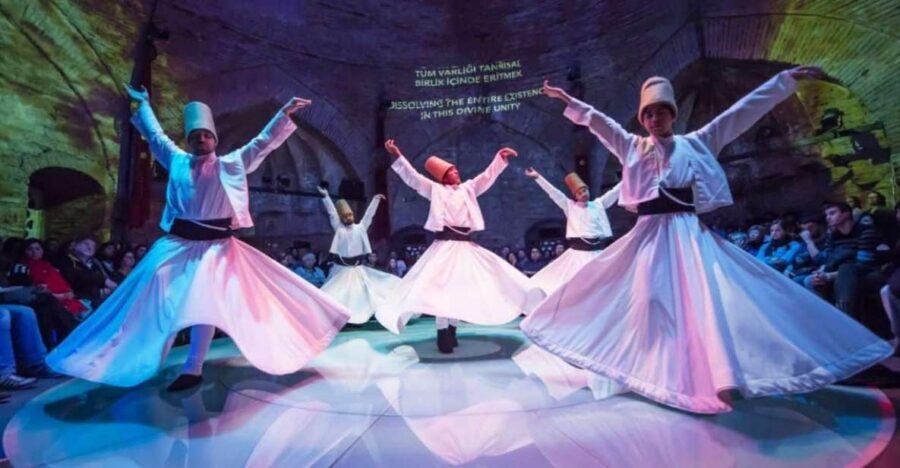
This is one ticket-style experience with two possible destinations, and the feel changes a lot depending on where you watch.
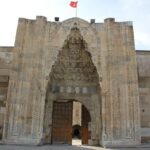
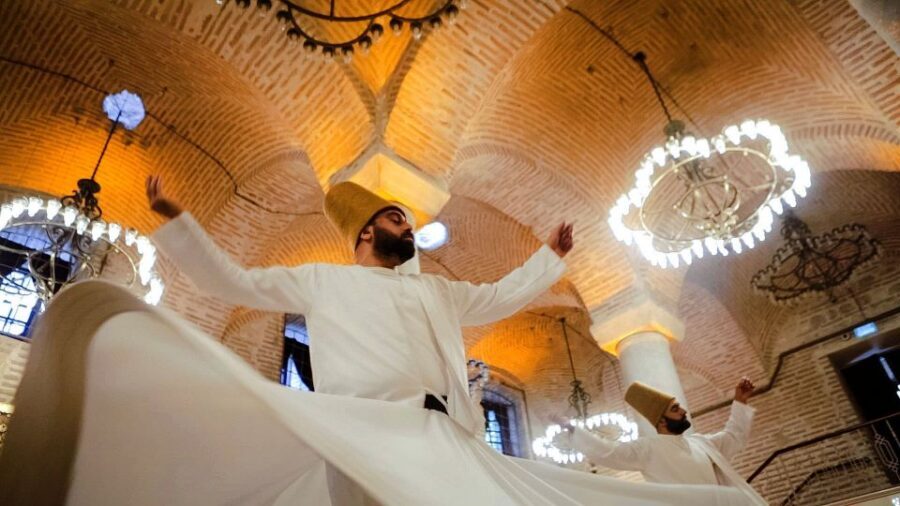
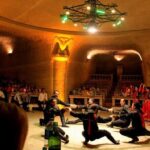
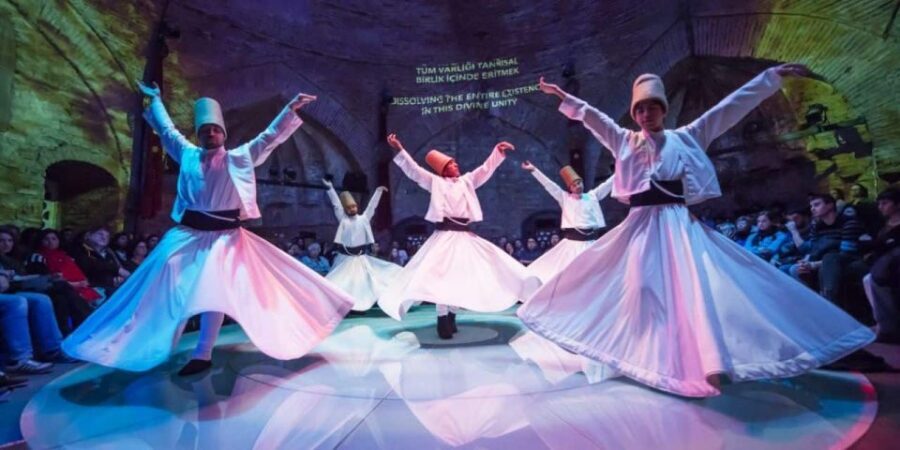
In Cappadocia, you go to the 12th-century Saruhan Kervansaray, a caravanserai that already feels like a time machine. The stone walls and open proportions make the sound carry, so the opening music and prayers land in your body, not just your ears. The dervishes’ movements also look more “rooted” in the setting here—like the building is part of the ritual.
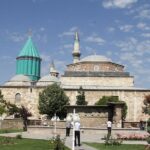
In Konya, you’re in the orbit of Mevlana Celaleddin Rumi and the Mevlana Association’s ceremony program. When the timing lines up with Şeb-i Arus (Vuslat The great ceremony) around Mevlana’s commemorations, the atmosphere feels even more formal and emotionally charged. You’re not just watching a tradition; you’re witnessing a ceremony tied to a major annual anniversary window.
If you can choose, I’d pick based on what you want most:
- Want a historic, Cappadocia-side “wow, this place is old” setting? Go Saruhan.
- Want the major “big night” feeling tied to Şeb-i Arus in Konya? Go Konya.
Other Multi-City Turkey Tours reviews in Cappadocia & central Turkey
Price and value: what your ~$50 covers (and what it doesn’t)
The price is listed at about $50 per person, and that’s not just for a seat. You get hotel pickup and drop-off and the dervish ceremony entrance ticket. For Cappadocia, that matters because timing can be tight—these programs don’t work like a museum where you can just stroll in whenever you want.
What’s not included is simple: food and drinks. That’s the only real financial “gotcha” if you assume Turkish hospitality means meals are part of the package. I suggest you plan a snack or light meal before pickup, especially if your schedule requires you to leave the hotel hours in advance.
Also, you get something small but valuable: skipping the ticket line. That’s helpful when you’re trying to arrive calm and ready rather than sprinting in stressed.
Pickup timing in Cappadocia and Konya: why leaving early matters
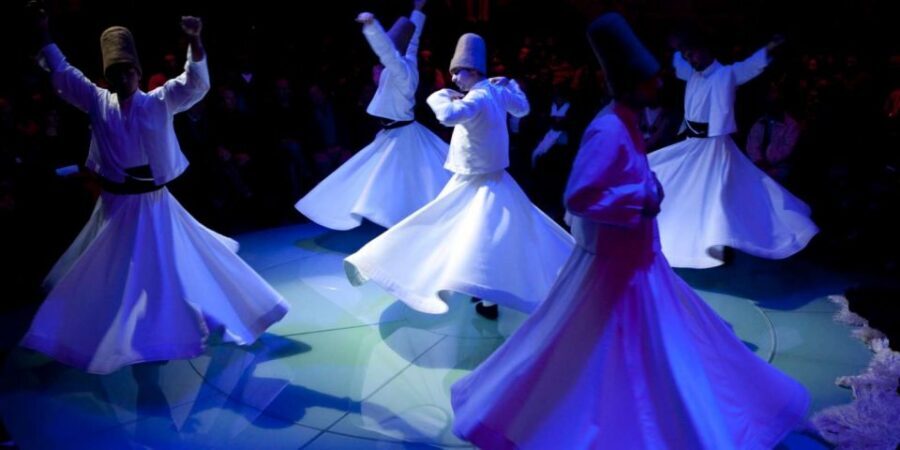
The key thing to understand is timing. This experience doesn’t start when you feel ready—it starts when the ceremony requires the group to arrive, settle, and get through the onsite process.
You can be picked up from a set of locations, including Göreme, Uçhisar, Ortahisar, Çavuşin, and also Konya options. The tour says pickup may be optional, and you’ll be told where to wait in the lobby area—so it pays to be ready before the pickup time.
For the Konya-based option connected with Şeb-i Arus timing, the schedule can require extra early pickup:
- If your pickup is from Cappadocia, you’re taken minimum 4 hours before the ceremony.
- If your pickup is Konya, it’s closer to 1.5 hours before.
That early window isn’t there to waste your time. It’s there so you can avoid rushing, settle into the flow, and handle the ceremony’s strict rules calmly.
Plan your day around this: wear comfortable clothing, keep your phone charged, and don’t rely on finding food after the fact.
Getting to Saruhan Kervansaray: the pre-ceremony building tour
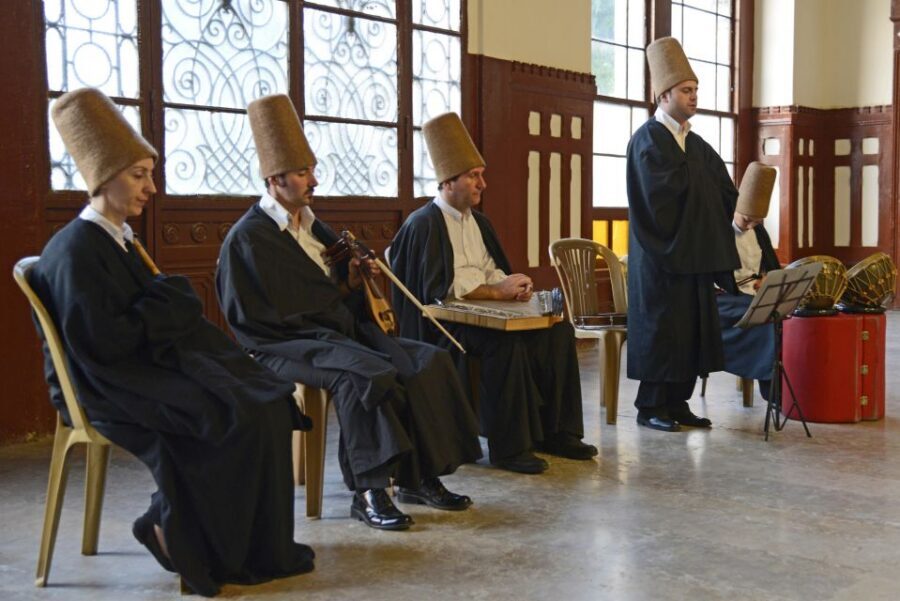
One of the smartest parts of this experience is that it doesn’t treat the caravanserai as a photo backdrop. You get a photo stop and guided tour of Saruhan Kervansaray for about 1.5 hours.
Here’s why that matters: dervish ceremonies are not just movement and music. They’re rooted in a spiritual framework. Seeing the setting first helps your brain stop treating it like entertainment. When the ceremony starts, you’re already oriented.
During that stop, you’ll also have a bit of “human scale” time—enough to walk, look up, and get a sense of how people used to travel and wait in spaces like this. If you’ve only ever seen caravanserais from the outside, this kind of guided visit helps you notice details you would otherwise miss: proportions, how sound behaves in stone corridors, and how the building holds gatherings.
There is also a brief travel break built into the day (the itinerary notes a short stop of about 20 minutes). It’s not a full break for long snacks, but it helps if you’re joining from farther away.
Inside the ceremony: music, prayers, and the whirling rules
Now the main event. The ceremony format is the part you should treat with respect and focus.
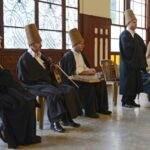
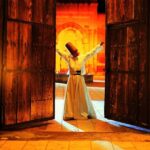
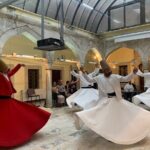
The experience includes a dervish ceremony entrance ticket and a program presented by the real dervishes under the appropriate organization. Typically, the ritual begins with prayer and sound—for example, reed music and drum are mentioned as part of the opening feel. Then the ceremony transitions into the whirling portion.
Watch the flow, not just the moment. If you only stare at the spins, you can miss how the early parts set the tone and how the whirling connects to what came before.
Other Turkish Night & Whirling Dervishes Shows reviews in Cappadocia & central Turkey
The photo and video rules you must follow
This is the big practical warning. The rules state that:
- Cameras and professional cameras are not allowed
- Video recording is not allowed
- Photography inside is not allowed
- Audio recording is not allowed
That’s not the kind of rule that lets you “just take one quick clip.” You should assume your phone stays in your pocket during the main ceremony.
The good news: the experience also includes a short end-of-program moment where photos are permitted. People describe a final dance at the end that’s different from the main ceremony rules, so make sure you know when that permission window opens. If you want a safe plan, bring your camera/phone ready, but keep it off until the ritual is clearly over.
Understanding what you’re seeing: that little booklet helps
If the ritual looks abstract at first, you’re not alone. The movements are meaningful, but the meaning isn’t always obvious from pure observation.
One detail that makes a difference: you may be given a small booklet that helps you understand what you’re watching. That kind of simple guide is often the difference between:
- Watching for entertainment, then forgetting it an hour later
- Watching with enough context to feel the structure and purpose
I like experiences where you can follow along without needing a full lecture. This is that sweet spot: enough explanation to bring your attention to the right parts, without turning the night into a classroom.
Even if you don’t read every line, having a little framing changes how you perceive the ceremony’s transitions.
The end of the night: photos, sherbet, and a quick reset
After the ceremony, the pace shifts. You get that short chance for photos (within the rules) and time to breathe. Some programs also include an offering like sherbet at the end, plus a look at a small onsite shop.
That end segment is useful for a practical reason: it gives you a decompression moment after rules-heavy attention. You can process what you just saw, take your photos while it’s allowed, and then rejoin the group for the drive back.
If you’re the type who needs time to “come down” after intense experiences, the structured wrap-up helps.
Guides and language: English/Russian/Turkish, but clarity depends on the day
This activity notes languages of English, Russian, and Turkish for the driver. That’s helpful. Still, actual spoken clarity can vary if you end up with a guide/driver who leans more toward one language.
What you can do: focus on the ceremony itself and let the booklet do part of the job. If you want more explanation during the tour, look for opportunities to ask questions during the guided stop at Saruhan or during the transfer if your driver speaks your language.
One thing I appreciate about ceremonies in general: even when language is limited, the structure is still there—music starts, prayers begin, the ritual transitions. Your eyes can follow the “logic” even if you don’t catch every spoken detail.
Who this fits best (and who should skip it)
This is a spiritual performance, but it’s also physically and emotionally specific. The tour is listed as not suitable for:
- People with mobility impairments
- People with claustrophobia
- People with epilepsy
- People with motion sickness
- Babies under 1 year
If you’re sensitive to enclosed spaces, take this seriously. Caravanserais and ceremony rooms can feel tight depending on how people are seated. And if you’re worried about dizzy spells, the whirling portion could be a problem for motion-sickness-prone visitors.
If you want a respectful, meaningful evening and you’re comfortable following strict rules, this is a strong pick. If you’re hoping for a casual, photo-first “show,” you might feel frustrated because you can’t film or photograph during the ceremony itself.
My practical take: is it worth it over a casual twirling show?
I’ll be blunt. If you’re comparing this to a casual twirling performance in a restaurant setting, this wins on authenticity and setting.
A true ceremony in a historic location (like Saruhan Kervansaray) or in Konya’s Mevlana Art Center gives you the sense that you’re part of a living tradition—not a choreographed street show. The strict photography rules also push you to treat it like a ceremony rather than a content moment.
That said, it’s not for everyone. The lack of on-the-spot photos during the main event may bother people who want proof of everything. And language gaps can make it harder to understand symbolism in real time. If you’re okay watching first and reading/asking later, you’ll likely love it.
Should you book this dervish ritual experience?
Book it if you:
- Want authentic dervish ceremony rather than a performance for tourists
- Like the idea of seeing the ritual in a historic space like Saruhan Kervansaray
- Can follow no-photo/video rules and prefer watching with your full attention
- Are traveling at a time when Şeb-i Arus programming is happening and you want the bigger Konya atmosphere
Skip or reconsider if you:
- Need frequent photo/video capture during the main ritual
- Have claustrophobia, motion sickness concerns, or relevant medical sensitivity
- Want a long food-and-drink experience built into the ticket (meals are not included)
If you book, do one thing that improves everything: keep your phone away during the ceremony, then use the allowed end-of-program photo moment for your memories. You’ll remember more—and you’ll feel the ritual more clearly.
FAQ
Where does the dervish ceremony take place?
You can watch in Saruhan Kervansaray in Cappadocia or at the Mevlana Art Center in Konya, depending on which option you choose.
How long is the experience?
The duration is listed as 2 to 6 hours, depending on the schedule. Exact starting times depend on availability.
What’s included in the price?
The tour includes hotel pickup and drop-off and a dervish ceremony entrance ticket. Food and drinks are not included.
Where can I be picked up?
Pickup options include Konya, Çavuşin, Uçhisar, Göreme, and Ortahisar.
Is photography or video allowed?
Cameras and professional cameras are not allowed, and video recording is not allowed. The rules also say photography inside and audio recording are not allowed during the ceremony.
What languages are available for the driver?
The driver language is listed as English, Russian, and Turkish.
Who should not book?
The tour is listed as not suitable for people with mobility impairments, claustrophobia, epilepsy, and motion sickness, and it also notes it’s not suitable for babies under 1 year.
Can I cancel for a refund?
Yes. Free cancellation is available up to 24 hours in advance for a full refund, and the booking offers a reserve now & pay later option.