REVIEW · ISTANBUL
10 Days Turkey Tour to Istanbul, Cappadocia, Antalya, Ephesus
Book on Viator →Operated by City of Sultans · Bookable on Viator
A 10-day Turkey circuit with real built-in comfort. This small-group tour (max 15 people) strings together Istanbul, Cappadocia, Antalya, and Ephesus with end-to-end ground and air transportation, plus a schedule that keeps you moving without feeling rushed. I like that you also get a steady rhythm of guided stops and time to breathe, so the big sights don’t blur together.
What I like most is how much is handled for you: domestic flights, 9 nights of accommodation, and a long list of included breakfasts and lunches. One thing to watch: entrance fees aren’t included, and some days involve a fair amount of walking at monuments and ruins, so comfortable shoes matter.
In This Review
- Key points at a glance
- Why this Istanbul to Ephesus plan feels efficient
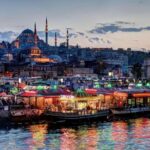
- Istanbul: Hagia Sophia, Blue Mosque, Topkapi, and the Grand Bazaar maze
- That Europe-to-Asia quick step (and the Spice Market reset)
- Cappadocia: Fairy Chimneys, cave churches, valleys, and Derinkuyu’s underground calm
- Antalya and Kaleiçi: waterfalls, Hadrian’s Gate, cable car views, and a harbor stroll
- Pamukkale’s travertines and thermal pools near Hierapolis ruins
- Ephesus: a guided Roman city walk, then Mary’s House and Artemis
- Price, meals, and entrance fees: what you’re really paying for
- Should you book this Turkey tour?
- FAQ
- What’s the group size for this tour?
- Does the price include entrance fees to museums and sights?
- Are flights and accommodations included?
- How many meals are included?
- What pick-up options are available in Istanbul?
- What fitness level do I need?
Key points at a glance
- Small group, max 15: easier pacing and less chaos at crowded sites
- Flights and transfers included: you’re not juggling trains, buses, or domestic check-ins all day
- Plenty of guided time: Hagia Sophia, Blue Mosque, major Cappadocia valleys, and Ephesus are explained well
- Meal support: 9 breakfasts plus 5 lunches are included, keeping days predictable
- Pick-up coverage in Istanbul: airports, cruise ports, and centrally located hotels are handled
- Smart itinerary logic: Istanbul first for orientation, then Cappadocia’s “wow,” then the coast and Roman ruins
Why this Istanbul to Ephesus plan feels efficient
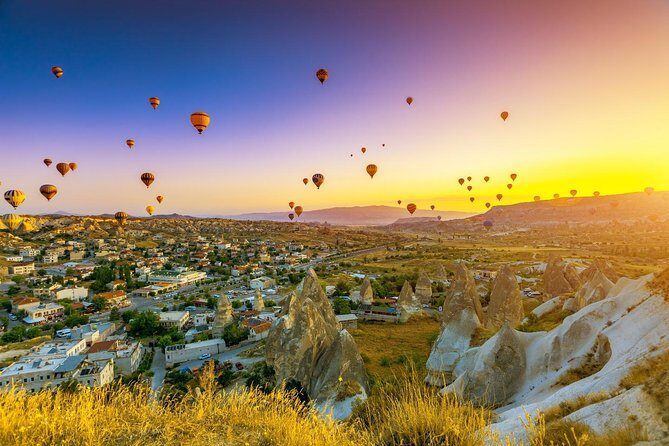
Turkey is huge. The trick is not trying to “see everything,” but doing enough to understand what makes each region special. This route does that by moving from Istanbul’s layers of empires, to Cappadocia’s rock formations and underground history, then down to the Mediterranean, and finally to Ephesus for one of the best Roman-city walks in Europe.
You’ll spend less energy on logistics than you would if you planned this yourself. Domestic/internal flight tickets are included, and the tour also emphasizes end-to-end transportation (the kind that gets you from hotel to airport to the next hotel without a lot of guesswork). That matters most on travel days, when you’d otherwise lose half the day to lines, schedules, and decision fatigue.
One more smart detail: it’s built around guided highlights, not a “drop you off and good luck” approach. Still, it’s not a nonstop guide-follow-everywhere situation. You’ll get clear instructions for how each day works, and you may need to find your way within airports and at some sites based on provided direction. That’s a plus if you like independence, but it’s a mismatch if you want someone next to you every minute.
Other Cappadocia Tours from Istanbul reviews in Cappadocia & central Turkey
Istanbul: Hagia Sophia, Blue Mosque, Topkapi, and the Grand Bazaar maze
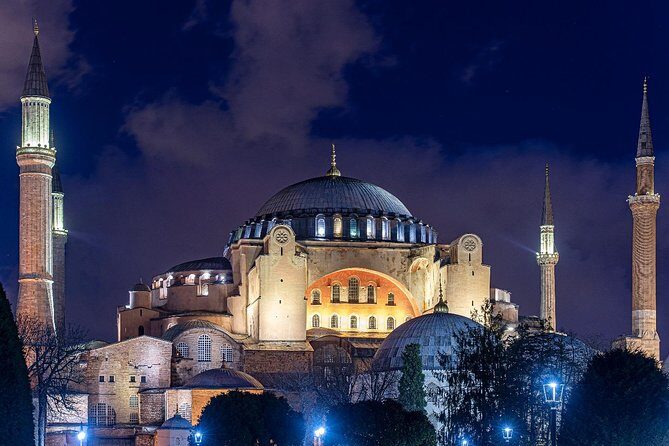
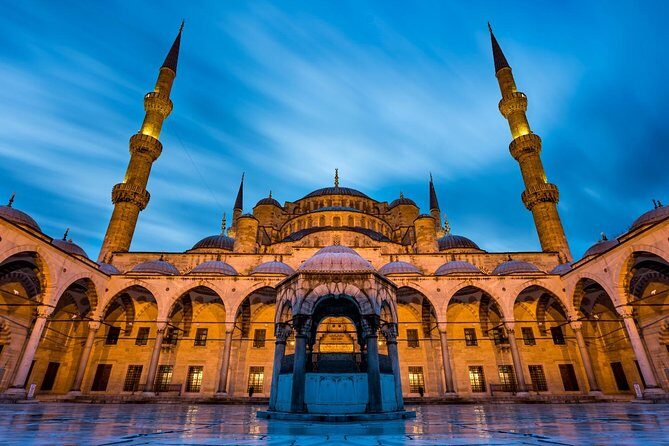
You start with a classic Istanbul sampler that covers three essentials in one day: Hagia Sophia, the Blue Mosque, and Topkapi Palace. Hagia Sophia is a must-see for the architecture alone, and you’ll be able to understand why it mattered across Byzantine and Ottoman rule. The Blue Mosque stop is shorter on paper, but it’s timed well so you get the key visuals without burning the day.
Topkapi Palace is an “effects of empire” kind of museum. It’s where you’ll see the Ottoman imperial past turned into collections and galleries, including the Royal Treasury. Budget note: Topkapi’s admission is listed as not included, so plan for that additional cost if you’re calculating your total spend.
Crowd management is part of the value here. You also visit the Hippodrome, where old Constantinople energy still echoes through landmarks like the Egyptian Obelisk, the Serpentine Column, and the fountain tied to Wilhelm II. It’s the kind of stop that’s easy to skim if you go unguided, but with context it helps you connect Istanbul’s big monuments into one story.
Then comes the part many people either love or dread: the Grand Bazaar. It’s not just a marketplace. It’s a living museum of trade, crafts, and old-school bargaining culture. Even if you’re not shopping, walking through the streets of stalls gives you a feel for what Istanbul commerce looked like for centuries. If you do shop, I’d treat it like a marathon: go in with a short list, check prices more than once, and don’t let one high-pressure stall set the tone for your whole hour.
That Europe-to-Asia quick step (and the Spice Market reset)
Day 3 has two small stops that do big work for your confidence in the city. First, you hit Misir Carsisi (Spice Market). This is one of those places where your senses do half the guiding. Spices, dried goods, fruit, vegetables, flowers, fish counters, all of it turns the idea of Istanbul as a trading crossroads into something you can literally smell and see.
Then you get a fun, easy moment that helps you understand Istanbul’s geography: you step from Europe to Asia in about two minutes. It’s brief, but it’s memorable, and it’s the kind of detail that makes the city feel real fast. If you’re new to Istanbul, you’ll leave day 3 with a stronger sense of where things sit and how the city is physically split by the Bosphorus.
One practical tip: if you’re the type who hates getting pushed into crowds, keep your pace calm here. The market area can get busy, so focus on the walk and the visual browsing rather than trying to “finish” the bazaar in one go.
Cappadocia: Fairy Chimneys, cave churches, valleys, and Derinkuyu’s underground calm

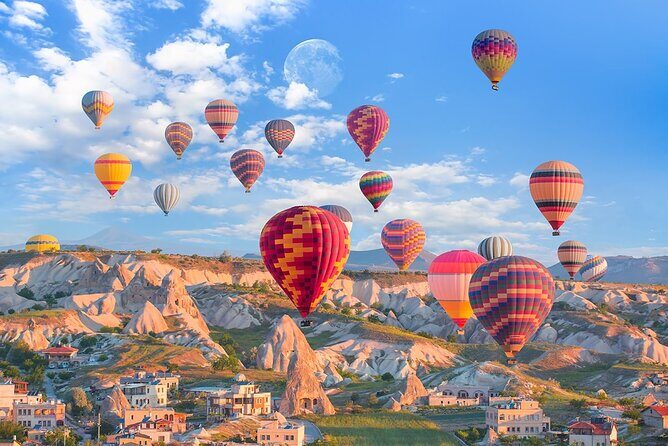
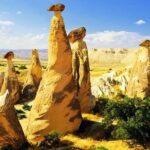
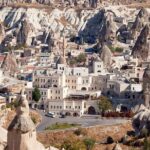
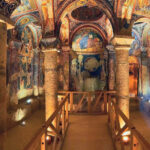
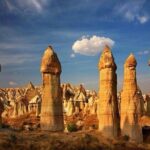
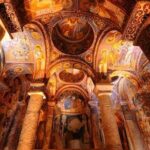
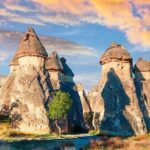
Cappadocia is where this tour shifts from big-city history to landscape-shaped time. You start with the “how did nature do that?” stops: Devrent Valley for the Fairy Chimneys look, and then Göreme Open-Air Museum, where cave churches remind you this region wasn’t just scenery. It was a place where early Christians carved space for faith and community.
Göreme is long enough to feel satisfying, but it’s still structured. That matters because cave sites can be easy to rush if you’re on your own. Here, you’ll get the key ideas about why these spaces were made and what makes the churches historically significant.
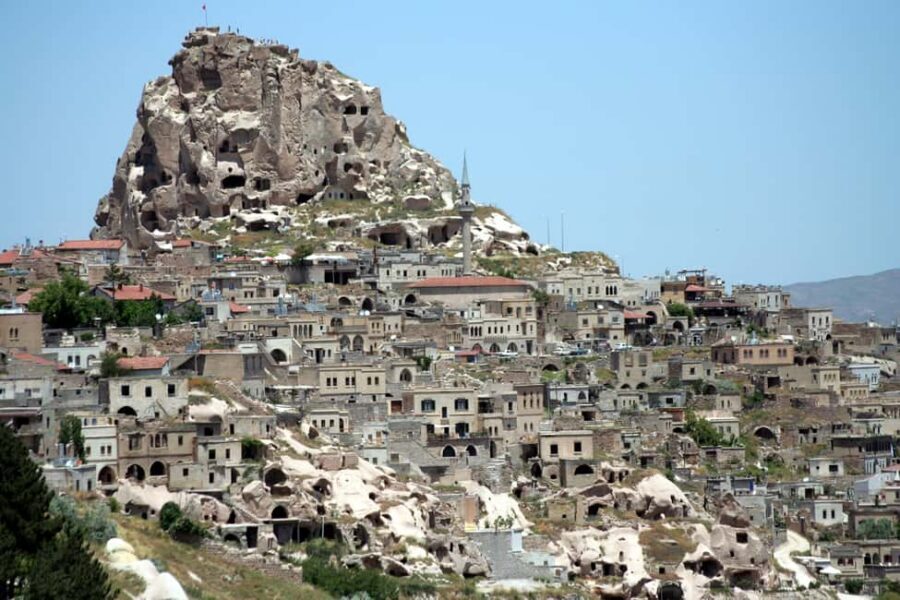
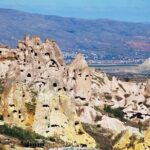
After that, you move to Üçhisar, the village viewpoint that dominates the surrounding area. From up there, you understand why Cappadocia is so famous: the rock shapes aren’t random. They form neighborhoods, valleys, and natural “streets” across the region.
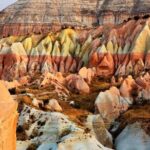
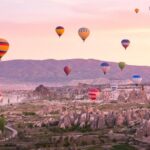
Day 5 keeps building momentum. Red Valley delivers classic Cappadocia views, and you get time to enjoy the walking paths at a pace that’s not just photo-stop, photo-stop. Then you head to Cavusin, a longer valley stretch that’s about atmosphere and formations as much as it is about seeing another point on a list.
The Pigeon Valley stop includes both scenery and the sense that this area is meant for walking and hiking. If you like getting a little exercise while sightseeing, this is one of the better fits on the itinerary.
Finally, you get the big contrast: Derinkuyu Underground City. This is where your brain finally stops comparing Cappadocia to postcards and starts appreciating how engineered survival could be. Admission here is listed as not included, but the payoff tends to be strong because the scale and logic of the underground layout make the past feel very close.
Antalya and Kaleiçi: waterfalls, Hadrian’s Gate, cable car views, and a harbor stroll
Antalya is where the tour slows down into Mediterranean mode. It’s built around three standout experiences: Lower Duden Waterfalls, the old quarter of Kaleiçi, and Tünektepe for views.
Lower Duden Waterfalls feels like a mini escape. The park area is described as shady and cooling—almost like a pocket oasis—so even if you’re not a “waterfalls are my thing” person, it’s a pleasant reset between travel days. Admission is listed as included, so you don’t have to budget for that stop separately.
Kaleiçi is the part many people will remember for strolling. You’ll see Ottoman-style old houses, views over the water, and major highlights like Hadrian’s Gate. The tour also includes an hour-long short boat trip, which is a great way to see the coastline and break up walking time.
Then you head up to Tünektepe Teleferik. It’s a 618-meter hill, and the cable car ride plus the observation terraces are built for panoramic payoff. One detail worth knowing: the area includes facilities like a restaurant that rotates around its axis, which can turn the “view stop” into an actual relaxing break rather than just standing in wind for 10 minutes.
Other Multi-City Turkey Tours reviews in Cappadocia & central Turkey
Pamukkale’s travertines and thermal pools near Hierapolis ruins
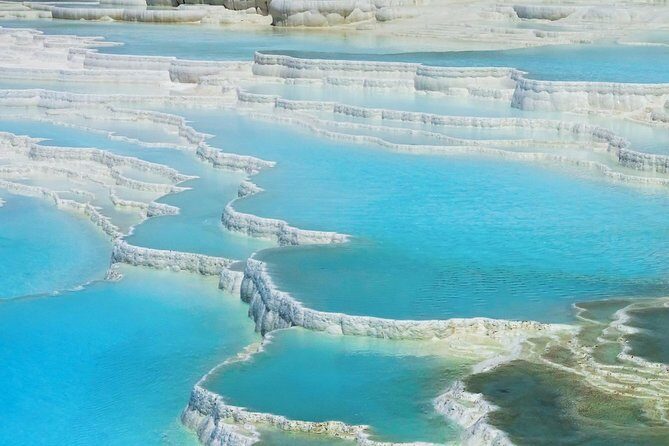
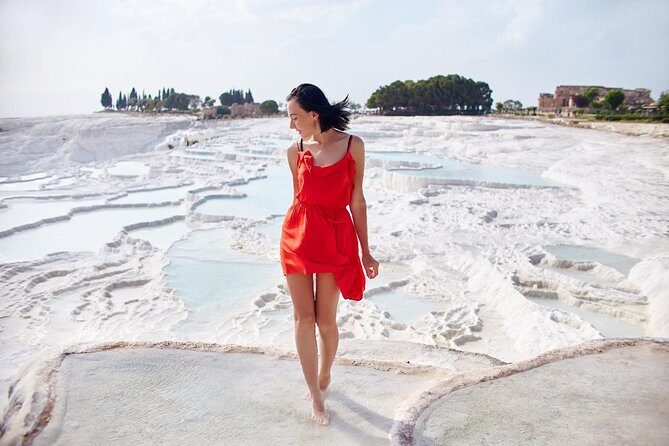
Pamukkale is one of the few places where people take photos and still feel like the photos don’t fully capture it. You’ll spend time around the Hierapolis area, including the travertines often called Pamukkale (Cotton Castle). The ruins nearby help you understand this wasn’t just a natural site; it was an ancient city with daily life and religious structure around it.
Your tour day includes time for Pamukkale Thermal Pools, and also describes the wider setting: you can walk among ancient Roman remains and sarcophagus areas. Admission for these stops is listed as not included, so again, budget for entry fees if you’re trying to keep the total controlled.
A practical approach: plan to wear footwear you don’t mind getting a bit tricky near wet surfaces. You’ll want to move slowly and keep an eye on your footing because travertine areas can be slippery depending on conditions. If you’re traveling in hotter months, start early in your day so your visit doesn’t feel like a constant scramble for shade.
Ephesus: a guided Roman city walk, then Mary’s House and Artemis
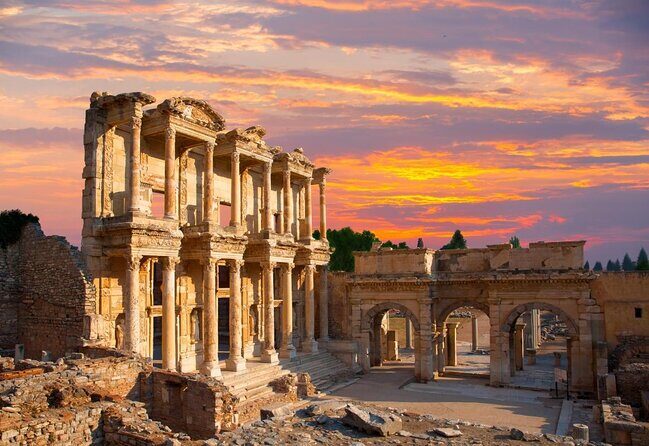
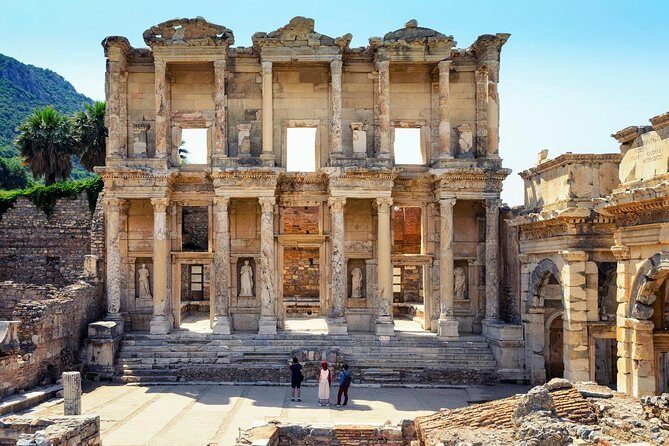
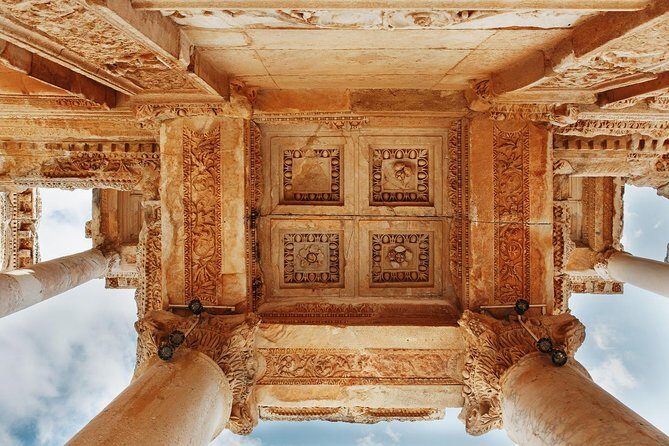
Day 9 is one of the strongest payoff days on the whole itinerary. Ancient City of Ephesus is a slow, downhill walk through one key ruin after another, and the tour includes the major landmarks you’d want even if you didn’t know the names: Odeum, Celsus Library, Temple of Hadrian, Fountain of Trajan, and the Great Theater.
This is the kind of site where guidance matters. Without context, you might see columns and walls. With context, you understand how a Roman provincial capital functioned: where people gathered, what was ceremonial versus practical, and why the city was important enough to build on such a scale.
After Ephesus, you visit Meryemana (The Virgin Mary’s House). The stop centers on the idea of Mary’s last days in the region, plus the connection to the Basilica of St. John. Admission is listed as not included here too, but the spiritual and historical angle makes the pace different from purely Roman archaeology.
Then comes Temple of Artemis, described as one of the seven wonders of the ancient world. Even if what you see now is only partial remains, the stop helps you grasp why Artemis mattered so much that it was counted among the biggest architectural achievements of its era.
This day can involve more walking and more steps than you’d expect, so if your fitness is moderate, take breaks when your body asks. The sites are spread, and the route is intentionally paced for a “walk-and-learn” experience.
Price, meals, and entrance fees: what you’re really paying for
At $1,699 per person for a 10-day route, the value depends on what you’d otherwise arrange yourself. Here, you’re paying for the big time-savers: domestic flight tickets, 9 nights in accommodation, pick-up service in Istanbul, and a schedule built around guided highlights.
You also get 9 breakfasts and 5 lunches included. That adds up because meals in tourist areas can be pricey, and having planned meals reduces the daily “what do we eat now?” stress. The tour’s overview also advertises 16 provided meals, so regardless of the exact breakdown on your dates, the intent is clear: you shouldn’t be starving your way through sightseeing.
The main cost you must plan for is entrances. Entrance fees are not included. That means the tour price looks more attractive at checkout, but your final total depends on what you choose to enter and how many of the sites you hit. If you like staying within a strict budget, set aside extra money early and treat it as part of your “Turkey sightseeing fee.”
Also remember: you’re not just sitting. Istanbul includes mosque visits and museum time. Cappadocia includes valley walking and a long underground stop. Ephesus is a ruin walk with downhill sections and lots of moving. The tour asks for moderate physical fitness, so pack for steps and uneven surfaces.
Should you book this Turkey tour?
Book it if you want a small-group route with real logistics support and guided interpretation for the big “must-see” moments. It’s especially appealing if you’d rather spend your energy on viewing and learning instead of figuring out domestic travel between cities.
Skip or reconsider if you hate budgeting for entrance fees or you want a guide next to you at every minute. This plan gives structure, but it also expects you to follow instructions and handle your own movement in certain parts of the day.
If you want an efficient first Turkey trip that covers Istanbul, Cappadocia, the coast, and Ephesus without turning travel days into a mess, this is a strong candidate.
FAQ
What’s the group size for this tour?
The tour is set up for a maximum of 15 travelers.
Does the price include entrance fees to museums and sights?
No. Entrance fees are not included.
Are flights and accommodations included?
Yes. The tour includes domestic/internal flight tickets and 9 nights of accommodation.
How many meals are included?
You’ll have 9 breakfasts and 5 lunches included. The tour overview also describes 16 provided meals.
What pick-up options are available in Istanbul?
Free pick-up is available from all airports, cruise ship ports, and centrally located hotels in Istanbul.
What fitness level do I need?
The tour notes a moderate physical fitness level is recommended, since you’ll do walking at historical sites.