REVIEW · ISTANBUL
Wonders of Turkey – Gulet: Istanbul, Cappadocia, Ephesus, Fethiye
Book on Viator →Operated by Fez Travel · Bookable on Viator
A wooden ship turns Turkey into personal time. I like the tight mix of Istanbul Old City landmarks and the big, emotional stops like Gallipoli, and I especially like the onboard rhythm of swim-and-sail days on a Turkish gulet. One thing to consider: you should budget extra for the stated cash entrance fee payable on the spot.
On this route, you start with guided history on land, then shift into slow travel on the water. Your gulet stay is in a small boat with 16 cabins and private bathrooms, plus meals included while you cruise. And yes, you do give up some control: the captain sets the exact program at the time, and changes can happen.
In This Review
- Key Things to Know Before You Go
- Istanbul to Gallipoli to the Sea: The Overall “Feel” of This Trip
- Sultanahmet: Blue Mosque, Hagia Sophia, Topkapi, and the Bosphorus
- WWI on the Coast: Gallipoli’s Memorials and Trenches
- Troy and Behramkale: UNESCO Ruins Plus a Modern Museum Stop
- Ephesus: Guided Ruins, Archaeology Museum, Carpet Village, and Wine
- Boarding the Gulet in Fethiye: What “3 Nights at Sea” Feels Like
- Gulet Days and Swims: Turunc Bay, Hamam Bay, Cleopatra’s Ruins, and Sarsala Hike Time
- Pamukkale and Hierapolis: Travertine Pools and Roman Hot Springs
- Konya to Cappadocia: Sultanhani Caravansary, Mevlana, and Underground Rooms
- Ankara Back to Istanbul: Atatürk’s Mausoleum as a Final Anchor
- Price and Entrance Fees: Is It Worth $2,356.81?
- Who Should Book This, and Who Might Feel Frustrated
- Should You Book Wonders of Turkey – Gulet?
- FAQ
- How long is the tour?
- Does the tour include a gulet cruise?
- Where does the tour start and end?
- How many people are in the group?
- What’s the minimum age?
- Are meals included?
- Are entrance fees included in the price?
- Is alcohol included?
- Is there a guide during the gulet section?
- What luggage is allowed?
Key Things to Know Before You Go
- 3-night Turkish Riviera gulet cruise from Fethiye with daily swimming and snorkeling breaks
- Small group size (max 16), so you’ll actually get to know the people you sail with
- Guided land days with an English-speaking tour guide, then you cruise without a guide
- Wine tasting and carpet village on the Ephesus day, not just ruins and photos
- Cappadocia and Pamukkale are both full-day anchor stops, so expect longer on-the-road days
- Cash entrance fee of €240 per person is explicitly listed as payable on the spot
Istanbul to Gallipoli to the Sea: The Overall “Feel” of This Trip
This is a history-heavy Turkey trip that refuses to be only museums and monuments. You get guided blocks in the major cities, then you move onto a traditional wooden sailing yacht where the day is measured in swim breaks, anchor stops, and sun-deck time.
You’ll spend a lot of hours on the go—Turkey’s distances are real—and that can be a plus if you like seeing “big picture” geography fast. If you want a slow, week-long vibe in one place, this route might feel rushed. But if you want major hits, this is built for that.
Also note the small detail that matters: during the gulet portion, the land tour guide does not accompany the group. On the water, you’re working more with the skipper and crew, and you’ll decide how to use docked time.
Other Cappadocia Tours from Istanbul reviews in Cappadocia & central Turkey

Sultanahmet: Blue Mosque, Hagia Sophia, Topkapi, and the Bosphorus
You start in Sultanahmet, the historic heart of Istanbul. The guided tour pulls together the heavy hitters you’d expect—Blue Mosque, St Sophia Museum, Topkapi Palace (including Hagia Irene), and the Hippodrome—so you’re not wandering alone, trying to stitch it all together.
What I like about this approach: it gives you orientation fast. Istanbul’s Old City can feel like a maze of domes and courtyards unless someone times your route and explains what you’re seeing. Here, you get that early context before you sail.
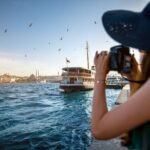
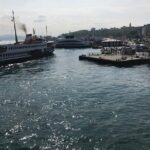
In the afternoon, there’s a cruise option on the Bosphorus with the chance to float between Europe and Asia. Even if you choose the full cruise or skip part of it, plan to treat this as your “breather” day. The sea air helps after the density of the Old City sites.
Practical consideration: the walking is part of the deal. Wear shoes you trust, and bring a light layer for when you step out of indoor shade.
WWI on the Coast: Gallipoli’s Memorials and Trenches
Gallipoli is not a casual stop. It’s the kind of place that can land in your chest a little differently than a typical ancient ruin. You’ll visit WWI battlefields and memorials including Lone Pine and Chunuk Bair, plus ANZAC Cove and the Nek.
Then comes the part that makes the history feel physical: you see original trenches and tunnels. That’s a big reason this day works so well in a multi-stop tour—suddenly the trip isn’t just about ancient empires. It’s about more recent human cost, set in a rugged coastal setting.
One caution: this is an emotional day. If you’re the type who needs frequent decompression breaks, you may want to pace yourself with water and snack breaks. The schedule is built for a full day.
Troy and Behramkale: UNESCO Ruins Plus a Modern Museum Stop
Troy adds myth and archaeology in the same breath. You’ll explore the ancient city, a UNESCO World Heritage Site, and you’ll also have time at the newer, award-winning Troy Museum. That museum visit matters because it gives you a framework for what you’re walking through.
Then you head to Behramkale, a small village with stone houses and narrow streets. You get time to explore on your own, and it’s a nice contrast after the big-name history sites. You can slow down, find a café, and just absorb the view.
The day ends with continuing onward toward Kuşadası, setting you up for Ephesus the next day. It’s a smart way to keep geography efficient: Troy is done, Troy context is added, then you push toward the next anchor.
What could be tough: it’s still a long day with transit time. If you dislike car travel, this is the first place where you’ll feel it.
Ephesus: Guided Ruins, Archaeology Museum, Carpet Village, and Wine
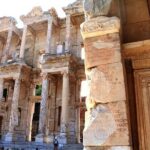
Ephesus is the kind of stop where a guided day saves your time. You’ll get a guided tour of Temple of Artemis grounds, the grand facade of the Library of Celsus, and the amphitheater—plus the Ephesus Archaeology Museum, where artifacts bring the story into sharper focus.
Then it pivots into culture and craft. You’ll visit a carpet village to learn how carpets are made by hand and what affects their value. If you’ve ever wondered how something as common as a carpet can carry real craft technique and regional variation, this is the most direct way in.
Finally, there’s wine tasting with three local wines after you reach Selçuk. It’s a pleasant way to end a heavy “walk and learn” day with something lighter.
Tip for getting the most out of it: if you’re serious about photo stops, plan to take fewer pictures but linger more. Ephesus has layers; racing through cuts off the detail.
Other Multi-City Turkey Tours reviews in Cappadocia & central Turkey

Boarding the Gulet in Fethiye: What “3 Nights at Sea” Feels Like
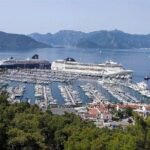
This is the part many people are here for, and it’s structured for comfort without pretending it’s a hotel. In Fethiye Harbour, you board around 15:00, then settle into a small ship with 16 cabins and private bathrooms.
The gulet is small but functional: you’ve got a dining area, a saloon bar, and a sun deck that’s made for long, slow hours. This is where your schedule starts to feel different. Instead of fixed time slots for rooms and tickets, the day is built around swimming and anchoring.
One important detail: the land guide doesn’t accompany you during the gulet portion, so you’ll rely more on the skipper and crew for timing and day decisions. Also, the captain decides the program at the time, which means the route can shift.
Why it’s good value: meals are included on board, and the cost you’re paying includes an experience that’s hard to replicate on your own without planning separate boat charters.
Gulet Days and Swims: Turunc Bay, Hamam Bay, Cleopatra’s Ruins, and Sarsala Hike Time
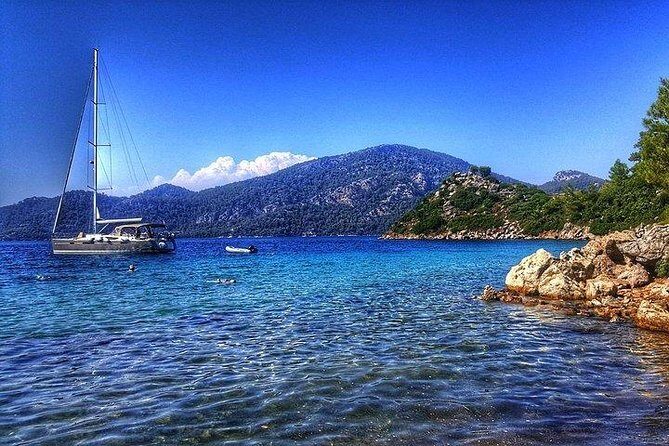
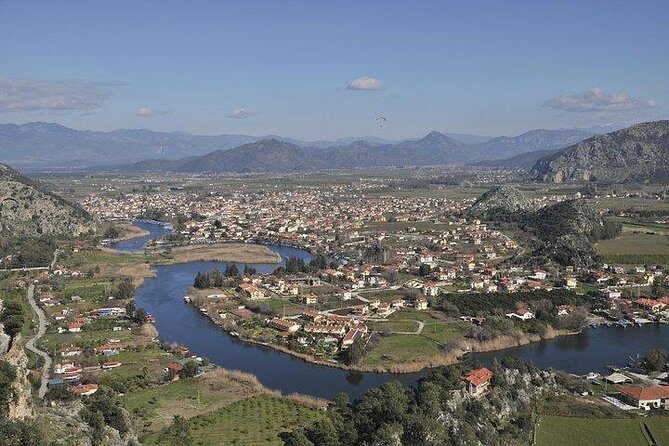
The Turkish Riviera cruise is where your “reward moments” come from: bright water, secluded coves, and quick dips that don’t require booking anything extra.
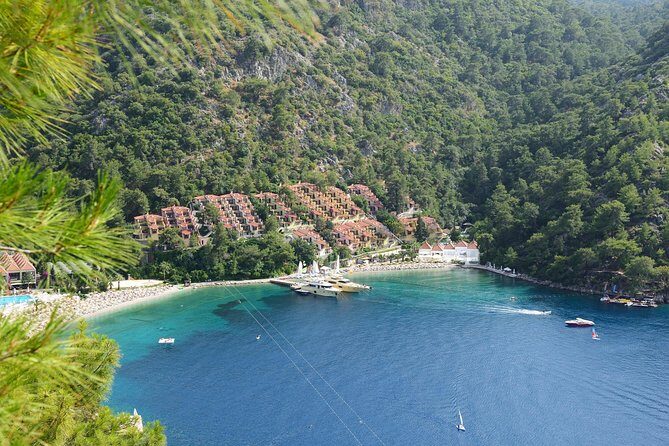
After boarding, you’ll enjoy swimming and snorkeling in places like Turunc Bay or Tarzan Bay. Then you cruise past islands toward Tersane Island (Dockyard Island), where you can explore ruins tied to an old Greek town and a former naval shipyard.
After that first night, the day continues with a string of anchor-based experiences:
- Hamam Bay: you swim near Roman Baths built by Mark Antony as a gift for Cleopatra
- Sarsala Bay: you cruise into a pine-surrounded bay and can take a 45-minute hike to a Lycian town, with inscribed walls dating from the 3rd century BC
- Bedri Rahmi Bay: time in clear water and island exploring when the schedule allows
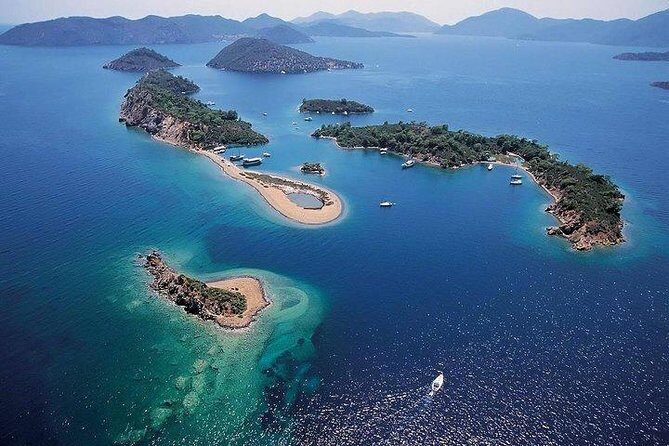
Then later, you cruise toward Fethiye again, passing the Yassica Islands and Gocek Islands. Many are unnamed but offer safe anchorage and secluded sandy beaches—perfect for stretching out and doing very little on purpose. You finish with a final swim at Red Island.
Possible drawback: if you expect constant structure or a packed sightseeing lecture on the boat, this won’t match that. The gulet days are built for water time and optional exploring when you’re docked.
Pamukkale and Hierapolis: Travertine Pools and Roman Hot Springs
Pamukkale is a striking contrast to the cruise days, and the timing is set up for you to see it as a full experience rather than a quick photo stop. You’ll head to the white calcium terraces known as Travertines, tour the ancient city of Hierapolis, and then take a dip in hot springs.
The Roman angle is part of the draw: the hot springs have been used since Roman times, with the idea of therapeutic waters. Even if you don’t go deep on the “wellness” side, it’s still an unforgettable setting for a soak—ancient columns and warm water in the same view.
Practical consideration: bring swimwear and plan for comfort. The ground near travertines can be slippery, and you’ll want to move carefully.
Konya to Cappadocia: Sultanhani Caravansary, Mevlana, and Underground Rooms
Next you shift from the Aegean coast world into interior Turkey.
In Konya, you stop at Sultanhani Caravansary along the Silk Road route, then visit the Mevlana Museum. If you like places where religion, art, and history meet in everyday architecture, this is the kind of stop that adds depth beyond ruins.
That night, there’s an optional traditional Turkish folklore evening, which is a good use of time if you want a break from long days of walking.
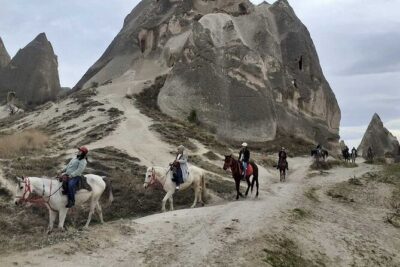
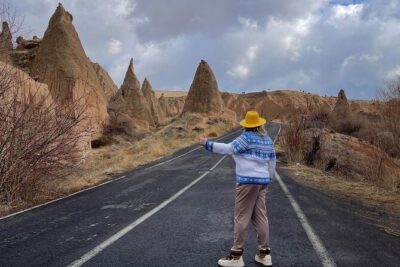
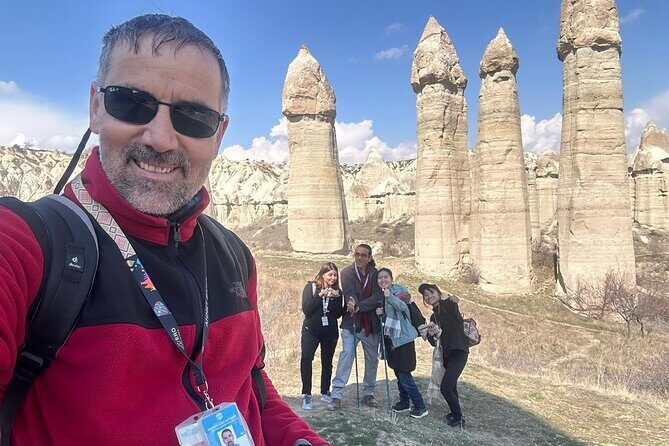
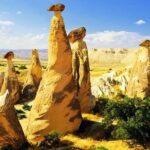
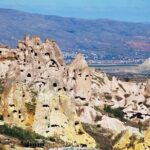
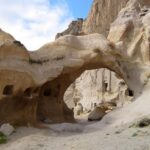
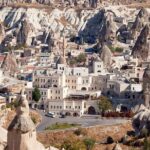
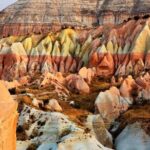
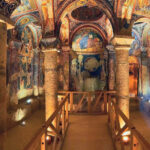
Then it’s on to Cappadocia, with its famous fairy chimneys and the Goreme Valley Open Air Museum. You’ll also explore an underground city with multiple levels—one of those “how did people do this” moments that makes the region feel real, not staged.
What to know: Cappadocia days often involve uneven ground and lots of steps. Wear shoes that handle rock and stairs, and keep water handy.
Ankara Back to Istanbul: Atatürk’s Mausoleum as a Final Anchor
Your final major stop is Ankara. You depart early for the national capital and visit Anitkabir, the mausoleum of Mustafa Kemal Atatürk.
This day feels like the trip’s political and modern history bookend. You’re not just traveling through ancient sites; you’re also touching the core symbols of modern Turkey.
Afterward, you return to Istanbul, and the tour concludes back at the meeting point after breakfast.
Price and Entrance Fees: Is It Worth $2,356.81?
At $2,356.81 per person for a roughly 13-day circuit, the value is mostly in three places:
- You’re paying for logistics you don’t want to manage: guided transport on land, hotel or vehicle coordination, and a set program.
- You’re paying for the gulet product: 3 nights on a traditional wooden yacht with private cabins and meals included on board.
- You’re paying for structured learning on key days like Istanbul Old City, Gallipoli, and Ephesus.
There’s also a budget “gotcha” you should plan for: the tour lists an entrance fee of €240 cash per person payable on the spot. Even if some site admissions appear as free or included on specific days, treat €240 as your baseline cash estimate for entrances.
Alcohol is not included. Wine tasting is included as part of the Ephesus day, but drinks on board or in restaurants are extra.
Simple way to judge this for yourself: if you’re the type who would never want to organize multiple guides, multiple transfers, and a gulet cruise from scratch, this price looks fair. If you prefer independent travel with your own car and fewer tours, you could likely DIY some segments cheaper—at the cost of time and effort.
Who Should Book This, and Who Might Feel Frustrated
This trip is a strong match if you want:
- A first-time Turkey route with major highlights in history and geography
- A traditional gulet experience where you get real water time and included meals
- A mix of guided days and slower, anchored days
- A manageable group size (max 16)
It may feel wrong if you:
- Hate long transit days between regions
- Expect a tour guide to be with you during the gulet portion
- Want a fully flexible schedule every day (the captain decides the program during the cruise)
If you’re traveling with a friend or partner and like “seeing a lot without doing the planning,” this works well.
Should You Book Wonders of Turkey – Gulet?
I’d book it if your travel style matches a smart blend: guided highlights on land, then a small-ship cruise where your day is built around the sea. The value is strongest because you get the “big name” sites plus the gulet time that’s hard to duplicate without paying for a separate charter.
I would pause and reconsider if you don’t want to budget extra cash for entrances, or if you need a very slow pace. For everyone else, this is one of those routes that turns a country into a sequence of unforgettable scenes—temples, memorials, terraces, fairy chimneys, and then turquoise water from the deck.
FAQ
How long is the tour?
It’s listed as about 13 days.
Does the tour include a gulet cruise?
Yes. You have a 3-night gulet cruise along the Turkish Riviera.
Where does the tour start and end?
It starts at the Nidya Hotel Galataport meeting point in Istanbul, and it ends back at the same meeting point.
How many people are in the group?
The gulet can accommodate up to 16 passengers, and the overall tour/activity lists a maximum of 16 travelers.
What’s the minimum age?
The minimum age is 12 years.
Are meals included?
Meals are included on the gulet. On the land portion, the package lists some breakfasts, lunches, and dinners as included on specific days.
Are entrance fees included in the price?
No. An entrance fee of €240 per person is payable on the spot in cash.
Is alcohol included?
Alcoholic drinks are not included and are available to purchase.
Is there a guide during the gulet section?
No. The tour guide does not accompany the group during the gulet section.
What luggage is allowed?
Each traveler is allowed a maximum of 1 suitcase and 1 carry-on bag. Oversized or excessive luggage may have restrictions, so it’s best to ask in advance.