REVIEW · ISTANBUL
Magic Carpet 10 Day Small Group Istanbul Troy Ephesus Cappadocia
Book on Viator →Operated by Fez Travel · Bookable on Viator
A two-continent Istanbul trip plus legendary ruins. I like this tour because it strings together big-ticket sights with enough guided time to make the stops make sense, not just look good. The small-group size keeps the pace human, and the entrance fees included setup means you spend your energy on the sites instead of ticket math.
Two things I particularly like: you get real guide-led structure for the heavy hitters (Ayasofya/Blue Mosque, Ephesus, Gallipoli, and the Cappadocia valleys), and you also get breathing room to explore on your own. One consideration: you’ll be on the move a lot, with long travel days and domestic flights, so you’ll want a solid sleep routine and patience for day-to-day logistics.
In This Review
- Key Things That Make This Tour Worth Your Time
- Why This 10-Day Turkey Loop Feels Like a Best-Of Route
- Price and Logistics: What You’re Actually Paying For
- Istanbul Arrival Day: Get Oriented and Start Easy
- Ayasofya Day: Blue Mosque, St Sophia Museum, Topkapi, and the Hippodrome
- Gallipoli Battlefield Day: Lone Pine, ANZAC Cove, and Trench Lines
- Troy and Behramkale: UNESCO Ruins Plus a Real Village Break
- Ephesus Day: Ancient Theater, Artemis Area, Museum Time, and Carpet Learning
- Pamukkale: Travertines, Hierapolis, and a Roman-Times Hot Springs Moment
- Konya Along the Silk Road: Sultanhani Caravansary and the Mevlana Museum
- Cappadocia’s Goreme Valley: Fairy Chimneys and Underground Cities
- Ankara Closeout: Anitkabir and Atatürk’s Mausoleum
- The Small-Group Advantage: Guides (and Drivers) Make the Difference
- Accommodation, Meals, and What to Expect Day-to-Day
- Who This Tour Fits Best (and Who Might Want a Different Setup)
- Final Take: Should You Book This Magic Carpet Tour?
- FAQ
- What’s included in the tour price?
- How big is the group?
- Are pickup and airport transfers included?
- Do I get free time during the trip?
- Are there any optional activities?
- What if weather is bad?
Key Things That Make This Tour Worth Your Time
- Small-group cap (max 20): easier questions, less waiting around, and more chances to adjust when the group needs a breather.
- Guide focus plus downtime: guided highlights run alongside personal free time each day.
- Entrance fees handled: you’re not juggling extra costs at every major site.
- Domestic flights included: Izmir to Kayseri, then Kayseri to Istanbul saves you serious overland hours.
- Carpet village stop in Ephesus: you don’t just see artifacts; you learn how carpets are made and what drives their value.
- Gallipoli WWI sites: a thoughtfully timed day at Lone Pine, Chunuk Bair Memorials, ANZAC Cove, and the original trenches.
Why This 10-Day Turkey Loop Feels Like a Best-Of Route
This is a classic “Turkey highlights” sequence, but it’s built for comfort. You start in Istanbul, move through the Aegean and southwest (Troy, Ephesus, Pamukkale), swing into central Turkey (Konya, Cappadocia), and finish with Ankara before returning to Istanbul.
The value is that you’re not doing this as a complicated self-planned puzzle. Transport is arranged in a fully air-conditioned vehicle, most big entrances are included, and the guide gives you the why behind the what. Even better, the group size stays small, so it doesn’t feel like you’re chasing a crowd all day.
Other Multi-City Turkey Tours reviews in Cappadocia & central Turkey
Price and Logistics: What You’re Actually Paying For
The listed price is $2,262.94 per person for about 10 days. That sounds like a lot until you break down what’s bundled: 9 nights of accommodation, a professional English-speaking guide, entrance fees, ferry fees between Çanakkale and Eceabat, and domestic flights (Izmir → Kayseri and Kayseri → Istanbul).
What’s not included is also important: tips for driver and guide, compulsory travel insurance, and suggested optional activities. Meals outside the included breakfasts and dinners are on you, plus you’ll likely spend some extra money on drinks, snacks, and that inevitable souvenir impulse.
Istanbul Arrival Day: Get Oriented and Start Easy
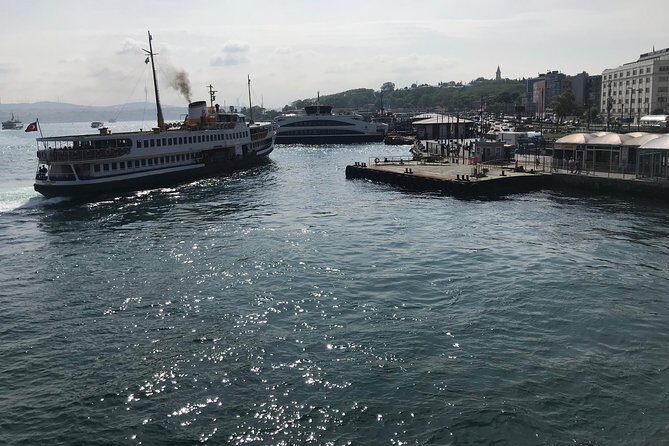
Your first day is built for settling in. After pickup and transfer to your hotel, the rest of the day is free for you to wander at your own rhythm. That matters because Istanbul can hit you fast: noise, smells, crowds, and a lot of history happening at once.
If you want to use your free time well, aim to get your bearings early—find your tram/metro routes, pick a simple dinner plan nearby, and don’t try to “do it all” on day one. You’ll be glad you saved your energy for the guided day that follows.
Ayasofya Day: Blue Mosque, St Sophia Museum, Topkapi, and the Hippodrome
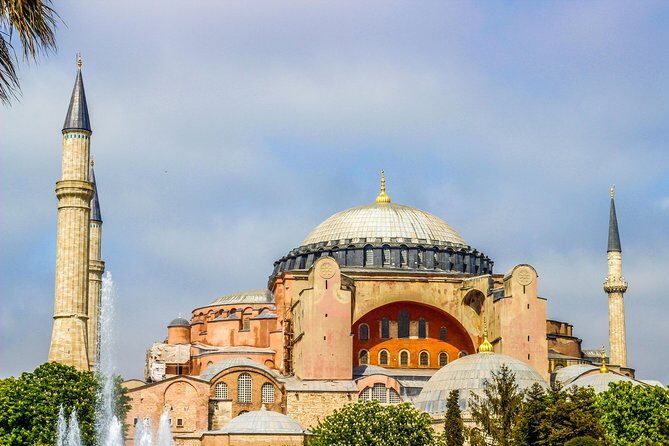
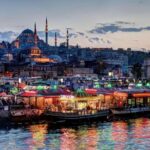
Istanbul day is where this tour turns from travel into real sightseeing. You’ll get guided time around Ayasofya (St Sophia Museum) and the Blue Mosque area, plus Topkapi Palace and the Hippodrome. With a good guide, the place names stop being random labels and start mapping to the story of the city.
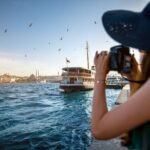
A smart extra is the afternoon water break: you’ll cruise between Europe and Asia on the Bosphorus stretch, with an optional half-day Bosphorus cruise. This is a great moment to slow down, take photos, and reset before you start stacking another day of ancient sites.
Practical note: Istanbul’s best sights involve lots of walking and stairs. Wear shoes that don’t punish you on day three.
Gallipoli Battlefield Day: Lone Pine, ANZAC Cove, and Trench Lines
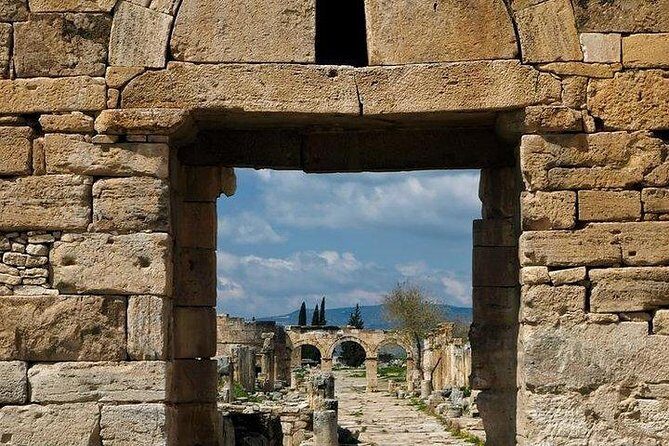
This is the emotional day on the route. You spend time at WWI battlefield sites like Lone Pine and Chunuk Bair Memorials, ANZAC Cove, and areas including The Nek and Johnston’s Jolly, plus original trenches and tunnels.
What makes this day meaningful on a small-group tour is the ability to ask questions when you’re looking at places that are easy to misunderstand from a quick glance. The guided context helps you see why these memorial points were placed where they were and what the terrain meant to the fighting.
A consideration: it can be heavy. If you’re sensitive to war history, plan a quiet evening afterward instead of trying to pack in extra activities.
Other Small Group Tours reviews in Cappadocia & central Turkey

Troy and Behramkale: UNESCO Ruins Plus a Real Village Break
Troy is the kind of stop that many people picture from stories, but you’ll get more out of it when you see it as a lived-in archaeological landscape. You’ll explore the ancient city (UNESCO site) and the award-winning Troy Museum, then continue on toward Behramkale.
Behramkale is where the tour adds a calmer, more local feel. You get time to explore the old village with stone houses and narrow streets, plus the simple pleasure of Turkish tea or coffee at a café. After a long day of history viewing, that break helps the whole experience feel human, not like a marathon museum.
Ephesus Day: Ancient Theater, Artemis Area, Museum Time, and Carpet Learning
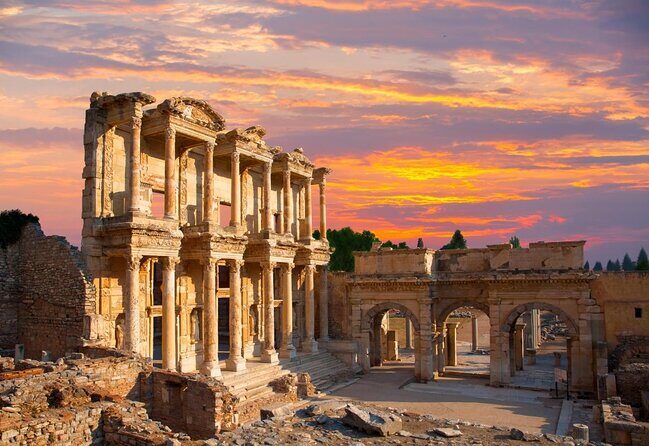
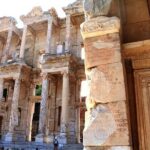
Ephesus is one of those places where you can feel how civilizations stacked on top of each other. You’ll have guided time at Ephesus and also visit the Temple of Artemis site area. From there, you’ll explore the Ephesus Archaeology Museum, which is especially helpful if you like seeing artifacts rather than only ruins.
One stop I really appreciate here is the carpet village experience. Instead of treating souvenirs as a random shop stop, you learn how carpets are made by hand and what determines their value. It makes it easier to shop thoughtfully later—at least you’ll know what you’re looking at.
Timing-wise, Ephesus can be sun-heavy. Bring a hat, and plan to take shade breaks when you can.
Pamukkale: Travertines, Hierapolis, and a Roman-Times Hot Springs Moment
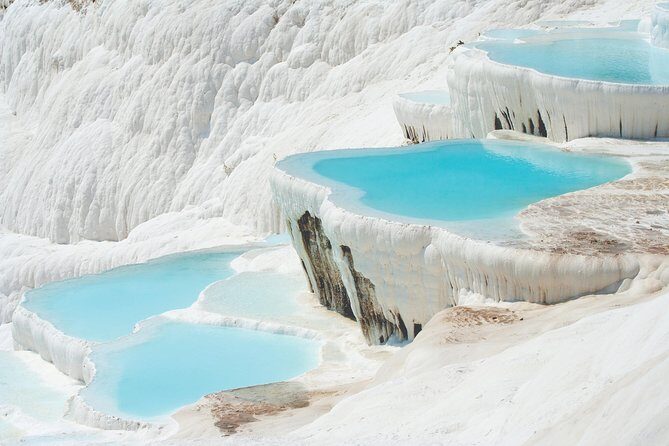
Pamukkale is the “wow” day, even for people who usually don’t get overly excited by white mineral terraces. You’ll see the calcium terraces (Travertines), tour the ancient city of Hierapolis, and have time to visit hot springs that were used in Roman times for their therapeutic reputation.
This is also a good day to go slow. The terraces look different depending on the angle and light, and Hierapolis adds another layer to the story of the region. If you’re prone to rushing, you might miss the small details that make Pamukkale special.
Konya Along the Silk Road: Sultanhani Caravansary and the Mevlana Museum
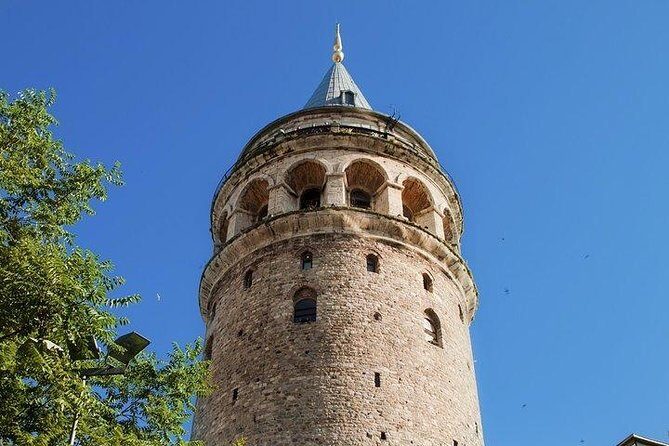
Central Turkey is a reset from coastal ruins and seaside history. In Konya, you travel the Silk Road route and visit Sultanhani Caravansary as well as the Mevlana museum.
You also have an optional traditional Turkish folklore evening. This is one of those “worth considering” options because it swaps out stone-and-marble history for living culture. If you’re tired after driving, skip it. If you’re energized, it’s a nice way to spend the evening closer to how locals experience the night.
Cappadocia’s Goreme Valley: Fairy Chimneys and Underground Cities
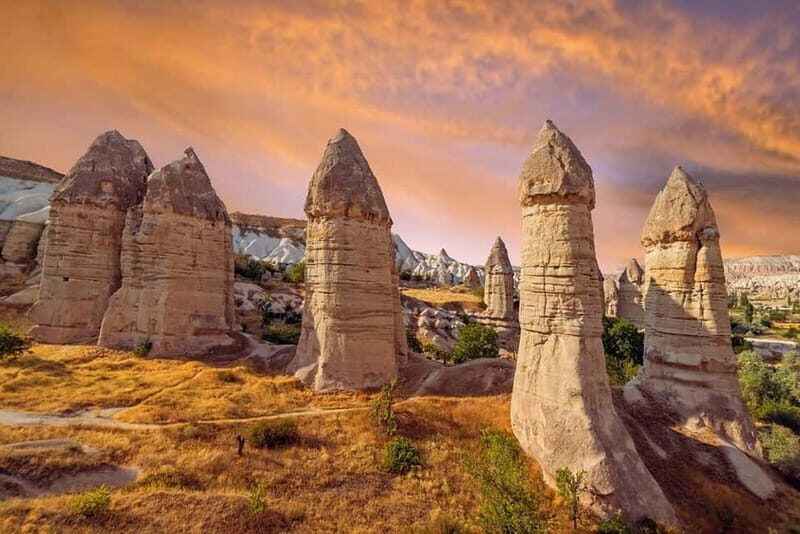
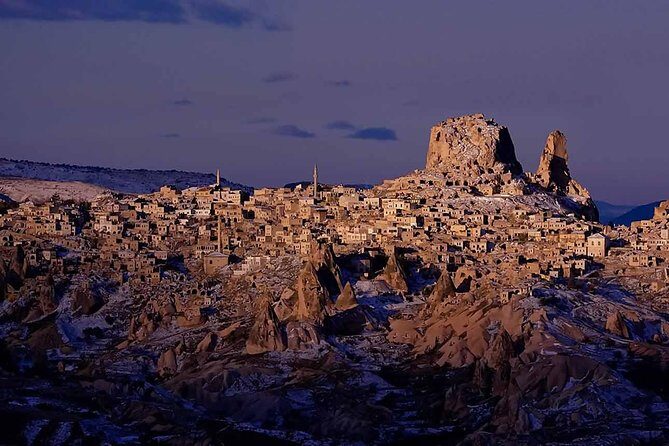
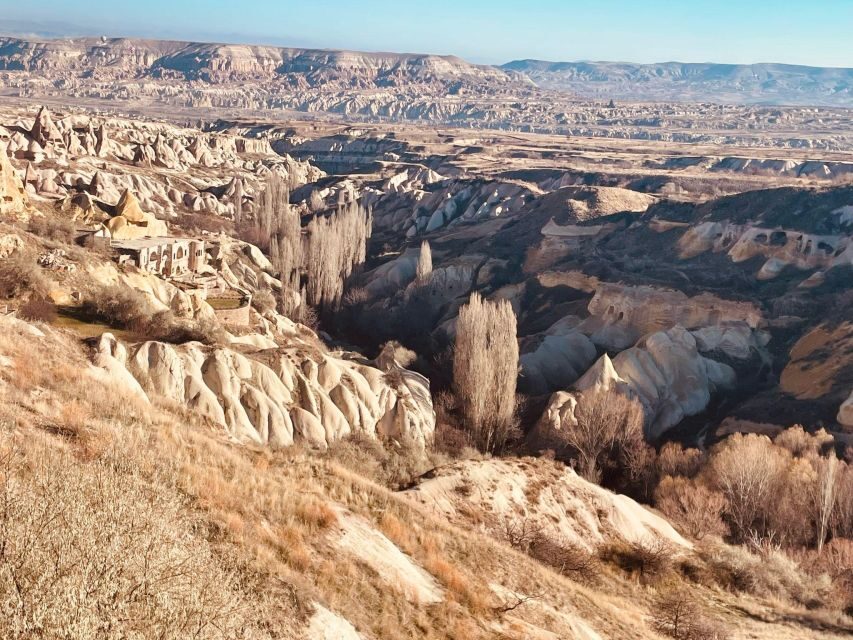
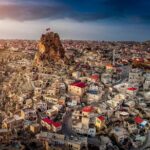
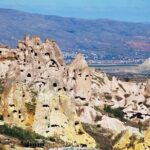
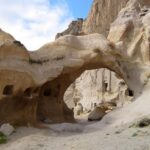
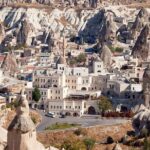
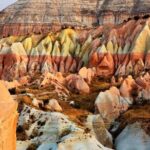
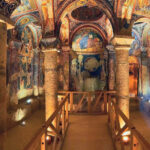
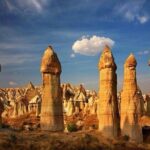
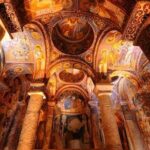
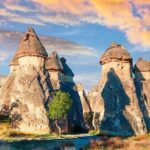
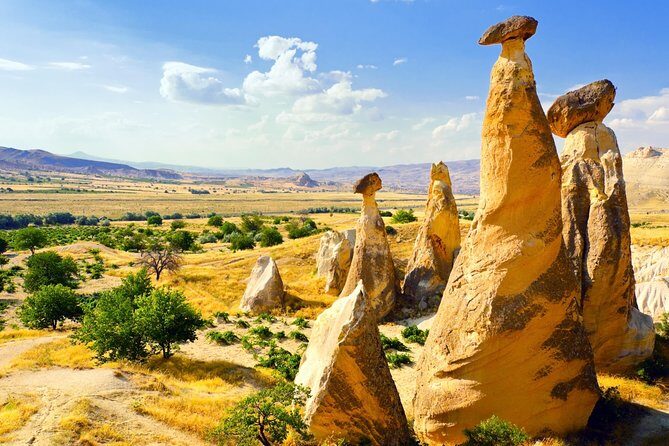
Cappadocia is where the scenery turns otherworldly, but you’ll still get a structured visit. You’ll visit the Goreme Valley Open Air Museum and see the fairy chimneys, then also explore underground city levels.
This combination matters. The open-air sites give you the visible “wow” factor, while the underground spaces explain why people built and lived there—shelter and survival in a unique terrain.
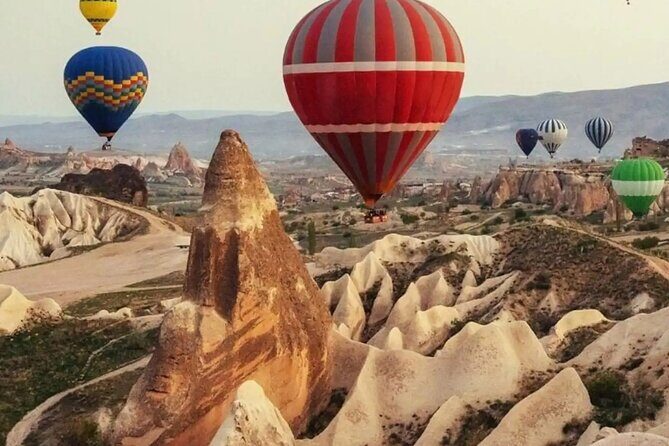
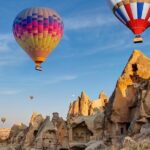
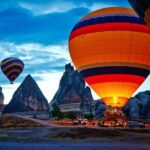
If you want to add a hot air balloon ride, this is the one place where many people plan it as an optional add-on. Conditions and booking are not included in the core tour details, but your guide’s suggestions can help you line it up sensibly with your schedule.
Ankara Closeout: Anitkabir and Atatürk’s Mausoleum
Before heading back to Istanbul, you stop in Ankara for Anitkabir, the mausoleum of Mustafa Kemal Atatürk. It’s a strong way to end a history-heavy journey: you’ve just spent days on ancient empires and WWI battlefields, and then you shift into the modern story of the Turkish republic.
The good part about finishing here is clarity. At the end of the trip, your questions often get sharper: what came before, what changed, and what Turkey became in the 20th century.
The Small-Group Advantage: Guides (and Drivers) Make the Difference
This tour’s biggest repeat theme is the people running it. Names like Tamer, Goksu (G), Can, Halil, and Lale show up in guide praise for one consistent reason: they’re good at turning a schedule into understanding, and they keep things moving without making you feel rushed.
You’ll also spend a lot of time with the driver, and that matters more than people think. Several reviews highlight skilled, careful driving (names like Hekim, Murat, Morat, Cengiz, and Genghis appear). On a trip with long stretches and changing towns, safe driving is not a small detail—it keeps the day calm.
A practical plus: in a group this size, your guide can often steer you toward better timing and better meals. If you care about that, the small-group structure is the main reason to choose this style over a bigger bus.
Accommodation, Meals, and What to Expect Day-to-Day
You get 9 nights of accommodation, with 9 included breakfasts and 6 included dinners. That means you’re covered for most mornings, and you’re not always hunting for evening plans after long days.
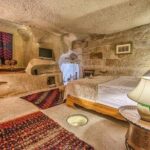
Room quality can vary by season and hotel choice, but the consistent thing here is that you’ll have a base in each region rather than constantly switching lodgings. You should still plan for laundry, hydration, and rest—Turkey travel stacks up quickly when you’re doing ancient sites plus driving.
Who This Tour Fits Best (and Who Might Want a Different Setup)
This is a great match if you want:
- Guided interpretation at major sights like Ayasofya, Ephesus, Gallipoli, and Cappadocia.
- The convenience of included transport and entrance fees.
- A small group that doesn’t feel like a cattle line.
- A route that covers a lot of Turkey without you handling flights and transfers.
It may not be ideal if you hate travel days, want an ultra-slow pace, or prefer fully independent travel with no group schedule. You should also be aware that the experience requires good weather, so if conditions are poor, changes can happen.
Final Take: Should You Book This Magic Carpet Tour?
I’d book it if you want a strong “Turkey highlight” route that’s organized, guided, and efficient. The best parts are the combination of entrance fees included, domestic flights built into the route, and the way guides like Tamer or Goksu tend to help you understand what you’re seeing—not just photograph it.
I would think twice if you’re the type who needs lots of downtime between stops. The itinerary has momentum. If that sounds fun, go for it. If you’re more of a slow-and-steady traveler, you might prefer a shorter version focused on fewer regions.
FAQ
What’s included in the tour price?
You get a professional English-speaking guide, air-conditioned transportation, ferry fees between Çanakkale and Eceabat, entrance fees, 9 nights of accommodation, 9 breakfasts, and 6 dinners. Domestic flight tickets are also part of the experience (Izmir to Kayseri and Kayseri to Istanbul).
How big is the group?
The tour is a small group with a maximum of 20 travelers.
Are pickup and airport transfers included?
Pickup is offered at the start, and at the end of the tour you’ll be transferred to the airport for your onward flight.
Do I get free time during the trip?
Yes. After the guided sightseeing days, you’ll have time to explore on your own.
Are there any optional activities?
Some activities are optional, such as a half-day Bosphorus cruise and an optional traditional folklore evening in Konya. The tour also notes suggested optional activities.
What if weather is bad?
The experience requires good weather. If it’s canceled due to poor weather, you’ll be offered a different date or a full refund.