REVIEW · ISTANBUL
2 Days Cappadocia Tours From Istanbul by Plane
Book on Viator →Operated by Stoneland Travel · Bookable on Viator
Cappadocia starts with a 4:30 a.m. alarm. That early push is part of the charm here: you’re trading Istanbul’s evening chaos for clear skies and fairy-chimney views in just two days. I like the tight plan that pairs balloon time with a real guided circuit, and you’ll also love that meals are included so you can focus on sights instead of hunting restaurants.
The big payoff is the hot air balloon over Cappadocia and an overnight in Göreme, right in the heart of the cave-hotel vibe. One consideration: the mornings are very early, and the balloon is weather-dependent, so you’ll want to be flexible and pack for cool pre-dawn air.
In This Review
- Key highlights worth your time
- Price and Value: What $1,143.91 Covers
- Day 1 Morning: Istanbul Airport, Kayseri/Nevşehir Arrival, and Check-In
- Uçhisar Castle and Zelve Open Air Museum: Two Ways to See the Same Magic
- Cavusin, Pasabag, and the Fairy-Chimney Route: What Makes This Tour Feel Special
- Avanos Lunch and Crafts: Seramik Clay History and Rug Workshop Culture
- Devrent Valley and Ürgüp Icons: Holies, Caps, and the Mother-Father-Son Chimneys
- Day 2 Balloon Morning: Why the Sunrise Pickup Drives Everything
- Göreme Panorama After the Balloon: Photos, Then More Rock Reality
- Derinkuyu Underground City and Ihlara Valley: A Canyon Hike With Real Church Spaces
- Belisirma Lunch and Selime Monastery: Rest, Then the Rock Fortress Feel
- Pigeon Valley and the Onyx Factory Finish: Light Story, Then Last Stops
- The Tour Style That Works: Small Group, Guide-led Stops, and Packed Days
- Who Should Book This 2-Day Cappadocia Plan
- Should You Book? My Practical Take
- FAQ
- Is the hot air balloon included?
- What if the balloon flight is canceled due to weather or full capacity?
- Where is the overnight stay?
- What meals are included during the tour?
- How long is the Ihlara Valley hike?
- What time does the Day 1 flight leave Istanbul?
- How big is the group?
- Can children join the balloon flight?
Key highlights worth your time
- Hot air balloon flight included, timed around sunrise
- Small group feel, with a maximum of 10 travelers
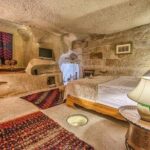
- Overnight in Göreme at a boutique cave-style hotel
- Guided history stops from castles to valleys to monasteries
- Ihlara Valley hike with a walk through canyon churches and carved spaces
Price and Value: What $1,143.91 Covers
This price is not just for sightseeing. You’re paying for a full package that stitches together round-trip Istanbul–Cappadocia flights, transfers, a professional guide, the balloon flight, and an overnight hotel in Göreme. On top of that, you get breakfast plus two lunches, plus entry where the stops list tickets as included.
So the value angle is simple: if you tried to DIY this, you’d spend time solving transport, scheduling balloon logistics, and building a tight route across multiple valleys. This tour does the planning math for you. Also, balloon days can get messy fast if you book separately—here, the schedule is handled as one system.
My only caution is cost sensitivity. If you’re the type who wants long free afternoons with no structure, a packaged plan may feel busy. But if you want maximum Cappadocia per hour, this is priced like an efficiency play.
If you're still narrowing it down, here are other tours in Istanbul we've reviewed.
Day 1 Morning: Istanbul Airport, Kayseri/Nevşehir Arrival, and Check-In

Day 1 begins with pickup from your Istanbul hotel at 4:30 or 5:00 a.m. The transfer heads to Istanbul Airport, and the flight departs at 07:10. You’ll arrive around 08:40 in Kayseri or Nevşehir, then meet the group and transfer onward to Cappadocia for hotel check-in.
This is a practical schedule: it gets you into the Cappadocia region while the day is still cool enough for sightseeing. Still, you should plan like a morning person is driving your body—bring a light layer, and try to sleep on the transport. The tour gives you a hotel base in Göreme, so after the morning circuit you’re not scrambling to find your own late-day lodging.
Once you’re checked in, you start moving through iconic sites. The rest of Day 1 is essentially a guided highlights loop, built around castles, open-air churches, fairy-chimney valleys, and a lunch stop in Avanos.
Uçhisar Castle and Zelve Open Air Museum: Two Ways to See the Same Magic
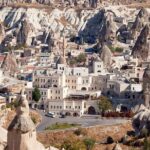
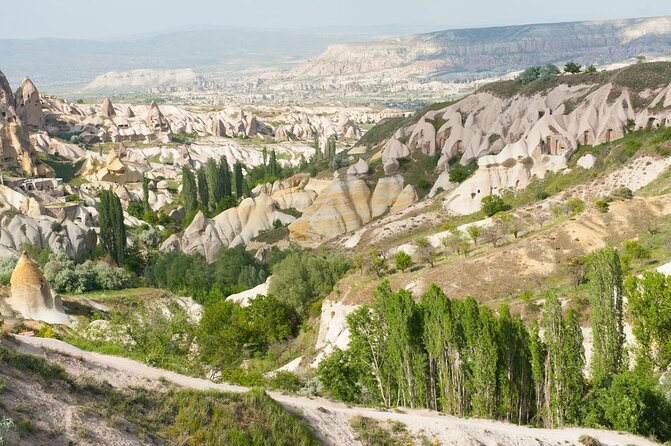
Your first major stop is Uçhisar Castle, positioned on the highest point of the region. The description here matters: it’s not just a viewpoint. You’ll see a distinct castle-like form that includes graves, tunnels, and churches—a mix that’s unique compared with other rock sites in Turkey.
Then you head to Zelve Open Air Museum, a UNESCO World Heritage Site, known for sharp, pointed fairy chimneys. This is a key stop because it shows how people lived in and around the rock formations—not just posing for photos on a roadside overlook.
A drawback to note: both sites involve uneven ground and lots of steps or walking where you’ll want comfortable shoes. If you have mobility issues, you might find the walking a bit demanding. For most people, the payoff is quick—these two stops give you a fast “Cappadocia 101” before you go deeper into valleys.
Cavusin, Pasabag, and the Fairy-Chimney Route: What Makes This Tour Feel Special
Next comes Çavuşin, an old Greek village about 4 kilometers from Göreme. The village is largely deserted due to rock falls, but that history gives it weight. You can also visit the Church of John the Baptist, likely dating to the 5th century, with paintings from the 6th through 8th centuries. The view toward Rose Valley is also part of the reward here.
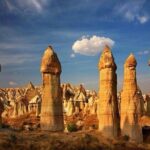
Then you hit Pasabag (Pasha’s Vineyard), famous for the best example of the three-headed fairy chimneys. If you’ve only seen random chimneys in photos, this stop is the one that makes the forms feel real. It’s one thing to spot a cone from a distance. It’s another to see the way multiple chimney tops shape the skyline.
What I like about this portion is pacing. The stops are close enough to keep momentum, but each has a different “angle”:
- castle logic at Uçhisar
- living-rock scale at Zelve
- village history at Çavuşin
- chimney drama at Pasabag
Avanos Lunch and Crafts: Seramik Clay History and Rug Workshop Culture
Lunch happens in Avanos, around a restaurant stop where you start with soup and then do self-service. It’s timed so you can eat without losing the day. Keep in mind drinks aren’t included, so if you like coffee, juice, or something cold with lunch, you’ll want to budget for it.
After lunch, you visit Kapadokya Seramik, a ceramics stop tied to clay history. You’ll hear how Hittites around 2000 BC used two types of local materials: terra rosa from the Kızılırmak River and caulin from volcanic hills. The point isn’t trivia for trivia’s sake—it explains why Avanos is the ceramics hub in the region.
Later, there’s a stop at Sentez Avanos Hali rug workshop/store. This is more than a sales stop if you approach it with curiosity. You’ll get the idea that patterns function like coded meaning—messages, beliefs, and symbols—and that women’s weaving reflects joys and sorrows across generations.
Here’s the honest consideration: craft stops can feel like shopping time if you’re not in that mood. If you want pure scenery, treat these as cultural breaks, set a firm rule for yourself (browse only), and don’t feel pressured.
Devrent Valley and Ürgüp Icons: Holies, Caps, and the Mother-Father-Son Chimneys
In the afternoon, you go to Devrent Valley, described as ruins spread over three valleys, with fairy chimneys showing on large stems. It’s a good photo area, but it’s also a solid “pattern recognition” stop: you’ll start spotting the same shapes again and again, which helps your brain map the region.
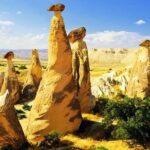
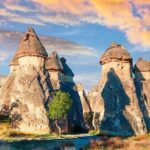
Then you reach Ürgüp, where the tour calls out the iconic fairy chimneys with caps. You’ll learn the formation idea: tufa and volcanic ash for the cone body, and a harder rock for the cap. The tour also points to a recognizable grouping called the holly spirit chimneys, described as mother, father, and son staying together.
Why this works on a two-day schedule: these sites help you remember what you saw earlier, instead of feeling like you just visited a list of viewpoints. You’ll leave Day 1 with a mental catalogue of the main chimney styles.
Day 2 Balloon Morning: Why the Sunrise Pickup Drives Everything
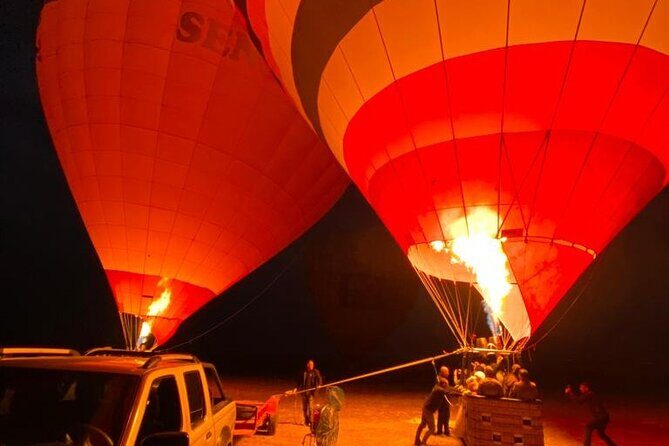
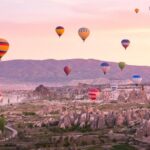
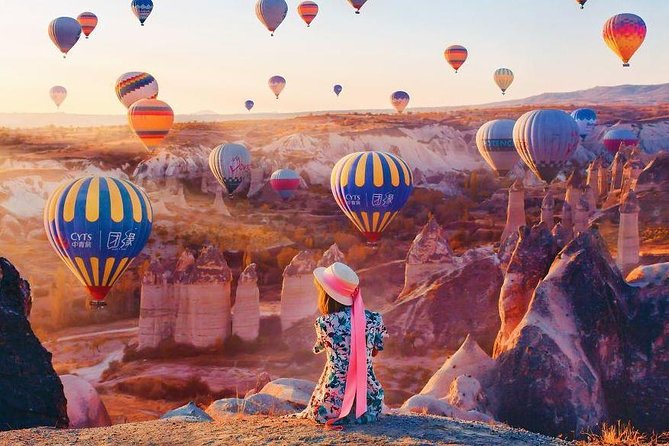
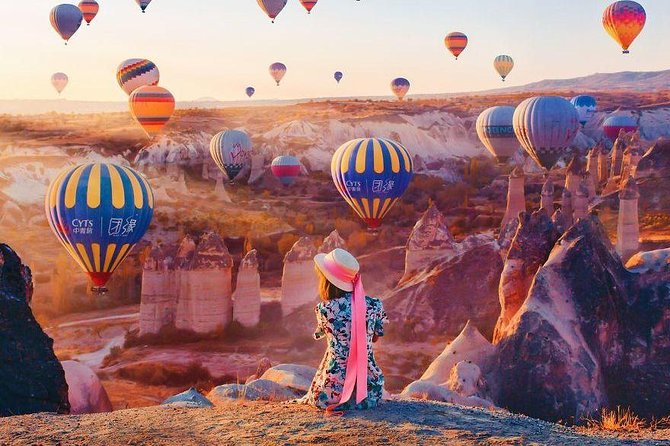
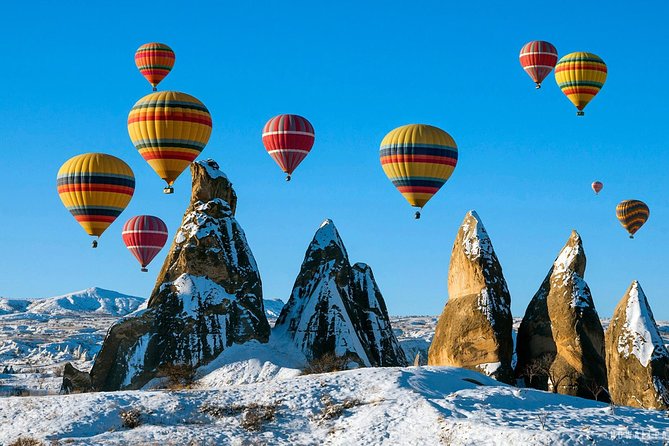
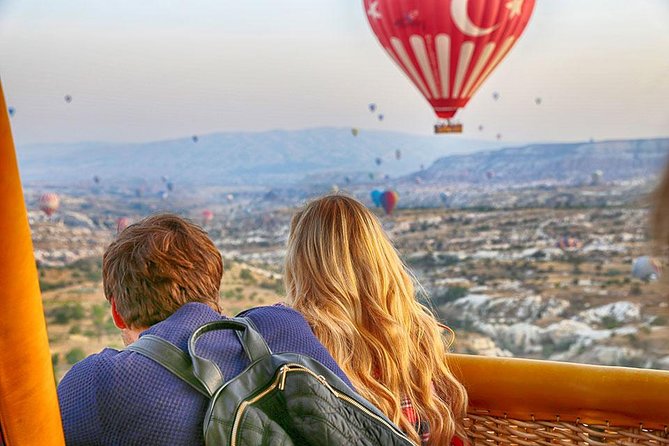
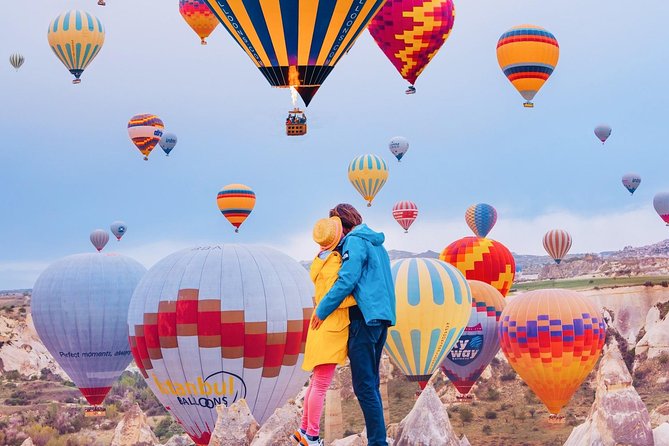
Day 2 starts before sunrise for the hot air balloon flight. Pickup is from your hotel before the flight, and you’re looking at roughly one hour in the air. After landing, the schedule drops you back to the hotel, and the day continues with a total flow that keeps you from feeling abandoned by the morning excitement.
Balloon flights are included, and the tour also notes what happens if weather or capacity cancels it: you receive a €75 refund per person if the flight is canceled due to weather conditions or full capacity. Children ages 0 to 6 can’t go on the balloon, and children must be accompanied by an adult.
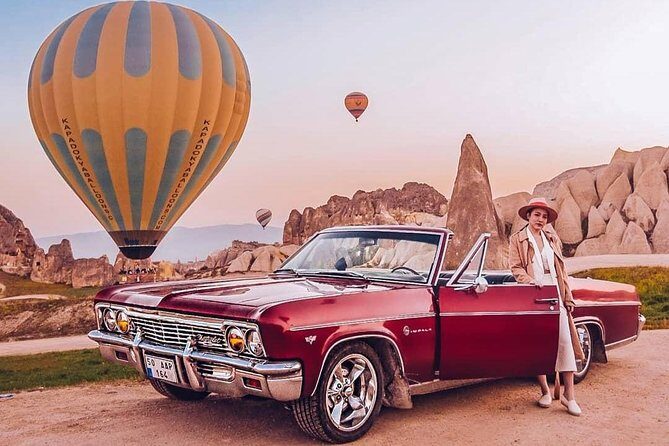
This is where you should adjust expectations. You’re not buying a guaranteed view of the sunrise. You’re buying the best chance to see Cappadocia from above when conditions cooperate. If you can handle a little uncertainty in exchange for the iconic experience, this part is worth it.
Göreme Panorama After the Balloon: Photos, Then More Rock Reality
Around 09:30, you’re picked up and you first stop at Göreme Panorama. The guide provides context about Cappadocia’s formation as you watch the fairy chimneys, then you get free time for photos.
This stop is a smart buffer. Balloon flight time can be intense. Panorama time lets you reframe what you saw in the sky into something you can locate on land. If you’re the type who likes to photograph, you’ll appreciate the structured chance to step away from moving and just look.
Again, this day stays active, so treat photo time as photo time. Don’t lose it chatting endlessly when you’ll still have underground caves and canyon hiking later.
Derinkuyu Underground City and Ihlara Valley: A Canyon Hike With Real Church Spaces
Next on Day 2 is Derinkuyu Underground City. You drive about 40 minutes, then spend almost 1 hour underground with clear explanations from your guide. The tour description ties the site to local use as a natural deep freeze, and later Roman shelter against potential Arabian invasions.
Underground cities can either feel like a narrow tunnel maze or like a story you can almost see. With a guided explanation built in, you’ll likely get the second effect: you start understanding why these spaces were designed for survival.
Then comes Ihlara Valley, about 52 km from Derinkuyu, reached roughly 45 minutes later. You hike about 3.5 km over about 1 hour and 15 minutes. The tour frames the valley’s origin as volcanic action from Mt. Hasan, then erosion by the Melendiz River over millions of years, producing an 80-meter-deep canyon across a 14 km length.
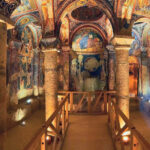
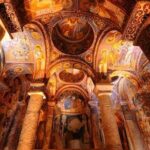
You also get the human layer: in the past, Christians lived in parts of the valley and carved churches and painted them. That’s why this hike feels different from a normal walk. You’re walking beside evidence of belief carved into stone.
A practical caution: canyon walls and uneven paths can be slippery. Wear shoes you trust. Also, you’ll work up energy on a cool day, so layer up.
Belisirma Lunch and Selime Monastery: Rest, Then the Rock Fortress Feel
Lunch is in Belisirma near the river. You get 1 hour for lunch, and the tour notes a start with soup and salad, then choosing one main dish, with season fruits to finish. This timing helps you reset after the hike without dragging the afternoon.
Then you go to Selime Monastery, described as looking at first like a castle. The key point is what’s inside: shelters, churches, chapels, bedrooms, storages, and a big cathedral space. You also get information about monastic life in Cappadocia.
Selime is one of those stops where your brain goes from scenery mode into “people lived here” mode. That shift is the reason the tour works so well for two days—it changes your relationship to the rocks from view to witness.
Pigeon Valley and the Onyx Factory Finish: Light Story, Then Last Stops
After Selime, you’ll climb to Pigeon Valley, and the tour openly notes that climbing can exhaust you, but there’s also about 1 hour to rest before you arrive at Pigeon Valley. You’re given cultural and story context on the way.
Then pigeons are part of the scene. The tour explains why: pigeons were important to local people, and their eggs and droppings were used for different purposes. Local people even carved houses for pigeons into the slopes of the valley.
Finally, your last scheduled stop is Kapadokya El Sanatları Merkezi, an onyx factory visit in Uçhisar. The tour describes onyx as a volcanic stone with various colors and mineral content, then shows you the shaping steps through a demonstration.
This ending is practical. You’re close to the airport travel rhythm, and the onyx demonstration is a short way to end the cultural circuit before flying back to Istanbul.
The Tour Style That Works: Small Group, Guide-led Stops, and Packed Days
This experience is built for a group size capped at 10 travelers, with a professional guide and English provided. That matters. In busy Cappadocia traffic and crowds, a small group can feel calmer. You’re also less likely to feel lost when you walk into museums, valleys, and underground spaces.
The schedule is packed, but it’s not random. Day 1 sets you up with castles and museums that teach shapes. Day 2 shifts into balloon views, then underground and canyon spaces that teach how people survived and worshiped.
The meals are also a meaningful part of why it feels smooth: you’re guaranteed 1 breakfast and 2 lunches, and that prevents the most common travel-plan failure—running hungry, then wasting time.
If you want total downtime, you’ll likely want to add your own buffer day in Göreme. But if your goal is to see the biggest hits with guidance and not stress logistics, this plan fits.
Who Should Book This 2-Day Cappadocia Plan
You’ll probably love it if you:
- want maximum Cappadocia in only two days
- care most about balloon time plus guided highlights
- like a guided pace through valleys, churches, and rock formations
- prefer transfers and flights handled for you from Istanbul
You might want to rethink it if you:
- hate early mornings and are fragile with sleep disruption
- want lots of free roaming without structure
- dislike craft or store stops (even though you can browse lightly and move on)
Should You Book? My Practical Take
I’d book this when your priority is clear: balloon plus classic Cappadocia highlights, all packaged from Istanbul with hotel and meals included. The pricing makes more sense if you value the logistics being solved for you, especially the flight planning and the balloon scheduling.
If you’re deciding between doing everything solo and joining this group, ask yourself one question: do you want to spend your limited time in Cappadocia solving transport, finding reputable balloon operations, and building your own route? If the answer is no, this is a strong shortcut.
One last nudge: pack for early mornings and walking. Comfortable shoes and a light jacket can be the difference between enjoying the canyon hike and thinking about your feet all day.
FAQ
Is the hot air balloon included?
Yes. The hot air balloon flight is included, and it runs for about one hour. Pickup is before sunrise on Day 2.
What if the balloon flight is canceled due to weather or full capacity?
If the balloon flight is canceled because of weather conditions or full capacity, a refund of €75 per person is provided.
Where is the overnight stay?
You stay overnight in Göreme at a boutique hotel.
What meals are included during the tour?
Breakfast is included once, and lunch is included twice. Dinner and drinks are not included.
How long is the Ihlara Valley hike?
You’ll hike about 3.5 km, and the hiking time is about 1 hour and 15 minutes.
What time does the Day 1 flight leave Istanbul?
The flight departs Istanbul at 07:10, after hotel pickup at either 04:30 or 05:00.
How big is the group?
The tour has a maximum of 10 travelers.
Can children join the balloon flight?
Children ages 0 to 6 cannot go on the balloon flight. Children must be accompanied by an adult.
If you want, tell me your travel month and your comfort level for early mornings and walking, and I’ll suggest the best approach for packing and timing around this exact schedule.