REVIEW · ISTANBUL
9 Days Istanbul Ankara Cappadocia Konya Pamukkale Ephesus
Book on Viator →Operated by Adam's Holiday · Bookable on Viator
Big cities to underground churches, in one run. This 9-day Turkey route strings together the big hits—Istanbul’s landmarks, Cappadocia’s surreal valleys, and Ephesus’s ruins—with a guide-led pace and included museum tickets. I especially like how much is handled for you: airport transfers, hotel pickup, domestic flights, and practical timing across multiple regions. One thing to consider: it’s a fast-moving itinerary, so you’ll spend more time in transit than you would on a slower, single-city vacation.
A small group size (up to 15) helps the days feel organized instead of chaotic. In the best sense, it also keeps you from getting lost in logistics while you’re trying to enjoy places that can overwhelm you on your own. If you like lots of free wandering, you’ll need to save energy for the dedicated Istanbul free day near the end.
In This Review
- Key highlights at a glance
- Istanbul Days 1 and 2: Palaces, domes, and the Grand Bazaar on day one
- What to watch for
- Bosphorus Day 3: Bridge views, Spice Market aromas, and a boat ride that changes the whole mood
- Practical tip for this day
- Transfer to Ankara and Anıtkabir: Atatürk’s monument day that actually teaches context
- The one drawback
- Cappadocia in one day: Underground escapes and fairy-chimney viewpoints
- Who this fits best
- Konya and Mevlana: The whirling-world museum stop that slows you down
- Quick reality check
- Pamukkale’s cotton terraces and Hierapolis ruins: One ticket, two kinds of awe
- Practical note
- Ephesus and the Virgin Mary’s House: Roman grandeur plus a spiritual pause
- What you’ll appreciate
- Return day in Istanbul: Your free time reset and an easy departure
- How to use your free hours well
- Price and logistics: What you pay for, and why it can still be good value
- One consideration on value
- How this tour feels day-to-day
- Who should book this (and who should skip it)
- Should you book it?
- FAQ
- How long is the tour?
- Is hotel pickup included?
- What languages are available?
- Are museum tickets included?
- Are flights included?
- What meals are included?
- What is the group size limit?
- drinks included?
Key highlights at a glance
- Guided museum days with admission included on the core sights
- Bosphorus boat time plus a market stop, for views and local flavor in the same day
- Cappadocia classics: Göreme Open Air Museum, Uçhisar, Devrent Valley, and an underground city
- Konya stops with meaning at Mevlana and its museum complex
- Pamukkale + Hierapolis paired efficiently, so you don’t have to make two separate trips
- Ephesus with a spiritual add-on at the Virgin Mary’s House
Istanbul Days 1 and 2: Palaces, domes, and the Grand Bazaar on day one
You start in Istanbul, with an arrival transfer that gets you from the airport to your hotel without stress. The second day is packed, but it’s the kind of packed that makes sense: the Ottoman and Byzantine heavyweights are close enough that a guide-led plan keeps you moving in the right direction.
Topkapi Palace is the big opener. Built under Sultan Mehmed II after the conquest of Constantinople, it was home to Ottoman sultans for centuries. The palace layout makes it easier to understand power and daily life across eras—think of it as the Ottoman version of a once-untouchable command center. You’ll want comfortable shoes here. Palace museums can turn into a long walk if you rush.
Next comes the Hippodrome, tied to the city’s older identity as Byzantium. It’s shorter on time, but it helps you connect the dots: this is where chariot racing and public entertainment shaped civic life long before modern Istanbul felt like it does today.
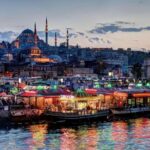
Then you hit the Blue Mosque, built between 1609 and 1616 under Sultan Ahmed I. It faces Hagia Sophia across Sultanahmet Square, which is a helpful detail for your photos and your sense of place. If you plan to visit later in the day, go early enough that you’re not fighting crowds to get a decent angle.
After that, the guide points you to Hagia Sophia (Ayasofya). The key idea is repetition across rebuilding: the same site was constructed three times. Today’s building is the “third” Hagia Sophia. You don’t need to be a scholar to appreciate it—you’ll just feel how different layers of empires sit on top of each other in one place.
Finally, the Grand Bazaar closes the loop with 15th-century origins tied to Sultan Mehmet II. You get about an hour, which means you won’t solve shopping forever—but you’ll be able to see the covered bazaar structure and get a quick read on how these markets worked as part of the city’s economy. If you want to shop, keep it light. If you want to people-watch, plan to slow down for a few minutes once you’re inside.
Other Multi-City Turkey Tours reviews in Cappadocia & central Turkey

What to watch for
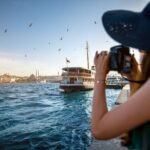
This day is visually intense. After Blue Mosque and Hagia Sophia, take a moment to hydrate and reset your brain before you go into the Bazaar maze. If you’re prone to museum fatigue, it helps to pick just one or two “must-see” moments per stop and let the rest be bonus.
Bosphorus Day 3: Bridge views, Spice Market aromas, and a boat ride that changes the whole mood
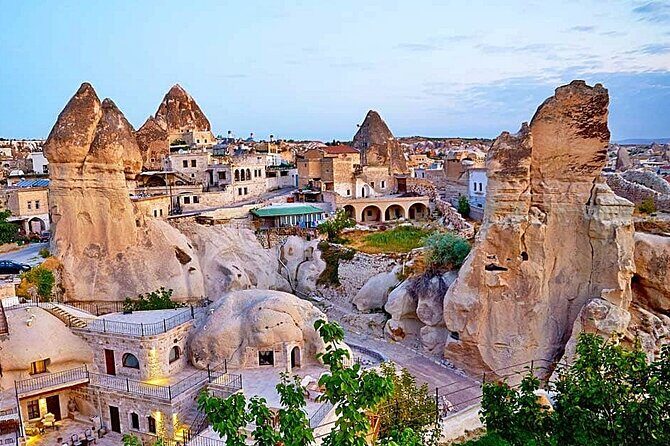
Day 3 is where Istanbul feels less like a monument map and more like a real living city. You start with the Bosphorus Bridge area, then head to Misir Carsisi (the Spice Market / Egyptian Bazaar).
The Spice Market is more than a snack stop. It’s an old bazaar culture cluster, close to a historic mosque complex, with a deep, lived-in feel. You’ll have about a two-hour window, and that’s enough to browse spices and small goods without feeling rushed.
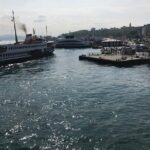
Then you shift to the Bosphorus Strait by boat. This is one of those included experiences that tends to outperform expectations. You pass waterfront landmarks and royal-style palaces, including Dolmabahçe Palace, parks and imperial pavilions connected to Yıldız Palace, and the shoreline near Çırağan Palace. You’ll also pass through Ortaköy, where the text notes different religious communities living side by side for centuries. Even if you don’t linger, it’s a quick way to understand Istanbul’s patchwork identity.
Practical tip for this day
Bring something light for the boat. Even if it looks calm, water-crossing wind can surprise you, and you’ll feel it more after several walking hours.
Transfer to Ankara and Anıtkabir: Atatürk’s monument day that actually teaches context
After Istanbul, you’ll be picked up from your hotel at 1 pm for transfer to Ankara. That’s a helpful time detail because it reduces the “what do we do in the morning” problem.
In Ankara, the day centers on Anıtkabir, the mausoleum and memorial for Mustafa Kemal Atatürk. It’s described as lasting 57 years in his life story and linked to the Turkish Independence War and the Turkish Revolution. You’re not just touring a big building; you’re stepping into the country’s modern founding narrative. If you like history that connects to current identity, this stop hits.
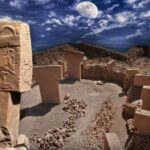
You also visit the Anadolu Medeniyetleri Müzesi (Anatolian Civilizations Museum). The museum sits across Ottoman-period buildings and includes a museum approach that uses virtual tours, animations, and replicas to explain sites such as Göbeklitepe. That matters because not every museum is good at translating deep time into something you can actually follow in a single visit. Here, you have tools that make it easier.

The one drawback
Ankara days can feel more “learning heavy” than the scenic ones. If you’re the type who likes pretty views more than museum interpretation, pace yourself here. Take breaks, and don’t try to read everything at once.
Cappadocia in one day: Underground escapes and fairy-chimney viewpoints
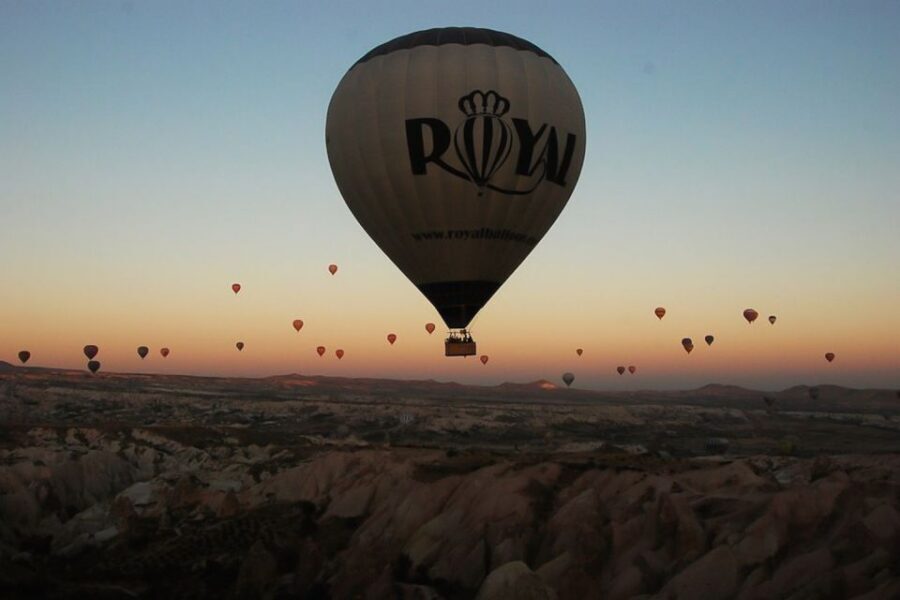
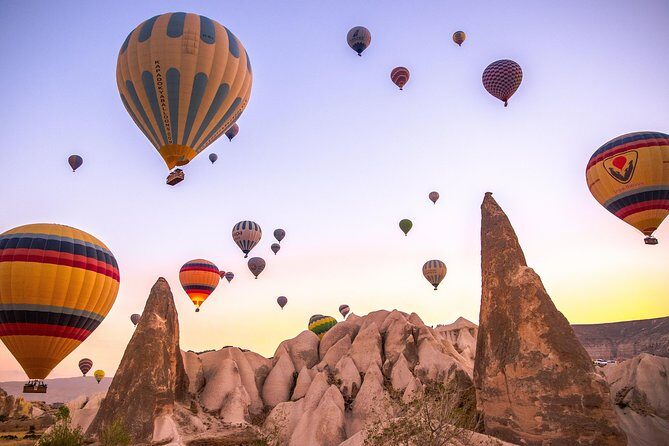
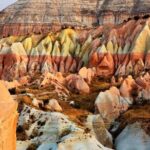
Cappadocia is where the itinerary starts feeling like a movie set—except you’ll be walking on real rock.
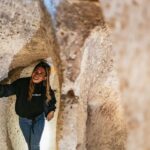
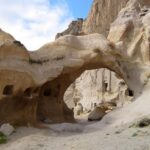
You begin with Özkonak Underground City. The description connects the underground space to early Christians carved into rock during periods of pressure and raids. That gives the site a clear human story: this wasn’t a tourist maze; it was protection. The text also references the region’s shifting eras and the leadership of St. Basil in the carving tradition. You’ll get about an hour, which is just enough time to understand the logic of underground living without turning it into a half-day spelunking project.
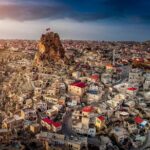
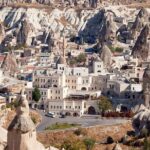
Next is Uçhisar Castle, a natural shelter and watchtower. It’s also tied to the spread of Christianity and early community activity. With a short visit, you’re mainly using it for the viewpoint and the sense of why settlements clustered where they did.
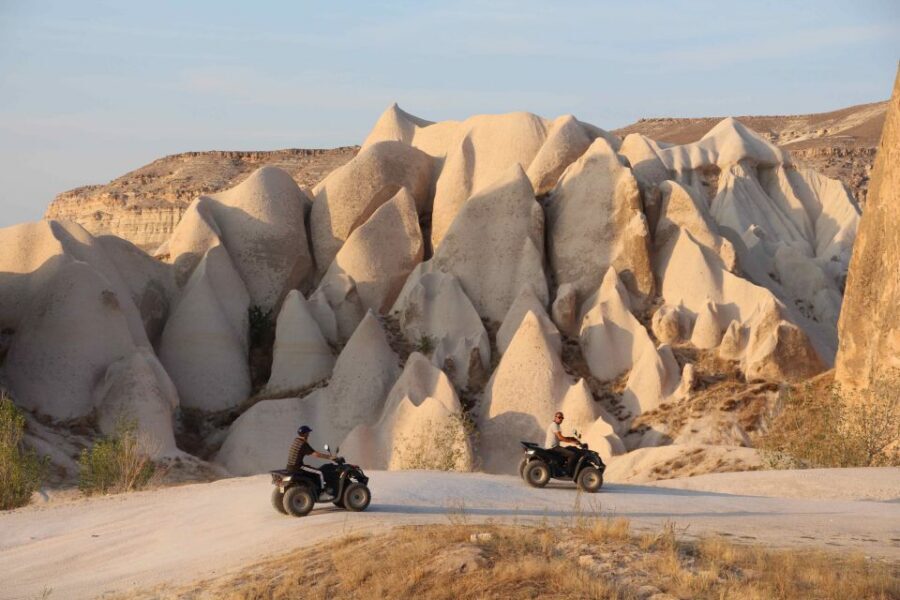
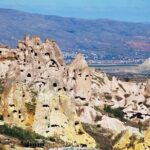
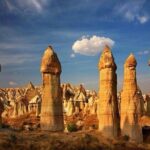
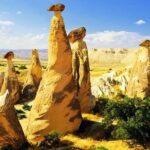
Then comes Devrent Valley, known for its animal-shaped fairy chimneys. Even if you don’t have a guide pointing out every formation, the idea is built into the valley: nature shaped rock, and your eyes do the rest. You get about 45 minutes, which is right for scanning shapes and moving before you get bored.
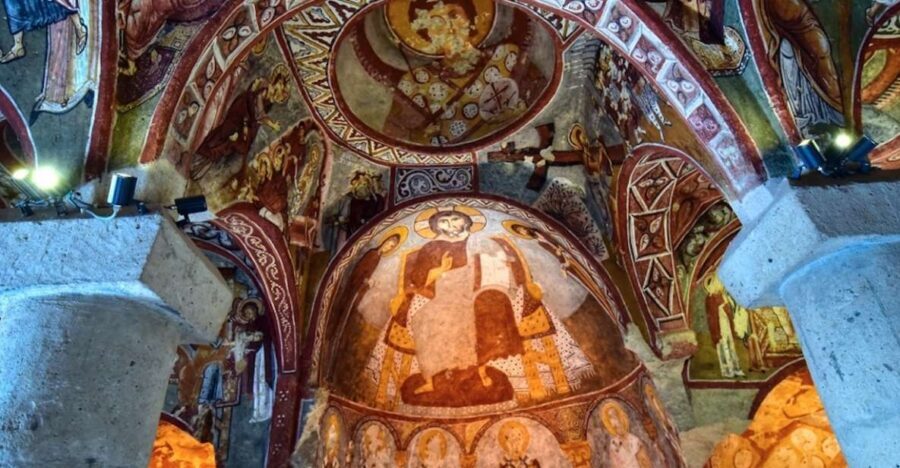
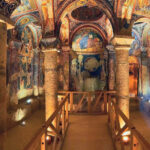
Finally, Göreme Open Air Museum rounds it out. This is the main crown jewel in the region because it contains some of Cappadocia’s best churches and monastic complexes. It’s the stop that helps you understand why people call this place special beyond the scenery. You’ll likely spend an hour, and you’ll feel why it’s the most popular destination here.
Who this fits best
If you want the biggest Cappadocia hits without spending extra days, this approach works well. It’s not the tour for you if you want long, slow hikes between villages and lots of downtime. You’ll be busy, but in a focused way.
Konya and Mevlana: The whirling-world museum stop that slows you down
Day 6 shifts from Cappadocia’s rock shapes to Konya’s spiritual and cultural gravity.
You visit Mevlana Müzesi—the museum complex connected to Mevlana Dergah and the tomb of Mevlana (Hazrat Mevlana). The text mentions the mausoleum was built in 1274 and that other related structures were built in the 16th century. Even if you don’t know every detail of the tradition, the visit gives you a historical sense of how the area developed around spiritual leadership and community life.
Then you move toward Pamukkale.
Quick reality check
Mevlana is a calmer, more inward stop than the exterior sites. It’s a good mental switch after Cappadocia’s constant walking and scanning for formations.
Pamukkale’s cotton terraces and Hierapolis ruins: One ticket, two kinds of awe
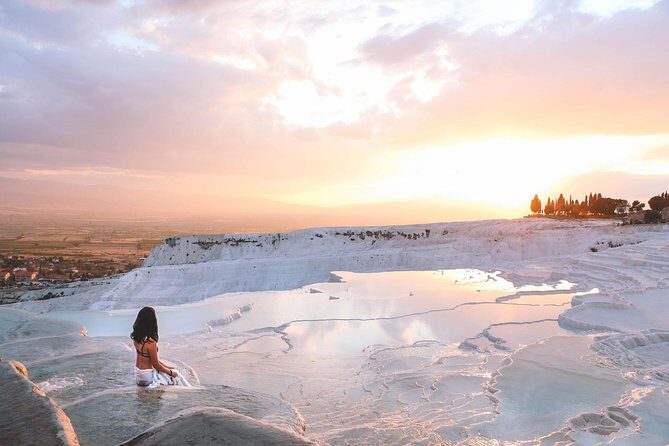
Pamukkale is a visual shock in the best way. The itinerary gives Pamukkale Thermal Pools a short on-site window (about 2 minutes listed for the stop), but also pairs it with Hierapolis & Pamukkale (about two hours). That pairing is smart because the area is famous for its white calcium terraces, but it also carries layers of ancient city life.
Hierapolis is tied to the Roman period and connections to events like Hadrian’s visit (the theatre built in 129 is mentioned) and renovations under later rulers. The description highlights a golden age and the city’s privileges, which helps you frame ruins beyond random stones.
Pamukkale’s appeal is part photo-op, part history. With the two-hour ruins time, you’ll get more than the quick look and actually understand the location as an ancient city area, not just a natural phenomenon.
Practical note
Because the thermal pools part is short, don’t plan on settling in for a long soak experience here. Treat it as a must-see moment, then focus on the ruins and viewpoints so you don’t feel rushed.
Ephesus and the Virgin Mary’s House: Roman grandeur plus a spiritual pause
Day 7 is Ephesus, one of the Mediterranean’s most famous archaeological areas.
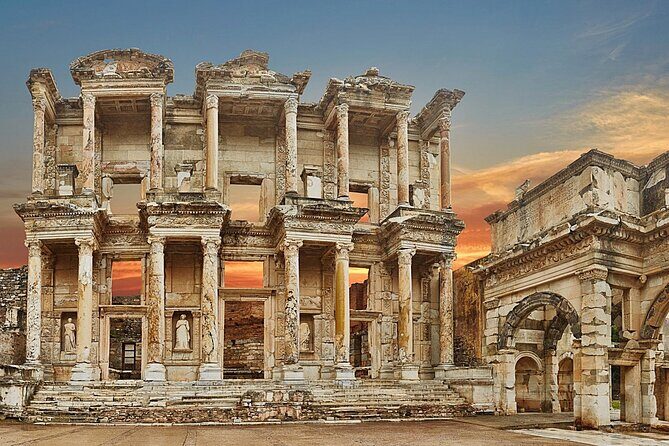
You’ll visit Ancient City of Ephesus with about three hours. Ephesus is described as once an important Greek city and major Mediterranean trading center, plus an early Christian evangelism hub. That combo matters because you’ll likely notice how religious and economic life were intertwined in the city’s growth and influence.
Then you visit Virgin Mary’s House near Selçuk. The stop is much shorter (about two minutes listed), but it’s the kind of place where you feel the intention even without a long schedule. The description says it’s believed to be Mary’s last residence and attracts pilgrims and tourists for contemplation.
What you’ll appreciate
Ephesus can feel enormous. The Virgin Mary’s House stop balances the day with a slower, more reflective shift. It’s not about “more stuff.” It’s about changing your pace so the day doesn’t become only stone and angles.
Return day in Istanbul: Your free time reset and an easy departure
Near the end, you get a dedicated day back in Istanbul with about eight hours of free time. That’s a big deal in a tour like this because you’re not constantly moving from stop to stop. You can rest, do a bit of independent sightseeing, or just enjoy the city on your own schedule.
Then on the final day, you depart to the airport based on timing. The tour includes the transfer, so you’re not stuck figuring out how to get there when the whole trip is ending.
How to use your free hours well
I’d plan your free time for low-effort fun: a neighborhood stroll, a slow meal, or revisiting a spot you loved earlier. With so many major attractions earlier, this is where you turn the trip from a checklist into a memory.
Price and logistics: What you pay for, and why it can still be good value
The price is $3,280 per person for an approximately 9-day route. At first glance, it’s not “budget travel.” But check what’s included, because the list is doing real work.
Included items cover the basics that usually cost you money and time on your own:
- Professional English & Spanish guide
- Domestic flights from İzmir to İstanbul
- Transfers including arrival, departure, and the Istanbul-to-Ankara move
- Museum entry fees for the stops listed
- Accommodation as described on the itinerary
- Meals: breakfast (8), lunch (5), dinner (4)
- Mobile ticket
- A max group size of 15
That meal coverage is important. It reduces day-to-day decisions and helps you avoid the most annoying part of multi-city travel: spending energy hunting for where to eat.
There’s also a small operational advantage. One of the standout themes in the operator’s communication (including changes handled smoothly) suggests they’re paying attention to real-life issues. Even with a tight route, the approach is designed to reduce “waiting around” moments and keep you moving.
One consideration on value
The itinerary is full. If you want lots of downtime, this plan might feel like you’re always checking something off. If you want structure and included tickets, it can feel like value because you’re not paying extra to unlock every stop.
How this tour feels day-to-day
The overall vibe is: guide-led structure with a few scenic breaks. You’re not just seeing famous sites; you’re also switching types of experience—palace/monument day, water-and-market day, modern-national-memorial day, rock-and-underground day, and then back to ruins plus a religious pause.
The small group limit (up to 15) helps keep it from feeling like a factory. And from the operator side, Mr Adam and his team are described as careful and responsive, with support even when plans change last minute. That kind of flexibility matters more than people think, because Turkey routes often depend on the exact timing of flights, museum schedules, and weather.
Who should book this (and who should skip it)
This tour is a good match if:
- You want the classic Turkey highlights in one trip
- You prefer having museum tickets, guides, and transfers handled
- You like a guided pace and can tolerate a full day schedule
- You want to save planning time and reduce decision fatigue
You might want to skip or choose a slower option if:
- You hate long days and constant movement
- You prefer spending multiple nights in only one or two cities
- You need lots of free time daily rather than a single free block near the end
Should you book it?
If your goal is a well-organized route from Istanbul to Ephesus, and you want the big-ticket sights without building the plan yourself, this is a strong option. The included tickets, meals, and transfers do the heavy lifting, and the pacing is built around efficiency rather than random stops.
But if you’re the type who travels best with breathing room, consider whether a 9-day sprint matches your style. This tour rewards travelers who can enjoy structure, not just scenery.
FAQ
How long is the tour?
It runs for approximately 9 days.
Is hotel pickup included?
Yes. You get arrival airport transfer to your hotel, and you are picked up from your hotel at 1 pm for the transfer to Ankara.
What languages are available?
A professional guide is listed for English & Spanish. The tour can be booked in 4 languages if you choose the Thursday section (ENG, ESP, IT, PT). On Saturdays, tours are only available in Spanish and English.
Are museum tickets included?
Yes. Museum entry fees are included for the sights listed in the itinerary.
Are flights included?
Domestic flights from İzmir to İstanbul are included.
What meals are included?
Breakfast is included 8 times, lunch 5 times, and dinner 4 times.
What is the group size limit?
The maximum group size is 15 travelers.
drinks included?
No. Drinks and personal expenses are not included.