REVIEW · ISTANBUL
4 Day Turkey Trip Cappadocia Tour Ephesus Tour Pamukkale Tour
Book on Viator →Operated by Turkey Trips · Bookable on Viator
Four days, three classics, zero hassle. This guided loop takes you from Istanbul to Cappadocia’s cave valleys, then on to Ephesus and finally Pamukkale/Hierapolis—with flights and hotels handled so you can focus on the sites (and not your phone battery).
I especially like the hotel pickup and drop-off in Istanbul, plus the way the day plans fit a lot of walking without feeling chaotic. The guide team—people like Mr. Erkan are specifically praised for running the schedule politely—helps you understand what you’re looking at, not just where to stand for photos. One caution: the itinerary is packed, so you’ll want good walking shoes and patience for travel days.
In This Review
- Key takeaways before you go
- Price and what makes this package feel worth it
- How the tour runs: flights, timing, and small-group pace
- Istanbul pickup to Cappadocia: what you should expect on Day 1
- Kızılçukur (Rose Valley): red rocks, cave dwellings, sunset potential
- Çavuşin: cave settlement history with a dramatic 1960s story
- Love Valley: fairy chimneys in a playful formation
- Kaymaklı Underground City: shelter built by different civilizations
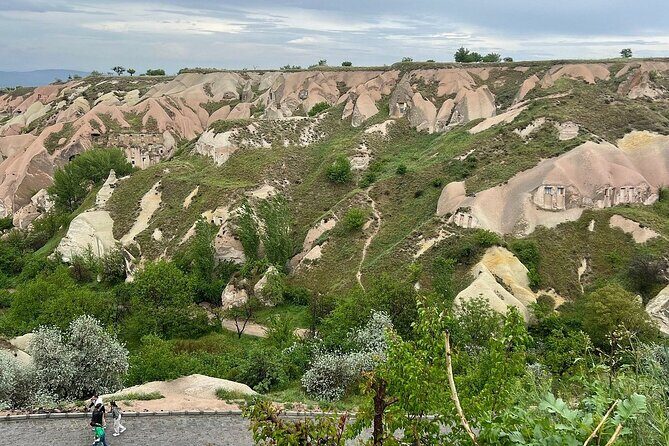
- Pigeon Valley: why birds mattered to local farming
- Uçhisar Castle: Cappadocia’s high viewpoint
- Day 2 in Cappadocia: museums, pottery, and more valleys
- Göreme Panorama: the fast overview that helps everything click
- Göreme Open Air Museum: fresco churches in carved rock
- Avanos: pottery with Hittite-era roots
- Devrent Valley and the geology behind fairy chimneys
- Paşabağları (Monks Valley): three-headed chimney and a chapel
- Uçhisar’s “neighbors”: Ürgüp and the Three Beauties viewpoint
- Ephesus day in Küçadası area: ruins with a full supporting cast
- Ancient City of Ephesus: why it feels so well preserved
- Meryemana (The Virgin Mary’s House): views over Selçuk
- Temple of Artemis: what’s left and what it meant
- Isa Bey Mosque: Seljuk architecture details you’ll notice once you slow down
- Pamukkale and Hierapolis: white terraces, big ruins, and the thermal-pool option
- Hierapolis background: a spa city for many eras
- Grand Theatre: seating scale and steep ruin paths
- Gymnasium: where social life and athletes gathered
- Pamukkale thermal pools: Cleopatra and Ancient pools (swim time not included)
- Where you’ll sleep and why the hotel choice matters
- Who this tour fits best (and who might want to skip it)
- Should you book this 4-day Istanbul loop?
- FAQ
- What’s included in the tour price?
- How do transfers work in Istanbul?
- How many people are in the group?
- Are entrance tickets included?
- Where do we stay during the trip?
- Is lunch included?
- What happens if weather is poor?
Key takeaways before you go
- Istanbul pickup and return cut down the usual “how do we get there” stress.
- Cappadocia Green Tour stops go beyond one viewpoint, including valleys, a church/cave area, and Kaymakli Underground City.
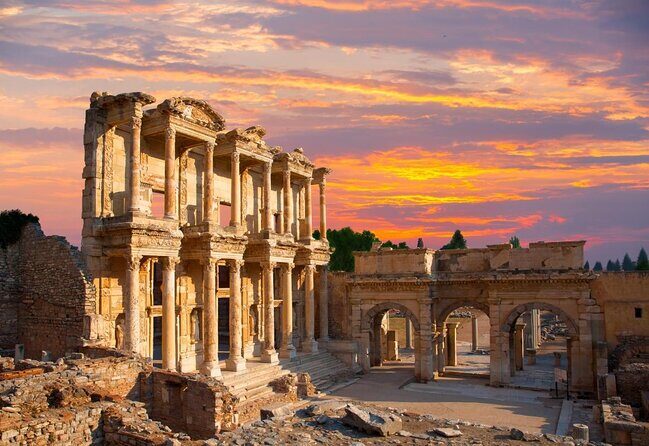
- Ephesus is treated like the main event, with the Library of Celsus, Odeon Theatre, and major highlights laid out.
- Religious and cultural stops pair nicely with ruins, including Meryemana and the Isa Bey Mosque.
- 4-star boutique hotels with breakfast keep the trip comfortable between full sightseeing days.
- Max 15 travelers helps the group move efficiently at busy sites.
Price and what makes this package feel worth it
At $1,483.54 per person for an approx. 4-day tour, you’re not just paying for sightseeing. You’re buying logistics: 3 domestic flight tickets with taxes, airport transfers, accommodation (3 nights), and included entrance fees. That matters because Turkey’s “top sites” are spread out. Without a package like this, you’d spend your time piecing flights, hotels, and tickets together.
This is also a good-value kind of itinerary for people who don’t want to base-hop on their own. You’ll spend your energy on the sights: Cappadocia’s valleys and underground spaces, Ephesus’ big Roman/ancient set pieces, and Pamukkale’s famous white terraces and Hierapolis ruins.
Still, keep expectations realistic. Four days is tight for three heavy-hitters (Cappadocia + Ephesus + Pamukkale). If you like slow travel, you might feel rushed at the end of each day.
Other Multi-City Turkey Tours reviews in Cappadocia & central Turkey
How the tour runs: flights, timing, and small-group pace
The basic flow is straightforward. You get pickup from your Istanbul hotel, then a flight to Cappadocia. Later you fly toward Izmir and stay along the coast in Kuşadası. On the final day, you drive to Pamukkale, then fly back to Istanbul and get transferred to your hotel.
A few practical points make this easier than most “4-day Turkey” packages:
- Small group size (max 15) means less waiting and fewer slowdowns at entrances.
- The tour includes lunch and covers entrance fees for the listed sites.
- You’ll use mobile tickets, which usually saves time at ticket counters.
The trade-off is tempo. Several days include multiple stops with walking—even when each individual stop is only 20 to 3 hours. Plan to rest in the hotel, not in the van.
Istanbul pickup to Cappadocia: what you should expect on Day 1
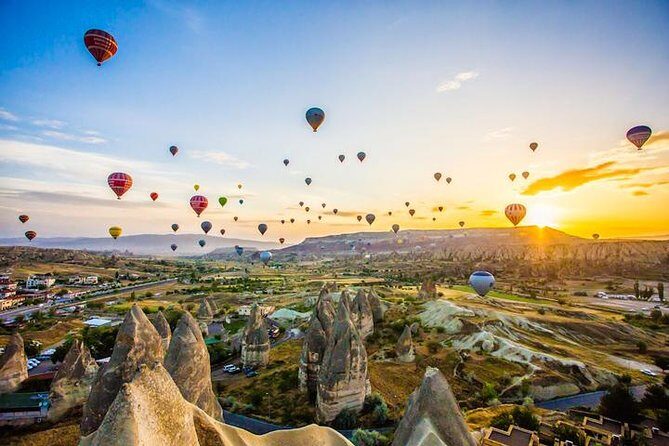
Day 1 is all about switching gears fast. Morning pickup gets you to the airport, and the flight lands you in Cappadocia where you’ll start a “Green Tour” in the Göreme area.
This first day matters because Cappadocia is not one view—it’s layers. You start seeing how the rocks change color, how people carved dwellings into the tuff, and how religion and daily life overlapped in the same places.
Kızılçukur (Rose Valley): red rocks, cave dwellings, sunset potential
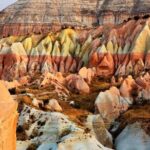
Kızılçukur is often called Rose Valley for the red tones in the rock. It’s also a strong hike area even on a shorter route (the plan notes a 4 km option). What you’re looking for isn’t just scenery. You’ll explore cave dwellings and old churches, and the colors shift with daylight. If you’re a photographer, this is the kind of stop where waiting 10 minutes can change the whole frame.
Çavuşin: cave settlement history with a dramatic 1960s story
Çavuşin (Cavusin) is tied to early Christian settlement, including an oldest church of the region dating back to the 3rd century. You’ll see how the village layout once felt like a real town, with cave rooms used for living, sleeping, kitchens, and even wineries. The plan also notes that parts collapsed after a landslide in 1960, leaving you with a view that feels raw and real.
A few more Cappadocia & central Turkey tours and experiences worth a look
Love Valley: fairy chimneys in a playful formation
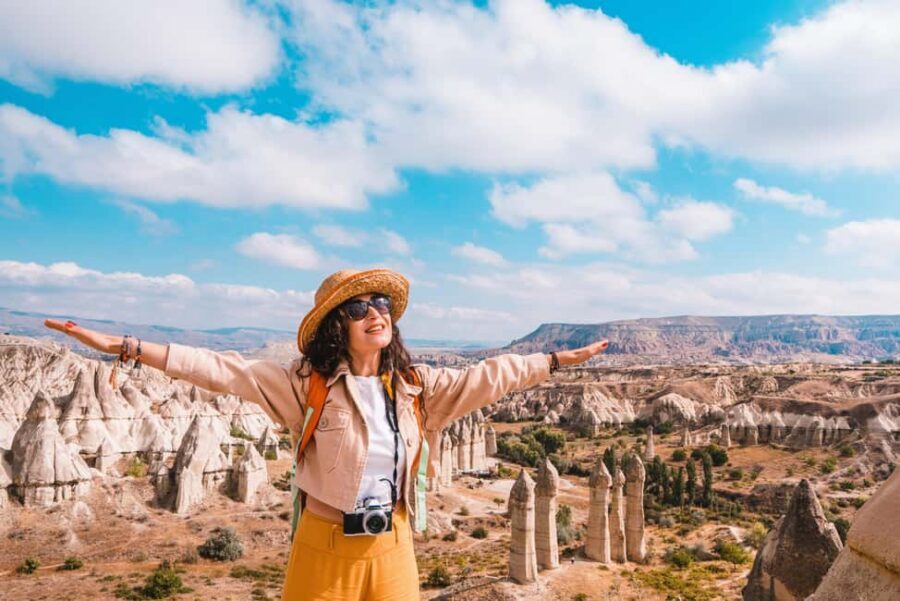
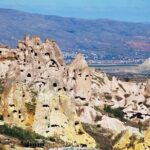
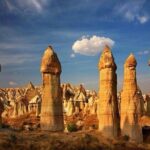
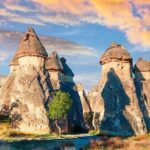
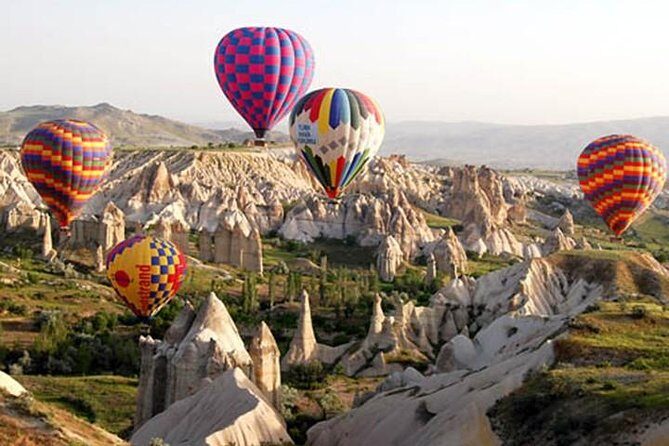
Love Valley (also known as White Valley in its earlier name) gives you the “fairy chimneys” look—those funny, stacked rock shapes that instantly read as Cappadocia. The visit is shorter, but it’s the kind of stop where you’ll want to pause for angles.
Kaymaklı Underground City: shelter built by different civilizations
This is one of the most interesting parts of the whole trip. Kaymaklı Underground City is described as one of the most interesting in the region (there are said to be 36 others). It began with the Hittites, then later Christians used it as shelter during Roman persecution.
When you tour Kaymaklı, you’re not just seeing tunnels. You’ll visit rooms connected by passageways, including areas noted for food storage, a church, and kitchens. The chimneys and defense-style systems are the surprise factor here. It’s a reminder that this region wasn’t only for monks—it was for survival.
Pigeon Valley: why birds mattered to local farming
Pigeon Valley is a quick panoramic viewpoint, but with a clear purpose. It focuses on pigeon houses used to collect droppings that fertilized vineyards. It’s a detail that helps you see agriculture where you might have expected only tourists and views.
Uçhisar Castle: Cappadocia’s high viewpoint
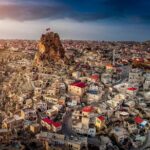
Uçhisar is the highest point in the area in this plan. The citadel settlement area originally helped defend against enemies, and the top offers wide panorama views. If Day 1 feels like it’s throwing information at you (it is), Uçhisar is a good “reset” stop where your brain can take in the whole region at once.
Day 2 in Cappadocia: museums, pottery, and more valleys
Day 2 leans into the “why” behind what you saw yesterday. You’ll start with views over Göreme, then hit the big open-air religious site, then move into craft and rock-formation geology through several valleys.
Göreme Panorama: the fast overview that helps everything click
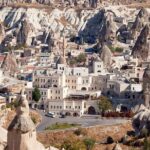
The Göreme Panorama stop is 30 minutes, but it’s useful. It gives you a clear look across Göreme town and its cave houses. After Kızılçukur and Çavuşin, this viewpoint makes the whole region feel connected.
Göreme Open Air Museum: fresco churches in carved rock
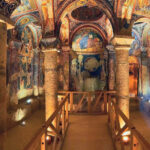
The Göreme Open Air Museum is described as the first and biggest monastery area, with churches, chapels, and monasteries carved into the fairy chimneys. You’ll see frescoes painted from the 10th to 13th centuries, plus the plan’s note about major figures connected to the early formation of monastic unity: St. Basil (Kayseri), St. Gregory of Nyssa, and St. George of Nazianzus.
The key benefit here is scale and context. This isn’t one cave church. It’s a whole cluster, and the guide explanations help you connect art, faith, and architecture.
Avanos: pottery with Hittite-era roots
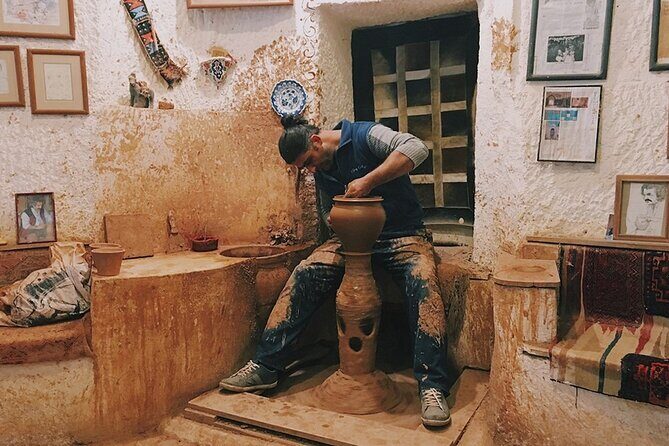
Avanos is a craft-focused stop, known for pottery. The red clay used by local craftsmen is said to come from residue in the Kızılırmak River, and Kızılırmak is described as Turkey’s longest river. Even if you don’t buy anything, it’s a nice change from rock-carved sites.
Devrent Valley and the geology behind fairy chimneys
Devrent Valley is known for different fairy-chimney shapes—mushroom-like forms, pillars, cones, and caps. Here, you’ll also get the “how it formed” explanation: tuff layers shaped by smaller volcanic activity plus wind and water erosion.
A walk through Devrent is where Cappadocia starts to feel like a nature lesson—not just a scenic postcard.
Paşabağları (Monks Valley): three-headed chimney and a chapel
Paşabağları is famous for fairy chimneys with multiple stems and caps. The plan notes a chapel dedicated to St. Simeon, and a hermit’s shelter built into one chimney with three heads. This stop is good for anyone who likes symbolism—because it shows how people used the terrain for worship and living.
Uçhisar’s “neighbors”: Ürgüp and the Three Beauties viewpoint
The tour ends Day 2 with Ürgüp viewpoints, including Three Beauties, plus notes about wine factories, vineyards, and apricot gardens. It’s a scenic end to a day that has been more intellectual and architectural than beachy.
Ephesus day in Küçadası area: ruins with a full supporting cast
Day 3 is your big ancient-city day. You’ll spend about 3 hours at the Ancient City of Ephesus, then add major nearby highlights tied to religious history and local Seljuk architecture.
Ancient City of Ephesus: why it feels so well preserved
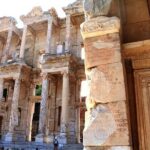
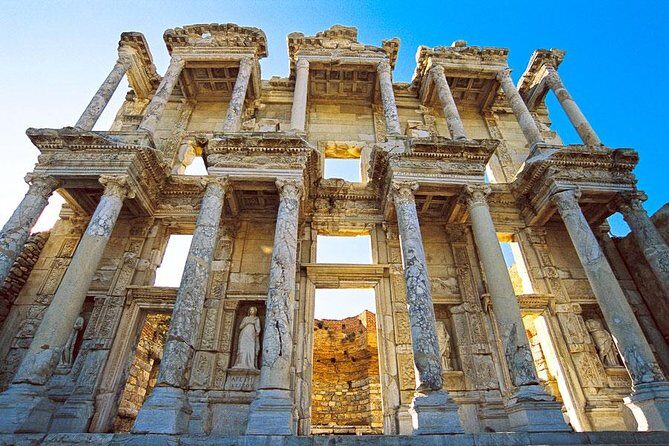
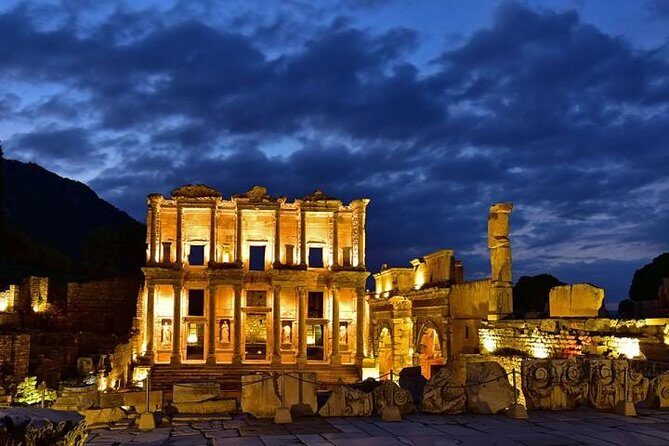
Ephesus is described as the second largest ancient city in the ancient world, once home to over 200,000 people. What you’ll see today is said to be among the best preserved. In practice, that means you’ll recognize major structures instead of just wandering among fragments.
This day includes multiple Ephesus highlights, so it won’t feel like one long hallway of ruins. Instead, you’ll move from major features to the showpieces:
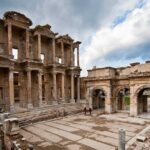
- The Library of Celsus (dating to 117 A.D.) with its two-story Roman architecture.
- The Odeon Theatre, including its historic role for Senate meetings and later theatre shows.
- A theatre/music use as part of the Ephesus circuit.
- The Trajan Brothel area, tied to the statue of Priapus with an oversized phallus.
That last stop might not be your cup of tea, but it’s part of the city’s story. It’s also a good reminder that ancient cities had complicated, human-scale life—not just temples.
Meryemana (The Virgin Mary’s House): views over Selçuk
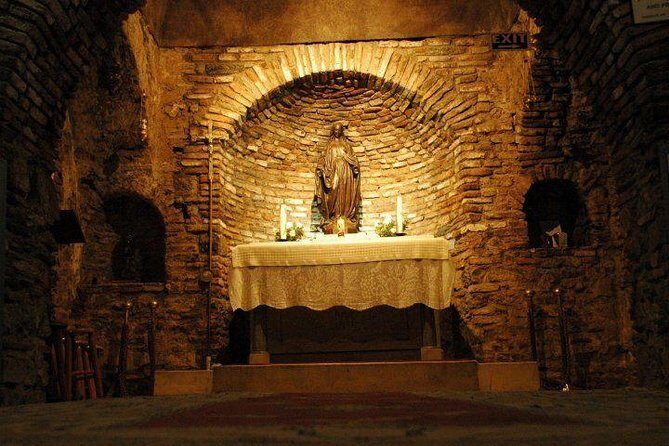
After the ruins, you’ll go to Meryemana, the House of the Virgin Mary on BulBul Mountain, overlooking Selçuk. It’s described as a major Christian pilgrimage site, connected to the belief that Mary spent her last years there. Even if you’re not religious, the setting gives you breathing room after Ephesus’ dense stone.
Temple of Artemis: what’s left and what it meant
You’ll see the Temple of Artemis foundations and a few columns. It’s described as dating back to as far as the 6th century B.C. and as one of the Seven Wonders of the ancient world. The value of this stop isn’t the leftover stones alone—it’s how it sets the historical stage for the Ephesus story.
Isa Bey Mosque: Seljuk architecture details you’ll notice once you slow down
The Isa Bey Mosque dates to 1374 and 1375, and the plan highlights crown-like doors and beautiful mosaics. The stop is about 30 minutes, so treat it like an architectural sprint: look at entrances, surfaces, and patterns instead of trying to see everything equally.
Pamukkale and Hierapolis: white terraces, big ruins, and the thermal-pool option
Day 4 starts early. After check-out and breakfast, you’re picked up around 07:30 and driven to Pamukkale. Then you tour Hierapolis, including major ruins, and later you head to the Pamukkale airport for about an hour flight back to Istanbul.
Pamukkale is a visual shock after days of caves and city ruins. The famous white terraces (and the thermal pool idea) make the whole day feel lighter, even though you’ll still walk.
Hierapolis background: a spa city for many eras
Hierapolis is described as dating back to the 2nd century. People came for cures and treatment, and over time it became a spa city with influences noted as Pagan, Roman, Jewish, and Christian. That mix is why the ruins feel less like one strict era and more like a layered place.
Grand Theatre: seating scale and steep ruin paths
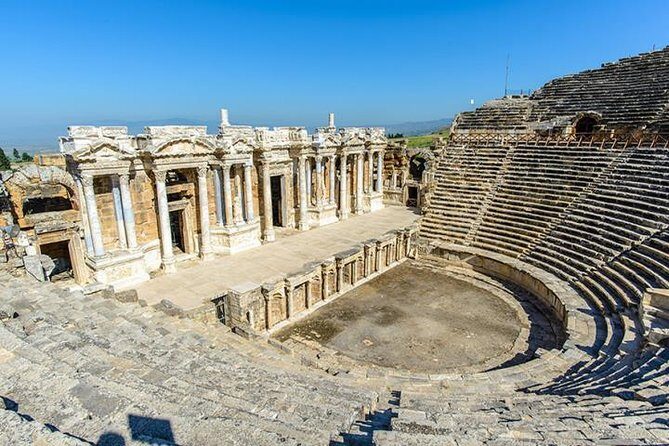
The Grand Theatre of Hierapolis is highlighted as a major attraction, with the capacity noted as up to 15,000. What you see today includes steep passageways and aisles down to the main stage. It’s a good stop to take a photo, then immediately take a slow walk to feel how the terrain works.
Gymnasium: where social life and athletes gathered
The plan describes the gymnasium as a social gathering place and a spectator area in Roman times. It also served athletes and functioned like a training facility. It’s one of those stops where you can almost imagine the crowd energy, even when the walls are quiet.
Pamukkale thermal pools: Cleopatra and Ancient pools (swim time not included)
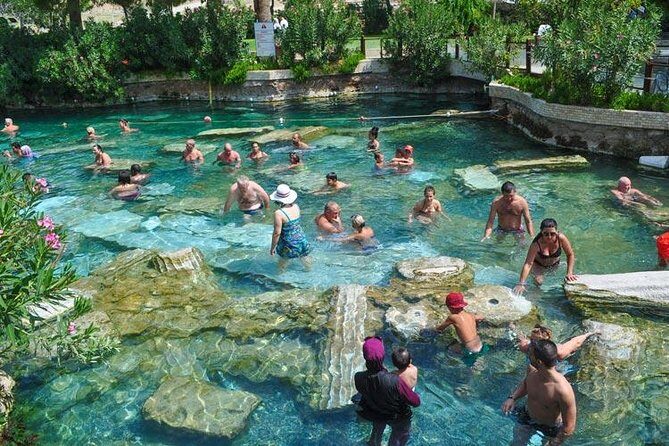
The schedule includes a break at the Cleopatra Thermal Pool and Ancient Pool, with a swimming break time. The plan notes swimming is not included, so budget your time and money accordingly if you want to get in.
Even without swimming, the area is worth it just for the terraces and the contrast against the ruins you toured earlier.
Where you’ll sleep and why the hotel choice matters
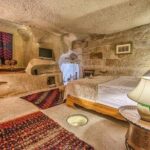
This package uses 4-star boutique hotels with breakfast. Boutique can mean smaller, more characterful properties, and the biggest practical win is a reliable baseline after a day of heavy sightseeing.
The itinerary also specifies that after flying to Izmir, you stay in seaside Kuşadası. That matters because Ephesus is inland from the coast. A coastal base often makes evening hours feel more relaxed than being stuck in a dead-end transit hotel.
And yes—breakfast being included is a real value point. When your schedule starts early (especially on Day 4), having breakfast covered saves you time and decision fatigue.
Who this tour fits best (and who might want to skip it)
This tour is a strong fit if you:
- want major sights in one tight timeframe without stitching logistics yourself,
- like guided context so stops like underground cities and open-air museums feel meaningful,
- enjoy photos but also want to understand what you’re photographing,
- prefer a small group (max 15) over large bus crowds.
You might want to look for something slower if you:
- hate early starts and long transit days,
- want lots of free time to wander independently,
- prefer to swim and relax without built-in “see everything” pressure.
Should you book this 4-day Istanbul loop?
If you’re aiming to hit Cappadocia + Ephesus + Pamukkale with flights and hotels handled, this package makes sense. The strongest selling points are the efficient Istanbul transfers, the multi-stop Cappadocia plan (including Kaymaklı Underground City), and the way Ephesus isn’t treated like a quick stop—it gets real time and multiple highlights.
My call: book it if you want structure and value. Pack for a lot of walking, and don’t plan on sleeping late. If you love guided explanations and want a curated route that covers the big names without DIY stress, you’ll likely feel satisfied at the end of Day 4.
FAQ
What’s included in the tour price?
The package includes 3 domestic flights with airport taxes, 3 nights in 4-star boutique hotels with breakfast, airport transfers, a small-group guided tour, and entrance fees. Lunch is included, while dinner and drinks are not included.
How do transfers work in Istanbul?
You’re picked up from your Istanbul hotel in the morning and returned to your hotel after the final flight back from Pamukkale to Istanbul.
How many people are in the group?
The tour has a maximum of 15 travelers, which helps keep sightseeing moving.
Are entrance tickets included?
Yes. The tour lists entrance fees as included, and it also notes mobile tickets.
Where do we stay during the trip?
You stay in 4-star boutique hotels with breakfast, and after Cappadocia you fly to the Izmir area and stay in seaside Kuşadası.
Is lunch included?
Yes. Lunch is listed as included in the tour package, while dinner and drinks are not.
What happens if weather is poor?
This experience requires good weather. If it’s canceled due to poor weather, you’ll be offered a different date or a full refund.