REVIEW · ISTANBUL
4 days Turkey highlight: Pamukkale Ephesus and Cappadocia
Book on Viator →Operated by Travel Store Istanbul · Bookable on Viator
White cliffs and fairy chimneys in four days.
This 4-day Turkey route strings together three of the country’s biggest icons—Pamukkale’s thermal pools, Ephesus’s classic ruins, and Cappadocia’s rock-carved scenery—without you juggling tickets, getting lost, or coordinating transport. You travel in English with a small group (max 15), and your days are built around guided stops with entrance coverage where it applies.
I especially like two things: the time to soak and swim at Pamukkale’s thermal hot springs (plus Cleopatra’s pool), and the way your guide explains what you’re seeing in places like Ephesus and Hierapolis. Those short context moments make the sites feel less like checkboxes and more like a story you can actually follow.
The main drawback is that this is a packed highlights plan. If you hate walking between “big stops,” or you want long stretches of free time, you may feel the pace.
In This Review
- Key Highlights You’ll Feel Fast
- Why This Pamukkale–Ephesus–Cappadocia Route Works
- Day 1 Pamukkale Thermal Pools and Hierapolis Ruins
- Day 2 Ephesus, Mary’s House, and the Temple of Artemis Pieces
- Day 3 Uçhisar, Red Valley Hikes, and Cappadocia’s Human Pace
- Day 3 Derinkuyu Underground City and Pigeon Valley
- Day 4 Göreme Panorama, Open-Air Museum, and the Cappadocia Icons
- Finishing Cappadocia: Devrent, Paşabağları, and Three Beauties
- Price and What You Actually Get for $1,500
- Small-Group Touring, Pickup, and Your Guide’s Role
- Practical Tips That Make This Tour Feel Easier
- Should You Book This Pamukkale, Ephesus, and Cappadocia Tour?
- FAQ
- What’s included in the tour price?
- Do I get pickup from my hotel?
- Is the tour guided in English?
- How big is the group?
- Are tickets and entrance fees covered?
- What happens if the weather is poor?
Key Highlights You’ll Feel Fast
- Pamukkale thermal pools and Cleopatra’s pool for a real reset after sightseeing
- Ephesus at full scale with the Virgin Mary’s House and a look at the Artemis Temple foundations
- Cappadocia valleys on foot, including Red Valley and Love Valley views
- Derinkuyu Underground City: a cool, human-scale underground world you can walk through
- Lunches and entrances handled on most days, plus a one-night hotel stay in Kusadasi
- Hotel pickup with a max of 15 people, so the tour stays personal instead of chaotic
Why This Pamukkale–Ephesus–Cappadocia Route Works
Turkey has a lot of travel “friction.” Flights. Airport nerves. Big distances. Ticket lines. This tour smooths a lot of that away by bundling round-trip flights, all airport transfers, and a guided plan across three regions in just four days (approx.). For many people, that’s the difference between seeing the highlights and simply getting tired before you even start.
The other thing I like is the mix of experiences. You get healing-style relaxation in Pamukkale, grand ancient cities in Ephesus and Hierapolis, then a very different world of Cappadocian rock formations and churches. It’s not a “museum-only” trip, and it’s not a “just views” trip either.
Other Multi-City Turkey Tours reviews in Cappadocia & central Turkey
Day 1 Pamukkale Thermal Pools and Hierapolis Ruins
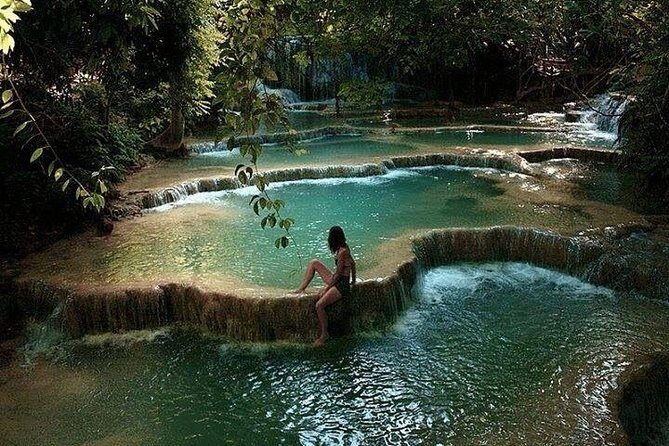
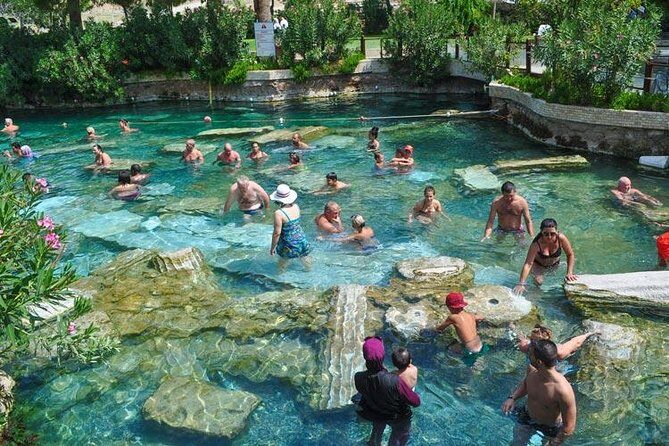
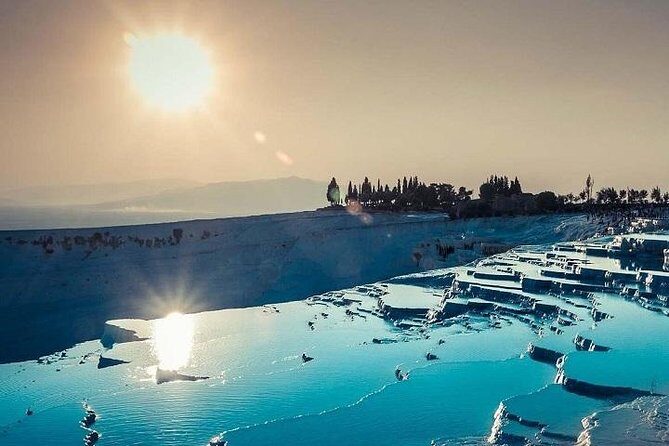
Pamukkale is often called the Cotton Castle, and once you see the mineral-white terraces, the nickname makes sense. On this day you get serious time at the thermal pools, including a swim in the hot springs and the chance to enjoy Cleopatra’s pool. That soaking time isn’t just fun—it helps you switch gears from travel-day energy into “I’m here” mode.
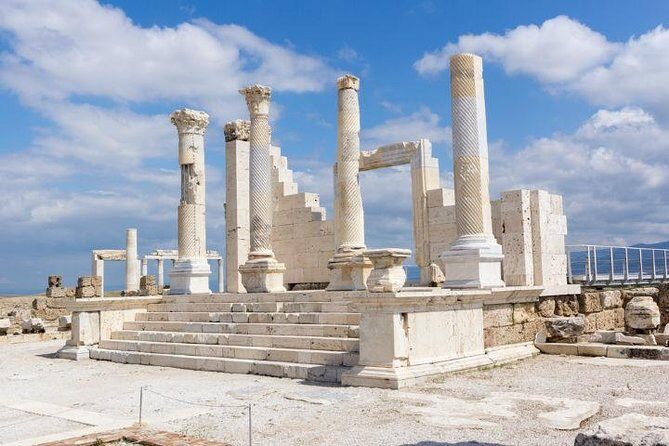
Then you move into Hierapolis, an ancient city that grew as a spa destination long before modern tourism. You’ll see how the area collected influence over time—pagan, Roman, Jewish, and Christian—so the ruins don’t feel like one uniform era. It’s more like a layered place where history stacked up the way the mineral terraces did.
You also hit several high-impact ruins:
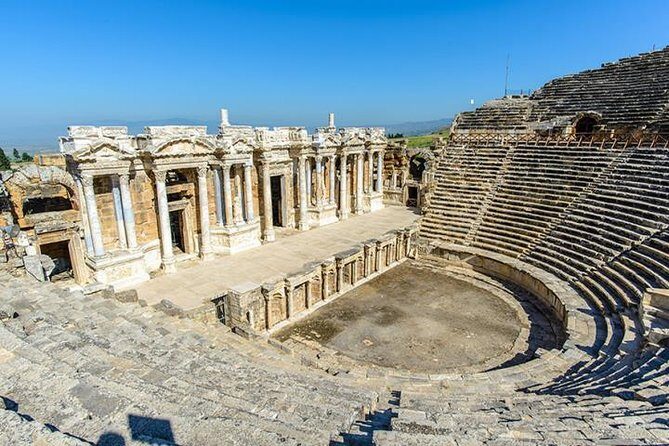
- The Hierapolis theater, known for seating up to 15,000 people. What you see today includes the steep passageways and aisles that lead down to the main stage area.
- A Byzantine church area connected to the gymnasium space from Roman times, where people came to socialize and watch athletes.
The practical takeaway: Pamukkale is built for walking around uneven stone and terraces. Wear shoes you trust. You’ll be glad you did when you’re moving between pools and ruins.
Day 2 Ephesus, Mary’s House, and the Temple of Artemis Pieces
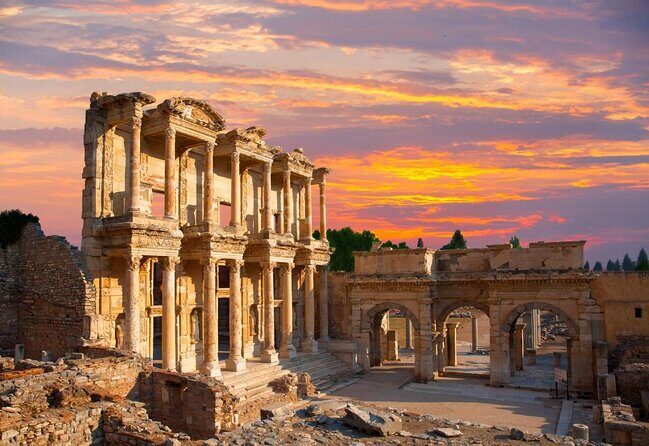
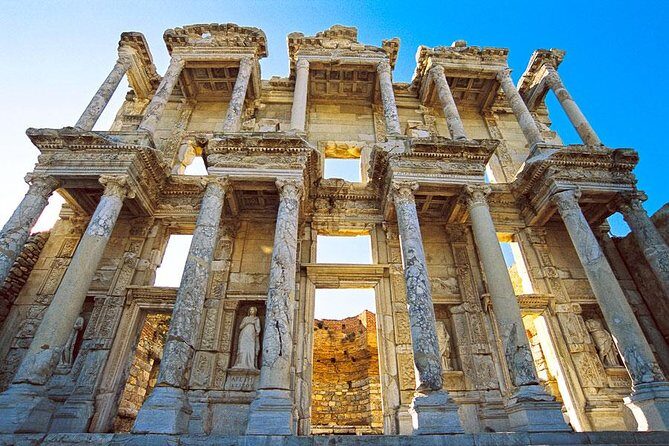
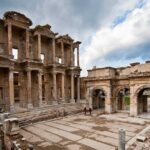
Ephesus is the kind of place where your brain starts asking questions like: How did so much life fit here? This tour gives you Ancient City of Ephesus time with a guide, and the scale is big—once home to over 200,000 people. It’s also described as the second largest ancient city in the ancient world, which helps explain why you can get mentally overwhelmed without context.
With guidance, you’ll get more than layout photos. You’ll understand why these ruins mattered, and you’ll get the story behind the stones. That matters because Ephesus is huge, and without explanations it’s easy to feel like you’re just walking from one landmark to another.
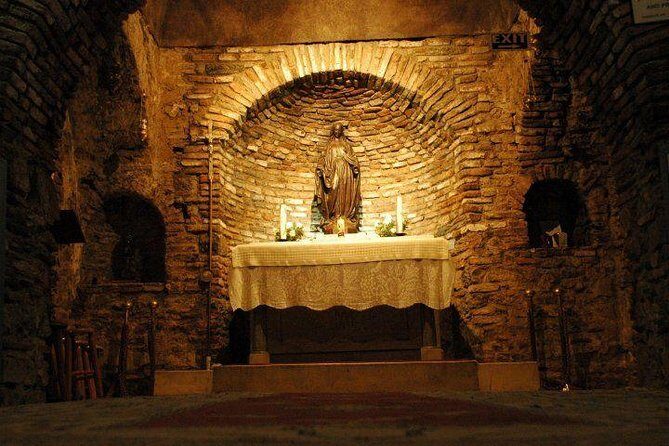
Next comes Meryemana (the Virgin Mary’s House) on BulBul Mountain overlooking Selcuk. This stop is especially powerful if you like pilgrimage sites or sacred geography—because the setting gives you that “quiet hillside” feeling, not just a building on a street corner. It’s a key Christian pilgrimage location in the region.
Then you see Temple of Artemis elements. The visit focuses on what remains—foundations and a few columns—because the full temple is gone. Still, knowing it dates back as far as the 6th century B.C. helps you picture what the grand original would have felt like.
You wrap Selçuk area architecture with Isa Bey Mosque, dated to 1374–1375. What I like here is the shift from ancient ruins into more “lived-in” medieval design. The mosque is known for beautiful Seljuk architecture, including crown-like doors and mosaics, so it’s a visual break after Ephesus.
Day 3 Uçhisar, Red Valley Hikes, and Cappadocia’s Human Pace
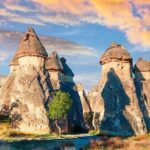
Cappadocia can move at two speeds: fast tour lines or slow, wandering discovery. This day leans toward the human pace, with several scenic stops and guided exploration moments that keep you moving but not sprinting.
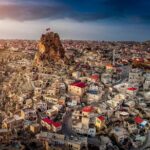
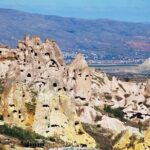
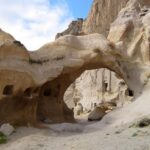
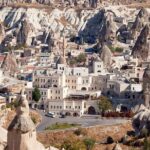
Start with Uçhisar Castle, a natural rock formation carved into volcanic rock. It served as a strategic defense point in ancient times, and now it’s all about wide views: the valleys and the famous fairy chimneys spread out around you. Even if you’ve seen Cappadocia images before, it hits differently from the higher ground.
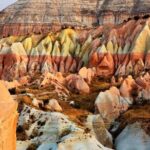
Then you walk Kızılçukur Valley (Red Valley) for about two hours. The rock formations and colors are the headline, especially around sunset. The route passes quiet trails, vineyards, and even rock-carved churches. If you’re the type who likes to read a place through small details—shapes, stone cuts, and changes in terrain—this is one of the best segments.
After that, you visit Çavuşin village, known for rock-carved houses and churches. The standout here is the Church of St. John the Baptist from the 5th century, including frescoes. This is one of those stops where the value comes from seeing how ordinary life sat beside ancient worship spaces.
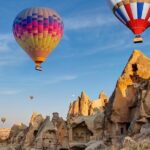
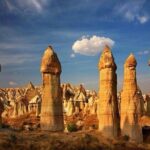
Next is Love Valley, near Göreme, with its unusual erosion-shaped “fairy chimney” forms and a calmer feel. It’s also a popular stop for people who take in the scenery from above, since the area is tied to hot air balloon rides—even if the balloon itself isn’t guaranteed as part of every trip.
Day 3 Derinkuyu Underground City and Pigeon Valley
If the Cappadocia surface feels like a giant set of stone sculptures, Derinkuyu Underground City reminds you humans built practical systems under it. This underground city is described as one of the largest and deepest in the region, with origins in the 8th–7th centuries BCE. It could house up to 20,000 people, along with livestock and supplies.
What you’ll likely appreciate most is the variety of spaces—living quarters, kitchens, chapels, storage areas—and the fact that there’s even a ventilation system mentioned. That detail alone makes the stop feel less like an underground maze and more like a functioning refuge.
After the underground cool-off, Pigeon Valley offers a softer tone. It’s named after pigeon houses carved into the volcanic rock. The tour info notes that droppings were used as fertilizer—useful, practical agriculture built into the landscape. You’ll get another scenic walk path with views and a connection trail between Göreme and Uçhisar.
Practical note: underground areas often mean cooler temperatures and uneven steps. Bring layers you can manage.
A few more Cappadocia & central Turkey tours and experiences worth a look

Day 4 Göreme Panorama, Open-Air Museum, and the Cappadocia Icons
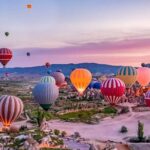
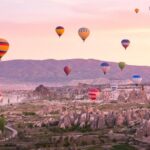
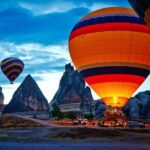
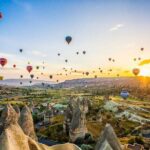
By Day 4, you’ve already seen enough fairy chimneys to want a “best-of” viewing moment. That’s where Göreme Panorama comes in. It’s a viewpoint with sweeping views of the valleys and the balloon-filled sky early in the morning. The tour info specifically calls out sunrise and sunset light—so if you’re a photography person, this is where you’ll want your camera ready.
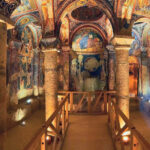
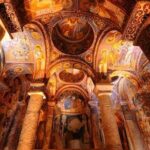
Then you visit Göreme Open-Air Museum, a UNESCO World Heritage Site. This complex includes rock-cut churches, chapels, monasteries, and living quarters with frescoes dating to the 10th–12th centuries. The stop is focused on monastic life—people seeking refuge and spiritual quiet in the rock.
Key buildings highlighted include:
- Dark Church
- Apple Church
- Snake Church
Each of these gets recognized for its fresco styles and distinctive interiors. Even if your personal interest is more scenery than religious art, the scale of the carved spaces makes it worth it.
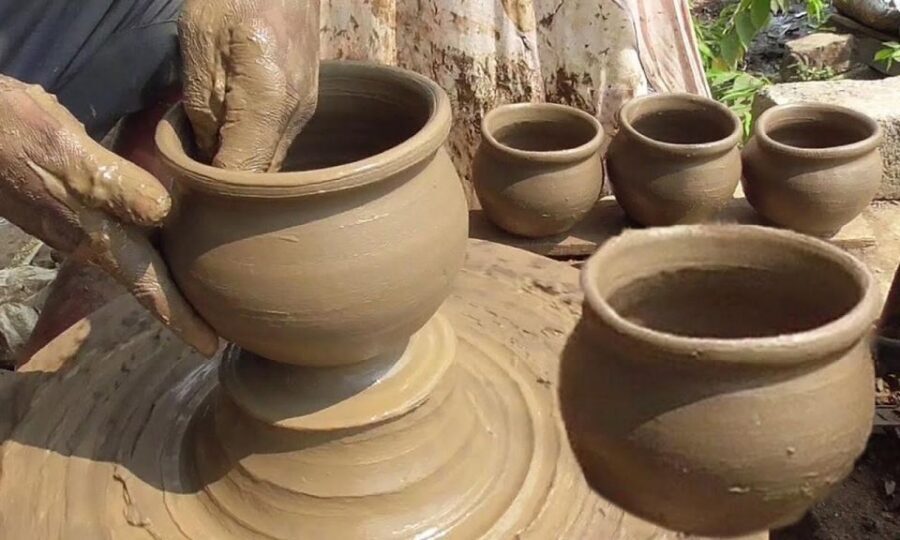
After Göreme, you head into a more craft-focused stretch with Avanos, a town on the Kızılırmak River known for pottery. The tour info ties the ceramics tradition back to the Hittite period, and it notes that the red clay comes from the river. You may see workshops and artisans working, and the town gives you a different kind of break from ruins.
Finishing Cappadocia: Devrent, Paşabağları, and Three Beauties
Cappadocia’s valleys can feel like they were designed for imagination. Devrent Valley, also called Imagination Valley, is known for whimsical rock forms that resemble animals and objects. Unlike some other valleys, the info says it has no churches or caves—so it’s pure natural shapes and photo opportunities.
Next is Paşabağları (Monk’s Valley), famous for fairy chimneys with mushroom-like shapes. The stop includes the idea that monks used some of these formations for solitude and worship during the Byzantine period. This gives the valley a slightly different emotional tone than the hiking spots: less adventure-skyline, more quiet reverence.
You finish with Three Beauties (Uç Güzeller), a viewpoint over Ürgüp. The tour info mentions wine factories, vineyards, and apricot gardens—so you get a sense that Cappadocia isn’t only stones and churches. It’s also a working agricultural region with crafts and production happening alongside the tourist sights.
Price and What You Actually Get for $1,500
At $1,500 per person, this isn’t a budget “hop on a bus” tour. But when you break down what’s included, the price starts to look more like a package deal for convenience and coverage:
- Round-trip flights with taxes
- All airport transfers
- A 2-day small group tour with guide, transportation, lunch, and entrance fees (where applicable on the stops)
- One-night hotel in Kuşadası with breakfast by the sea
- Breakfast (3) and lunches (4)
- Pickup from hotels and apart hotels
- Mobile ticket
- English-language guiding
Dinner is not included, which is common. Still, it helps you keep evening freedom for a local meal instead of being tied to one schedule.
If you’re the type who wants to do Pamukkale and Ephesus plus Cappadocia but doesn’t want to plan the logistics, the value here is the orchestration. You’re paying to remove the coordination headache and compress the trip into four days.
Small-Group Touring, Pickup, and Your Guide’s Role
This tour caps at 15 travelers, and that size matters. Smaller groups usually mean quicker adjustments—if someone needs a slower pace, or if you want to spend a little extra time at a viewpoint, the day can bend a bit more than it would in a 30+ person crowd.
Pickup is offered from hotels and apart hotels, which is a big deal in Turkey where “meeting points” can become a scavenger hunt. The info also notes all airport transfers, and that’s a stress-saver on both arrival and departure days.
The tour info also emphasizes English guiding. The written reviews you provided point to guides who explain monuments clearly and provide supportive, story-based commentary—especially in history-heavy spots like Ephesus and Hierapolis. That kind of explanation is what turns ruins into meaning, not just scenery.
Practical Tips That Make This Tour Feel Easier
Cappadocia and Pamukkale both mean sun and stone. Even when the tour includes stops and timing, you’ll still want to prepare like you’re moving all day.
A few smart moves:
- Wear supportive shoes for terraces and uneven rock paths (your feet will be your limiting factor).
- Bring a light layer for early morning or cooler shade—especially around viewpoints and underground stops.
- If you care about photos at sunrise or sunset (Göreme Panorama is called out for this), plan your timing mindset. Morning can start early in real life.
- Know that the experience requires good weather. If conditions are poor, you may be offered a different date or a refund, so don’t lock in other tight plans.
And one bonus thought: hot air balloons are part of the Cappadocia identity. Your tour includes many ground stops with balloon context, and some people add a balloon ride separately. If you’re a balloon person, it’s worth checking options based on your exact travel dates.
Should You Book This Pamukkale, Ephesus, and Cappadocia Tour?
I think this is a strong choice if you want:
- Three regions, four days, guided and organized
- A small group experience with real explanations
- Time in Pamukkale’s thermal pools and a mix of walks and viewpoints in Cappadocia
I’d hesitate if you want:
- A super relaxed pace with lots of free afternoons
- Deep time in only one region (like staying longer in Cappadocia or doing a second full day in Ephesus)
In short: if you’re building a first Turkey highlight trip and you like the idea of trading planning time for guided time, this package fits well.
FAQ
What’s included in the tour price?
The price includes round-trip flight tickets with all taxes, all airport transfers, a one-night hotel in Kuşadası with breakfast by the sea, 2 days of small group touring with lunch, a guide, transportation, and entrance fees where applicable, plus 3 breakfasts and 4 lunches. Dinner is not included.
Do I get pickup from my hotel?
Yes. The tour offers hotel pickup from hotels and apart hotels.
Is the tour guided in English?
Yes. The tour is offered in English.
How big is the group?
This experience has a maximum of 15 travelers.
Are tickets and entrance fees covered?
Yes. Admission tickets are included for many stops (and some stops are listed as free). In general, entrance fees are handled as part of the tour inclusions.
What happens if the weather is poor?
The experience requires good weather. If it is canceled due to poor weather, you’ll be offered a different date or a full refund. You can cancel up to 6 days in advance for a full refund, with smaller refunds for cancellations closer to the start time.