REVIEW · ISTANBUL
4-Night Cappadocia Tour from Istanbul Including Flights and Istanbul Sightseeing Tour
Book on Viator →Operated by City of Sultans · Bookable on Viator
Two cities, one tidy plan. You’ll move from Istanbul’s Byzantine and Ottoman icons to Cappadocia’s volcanic valleys and underground cities, with hotels and internal flights handled. I especially liked the small-group feel and the mix of guided stops plus free time in places like the Grand Bazaar. One thing to watch: museum and site entrance fees aren’t consistently included, so you’ll want extra cash for tickets not marked as included.
If you like a trip that feels organized but not rushed, this one hits the mark. You get four hotel nights in “Ottoman-style” S-Class comfort in Istanbul, then switch to an S-Class cave hotel in Cappadocia, plus breakfast and a couple lunches. The overall pacing also works well if you’re willing to get moving in the mornings—there’s a 6am pickup noted for Day 3.
In This Review
- Key things I’d focus on before you book
- Price and Logistics: what $1,299 really buys
- Ottoman Istanbul Day: Hagia Sophia to the Blue Mosque to Topkapi
- The Grand Bazaar break: shopping time without losing the plot
- The Fly-Over Day to Cappadocia: why the switch matters
- Devrent Valley and Pasabag: spotting shapes in fairy chimneys
- Avanos pottery town: when the day gets human-scale
- Göreme Open-Air Museum area: cave churches and the 11th-century story
- Uchisar: the best “panorama reward” stop
- Red Valley, Cavusin, and Pigeon Valley: a full day of rock textures
- Derinkuyu Underground City: going below the world
- Ottoman-style hotels and S-Class cave comfort
- Small-group pacing: how guidance shapes your day
- Hot air balloon upgrade on Day 4: the right kind of optional
- Tickets and meals: a simple budget reality check
- Who should book this Istanbul plus Cappadocia blend?
- Should you book this 4-night Cappadocia tour from Istanbul?
- FAQ
- How long is the tour?
- How many nights of accommodation are included?
- Are domestic flights included?
- What sightseeing is included in Istanbul?
- What sightseeing is included in Cappadocia?
- Are meals included?
- Is a hot air balloon ride included?
- How big is the group?
- Do I need to provide passport details?
- Can I cancel for a full refund?
Key things I’d focus on before you book
- Flights + hotels are built in: Istanbul to Cappadocia and back, with 4 nights lodging covered.
- Small-group size: capped at up to 16 travelers, and described as limited to 12 for a more personal pace.
- Big-name Istanbul sights: Hagia Sophia area, Blue Mosque, Hippodrome, Topkapi, and the Grand Bazaar.
- Cappadocia classics in two days: fairy-chimney valleys, Göreme Open-Air Museum area, and Derinkuyu Underground City.
- Theme-matching lodging: Ottoman-style hotels in Istanbul and a S-Class cave stay in Cappadocia.
- Hot air balloon is optional: an upgrade for a dawn ride over Cappadocia on Day 4.
Price and Logistics: what $1,299 really buys
At $1,299 per person for a roughly 5-day trip, the value comes from the “heavy lifting.” You’re paying for four hotel nights in two different regions, plus round-trip internal flights between Istanbul and Cappadocia. You also get airport/transfer support and guided sightseeing days that connect a lot of famous stops without you having to route everything yourself.
Where the cost can feel different is entrances. The tour notes that entrance fees for museums and sites aren’t included overall. At the same time, some specific stops in the plan do list admission as included or free (for example, the Blue Mosque is marked included, and the Grand Bazaar is marked free). So you should budget for tickets you may still need, especially for major museums where the itinerary lists admission as not included.
Finally, this is a moderate-activity trip. Cappadocia includes valleys, viewpoints, and time underground at Derinkuyu. If you’re comfortable walking uneven paths and stairs, you’ll be fine.
Other Cappadocia Tours from Istanbul reviews in Cappadocia & central Turkey
Ottoman Istanbul Day: Hagia Sophia to the Blue Mosque to Topkapi
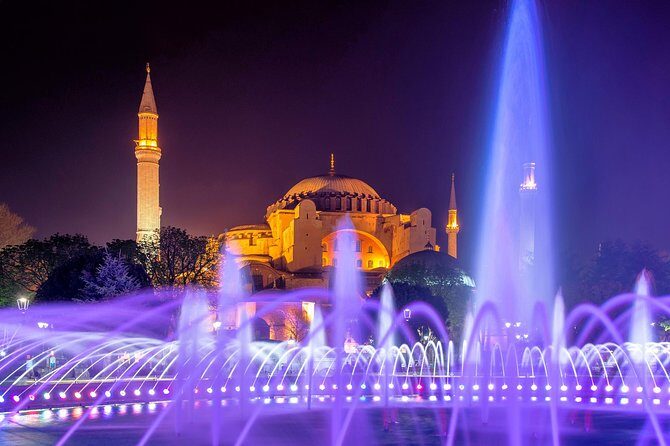
This Istanbul day is all about “see the headline landmarks” energy, with enough structure that you can focus on the sights instead of planning. You start with the Hagia Sophia area. Even if you don’t go inside, it’s the kind of building you understand immediately: massive scale, serious history, and the feeling that you’re standing in one of the world’s major crossroads.
Next comes the Blue Mosque, which is marked with admission included. That matters because it removes one of the common friction points on group tours: waiting or paying separately for tickets. Plan to slow down here. The mosque isn’t just pretty from outside; you want a moment to watch how the light hits the interior details.
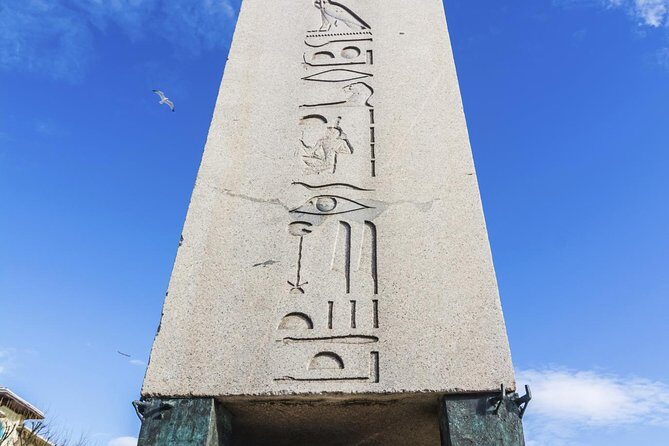
You also visit the Hippodrome, where you’ll see relics tied to Constantinople’s political and sports culture—things like an Egyptian obelisk and a serpent column. Even in a short stop, it helps you connect the city’s layers, because these aren’t random monuments. They’re tied to how power displayed itself in public.
Then there’s Topkapi Palace. Admission is marked not included, so you’ll likely pay separately if you want inside time. This is one of those visits where a ticket is worth it, but the timing depends on your interests. If you like imperial collections and palace rooms, build time. If you prefer open air and photos, you may want to keep expectations flexible.
The Grand Bazaar break: shopping time without losing the plot
The Grand Bazaar stop is marked free, and that’s a real benefit in a tour packed with paid attractions. It’s also the kind of place where you can choose your own level of involvement. You might do a quick route for atmosphere and photos, or you might spend real time looking at carpets, jewelry, leather goods, and small souvenirs.
Practical tip: expect a dense crowd and lots of side alleys. A group schedule helps, but you’ll still want a mental strategy—wander with purpose for 30 to 60 minutes, or you’ll keep walking without deciding what you came for.
If you don’t shop, it’s still useful. The bazaar is a live example of how Istanbul commerce and craft still work, not just a museum stop.
The Fly-Over Day to Cappadocia: why the switch matters
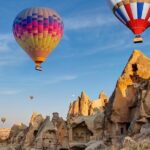
After Istanbul, you fly to Cappadocia, and that contrast is the whole point of the trip. Istanbul’s story is human-built stone and layered empires. Cappadocia’s story is geological—volcanic cones, weather-carved fairy chimneys, and rock formations shaped by time.
This part of the tour helps you avoid the common mistake of “just seeing pictures.” When you arrive, you can immediately tell why people describe the region as otherworldly. It’s not a theme park look. It’s a real valley system where the environment is the main character.
Devrent Valley and Pasabag: spotting shapes in fairy chimneys
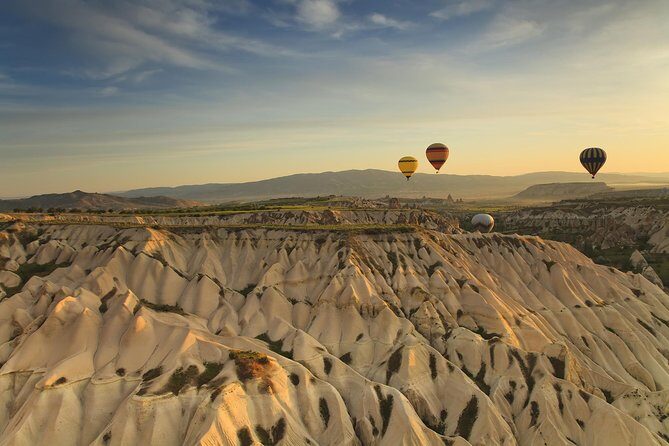
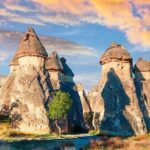
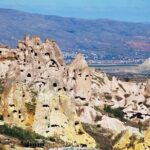
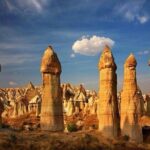
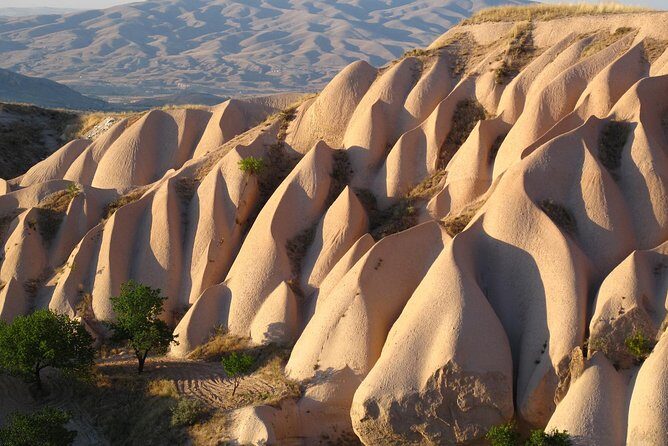
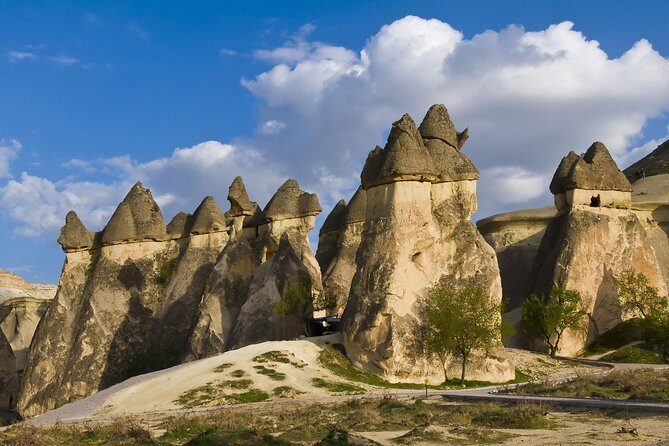
Your first Cappadocia day focuses on formations that make the region famous. Devrent Valley is the stop for fairy chimneys, and it’s the kind of place where your brain starts playing “spot the animal” with the rock shapes. Even if you don’t buy into every interpretation, it’s still a great way to see how the landscape eroded and why the cones look the way they do.
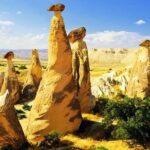
Then Pasabag brings you the mushroom-shaped pinnacles. This is one of those stops where you’ll get different views from different angles. If you take photos, walk a few minutes beyond the exact first viewpoint and look back at what you already photographed. The best angles usually come after you’ve climbed slightly or changed position.
Other evening experiences in Istanbul

Avanos pottery town: when the day gets human-scale
Avanos is a helpful break from pure rock watching. It’s known for pottery and also for traditional crafts like silk and weaving, plus agriculture in the area. Even if you don’t do a workshop, the value of this stop is that it adds context: Cappadocia isn’t only about natural formations and cave churches. People built livelihoods around these valleys for generations.
If you’re the kind of traveler who gets restless on back-to-back viewpoints, Avanos is a good reset. You’ll likely feel more connected to daily life here than you would from just standing in one valley.
Göreme Open-Air Museum area: cave churches and the 11th-century story
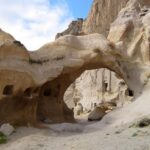
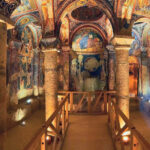
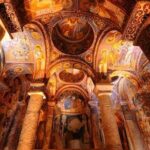
Next comes Göreme National Park, which is tied to the UNESCO-listed open-air museum area and early Christian cave churches. The tour description points out that cave churches were built by early Christians in the 11th century to protect faith and daily life within the rock.
This is where you stop seeing Cappadocia as only geology and start seeing it as a human survival strategy. The frescoed chapels are the visual payoff, and they also help explain why so many structures are carved into soft rock.
What to plan for: cave churches usually mean uneven ground, steps, and time spent moving between small spaces. It’s not a marathon, but pace matters. If you want photos, start early in the stop so you’re not stuck waiting in bottlenecks.
Uchisar: the best “panorama reward” stop
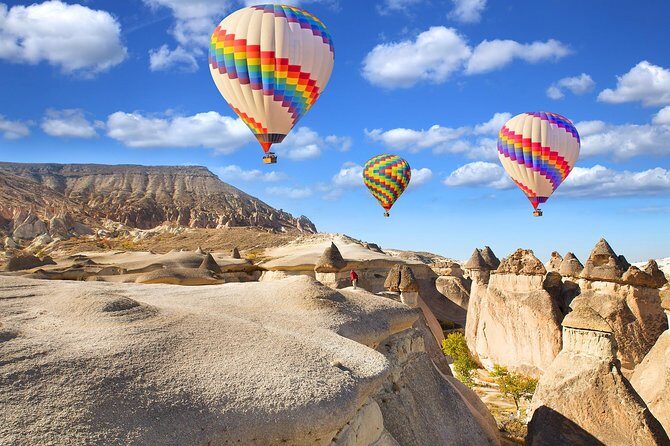
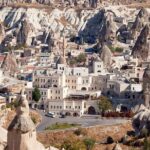
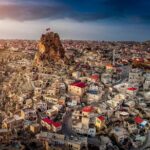
Uchisar is a viewpoint village where the rock formations become natural forts. The stop is positioned for panoramic views, and the “castle” shape you can see from town is part of the charm.
This stop is valuable because it lets you look back over everything you’ve been seeing. After a full day of valleys and cones, a viewpoint puts the region into one frame. It also gives you time to breathe if the walking earlier felt nonstop.
Red Valley, Cavusin, and Pigeon Valley: a full day of rock textures
Day 4 keeps you in Cappadocia with three more formation-focused stops.
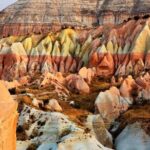
Red Valley is marked as famous for a strong collection of fairy chimneys. This is the day’s “photo-heavy” portion, and the colors can look dramatic depending on light. If you care about pictures, time your photos when the sun is hitting the rock. Early or late light usually helps.
Cavusin adds a slightly different feel. The description emphasizes a long valley with formations shaped over time and a “mystic ambiance.” In practical terms, it’s another chance to watch erosion patterns, but it also feels less like a single big landmark and more like a string of settings.
Then there’s Pigeon Valley, which is described as a great area for walking, trekking, and hiking. This stop is marked with admission included, but even if you don’t do a long hike, you’ll likely enjoy the open land and the natural rhythm of the valley. The key is footwear. Valleys mean uneven paths and slopes.
Derinkuyu Underground City: going below the world
The highlight on this day is Derinkuyu Underground City. It’s described as one of Cappadocia’s widest underground cities and part of a UNESCO World Heritage Site. The experience is fundamentally about scale: rooms and passages carved for survival, with the practical logic of a place designed to protect people.
You might not spend the whole visit deep underground, but even a portion is enough to change how you understand Cappadocia. The rock isn’t only for churches; it’s for hiding, storing, and living.
Drawback to consider: underground spaces can feel tight and dim. If you’re uncomfortable in enclosed areas, choose how long you go and take breaks when needed.
Ottoman-style hotels and S-Class cave comfort
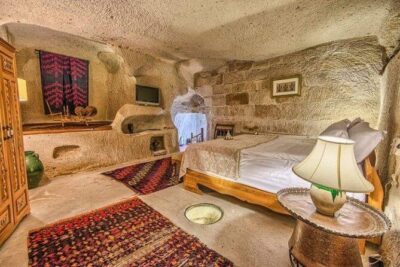
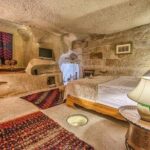
Where this tour really earns trust is lodging. You’re in Ottoman-style S-Class hotels for the first two nights in Istanbul, then you move into an S-Class cave hotel for two nights in Cappadocia.
Two things I like about this setup:
1) The change of lodging helps you feel the geography, not just see it.
2) Having hotels and key meals arranged keeps the trip smooth, especially when you’re traveling between cities and time is tight.
Breakfast is included four times, and lunches are included twice. That matters because it removes decision fatigue on days packed with sightseeing.
From what I’ve seen in this style of tour, S-Class cave hotels can vary by property layout. Expect real rock walls and a different kind of “cozy.” If you want standard hotel uniformity, this might feel unusual—but it’s also the point.
Small-group pacing: how guidance shapes your day
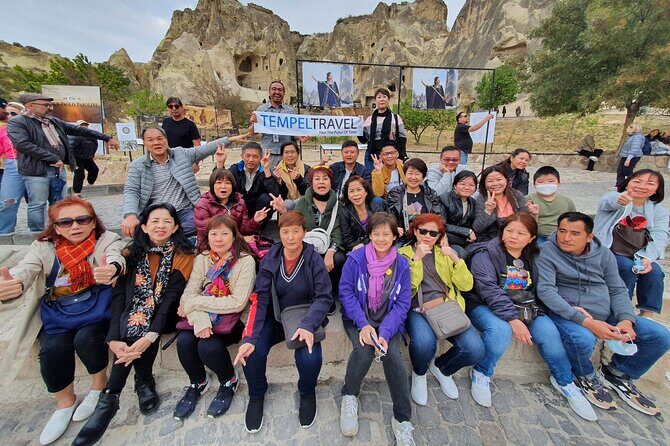
This is marketed as a small-group tour, limited to 12 people and also listed with a maximum of 16. That size range matters. You don’t get the feeling of being herded through stops, and your guide can adjust the flow more easily than in a huge bus group.
In Istanbul, one guide name that comes up is Hakan. If you happen to get him, that’s a strong sign for day-of flexibility and clear history explanations. The biggest practical benefit of a good guide here is simple: you get context fast, then you know where to look and what questions to ask.
Hot air balloon upgrade on Day 4: the right kind of optional
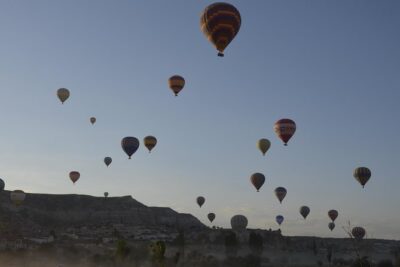
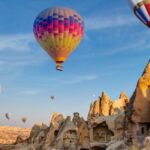
The tour offers an optional hot air balloon ride at dawn over Cappadocia, on Day 4. If you can do it, I think it’s the best use of an upgrade on this itinerary—because Cappadocia is basically made for a bird’s-eye view.
That said, balloon rides depend on morning conditions. Even if you’re fully booked, nature has the final vote. So treat it as a bonus, not the only reason to be there.
If balloon isn’t your thing, you still have plenty to do: valleys, viewpoints, and Derinkuyu in the same day.
Tickets and meals: a simple budget reality check
Here’s the budgeting mindset that keeps this trip easy:
- Breakfast is included four days.
- Lunch is included twice.
- Entrance fees aren’t broadly included, even if some specific stops show admission included/free.
That means you’ll likely pay for at least some of the bigger ticket items. The Istanbul day lists admission as not included for Hagia Sophia and Topkapi, while the Blue Mosque is listed as included and the Grand Bazaar is free. In Cappadocia, many formation stops show admission included, while Derinkuyu is listed as not included.
So: bring a little extra for entrances you care about most. If you’re strict with budgets, pick which inside experiences you’re willing to pay for, and treat the rest as exterior-and-views time.
Who should book this Istanbul plus Cappadocia blend?
This tour fits best if you:
- Want guided highlights in Istanbul and not a self-planned sprint
- Love geology and want real Cappadocia formations, not only one valley
- Are comfortable with some walking and a moderate physical fitness level
- Like the idea of staying in an Ottoman-style hotel in Istanbul and a cave hotel in Cappadocia
- Prefer a small group so you can ask questions and keep the day flexible
If you’re the type who wants total freedom every minute, this might feel structured. If you like structure that still leaves room to breathe, it’s a strong match.
Should you book this 4-night Cappadocia tour from Istanbul?
I’d book it if you want the “two icons” combo—Istanbul’s imperial monuments plus Cappadocia’s volcanic and underground wonders—with internal flights and lodging already handled. The value is in the logistics: four nights, transfers, and guided days packed with the major sights.
I’d think twice if you hate paying for entrances on the spot, or if underground spaces make you uncomfortable. Also, quality can swing by where you land for Istanbul hotels and meals, so it’s smart to choose this type of tour knowing you’re paying for convenience and overall structure, not luxury fine-tuning everywhere.
If you’re happy with that tradeoff, this is a practical, good-looking way to see Turkey’s two headline destinations in one smooth run.
FAQ
How long is the tour?
It’s a 5-day tour (approx.) with four nights of lodging.
How many nights of accommodation are included?
You get 4 nights of accommodation total.
Are domestic flights included?
Yes. The tour includes round-trip internal flights between Istanbul and Cappadocia.
What sightseeing is included in Istanbul?
You’ll visit Hagia Sophia area, the Blue Mosque, the Hippodrome, Topkapi Palace, and the Grand Bazaar.
What sightseeing is included in Cappadocia?
You’ll visit Devrent Valley, Pasabag, Avanos, Göreme National Park area, Uchisar, Red Valley, Cavusin, Pigeon Valley, and Derinkuyu Underground City.
Are meals included?
Breakfast is included 4 times, and lunch is included 2 times. Other select meals are also included as described.
Is a hot air balloon ride included?
A dawn hot air balloon ride is offered as an upgrade (optional), not included by default.
How big is the group?
It’s described as a small-group tour limited to 12 people, and the maximum is also listed as 16 travelers.
Do I need to provide passport details?
Yes. You’ll need passport name, number, expiry, and country for all participants at booking.
Can I cancel for a full refund?
Yes. Free cancellation is available if you cancel up to 24 hours in advance for a full refund.